
Charles Manson remains one of the most notorious criminal figures in American history, known for leading a cult-like group responsible for a series of brutal murders in 1969. Following his conviction, Manson spent nearly 50 years in the California prison system until his death in 2017.
The case began in the late 1960s when Manson formed what became known as the “Manson Family,” a group of followers who lived under his influence in California. Prosecutors later argued that Manson exercised psychological control over members of the group, directing them to carry out violent acts that would shock the nation.
In August 1969, members of the group carried out the murders of actress Sharon Tate and several others at a residence in Los Angeles. The following night, additional killings took place at another home, further intensifying national fear and media coverage. The brutality and randomness of the crimes led to one of the most widely publicized criminal trials of the era.
 In 1971, Manson was convicted of multiple counts of first-degree murder and conspiracy. He was sentenced to death, but after California temporarily abolished the death penalty in the early 1970s, his sentence was automatically commuted to life imprisonment.
Manson then entered the California prison system, where he remained incarcerated for decades. Over the years, he was housed in various correctional facilities, often under strict security conditions due to his notoriety and the continued public attention surrounding his crimes.
Like many high-profile inmates, Manson’s prison life was heavily regulated. His movements were controlled, contact with others was limited, and his daily routine followed strict institutional rules. He was repeatedly denied parole throughout his incarceration, with review boards citing the severity of his crimes and continued concerns about his behavior.
 During his time in prison, Manson became a symbol of extreme criminal manipulation and cult leadership. Researchers, journalists, and psychologists frequently studied his case to understand how he was able to influence followers to commit violent acts.
Despite claims and speculation about his mental state and behavior in prison, official records consistently show that he remained incarcerated under maximum security conditions until his death on November 19, 2017, at the age of 83.
The Manson case continues to be referenced in discussions about cult dynamics, psychological control, criminal responsibility, and the limits of rehabilitation. It also remains one of the most extensively studied murder cases in American history due to its cultural impact and the lasting public fascination with the crimes.
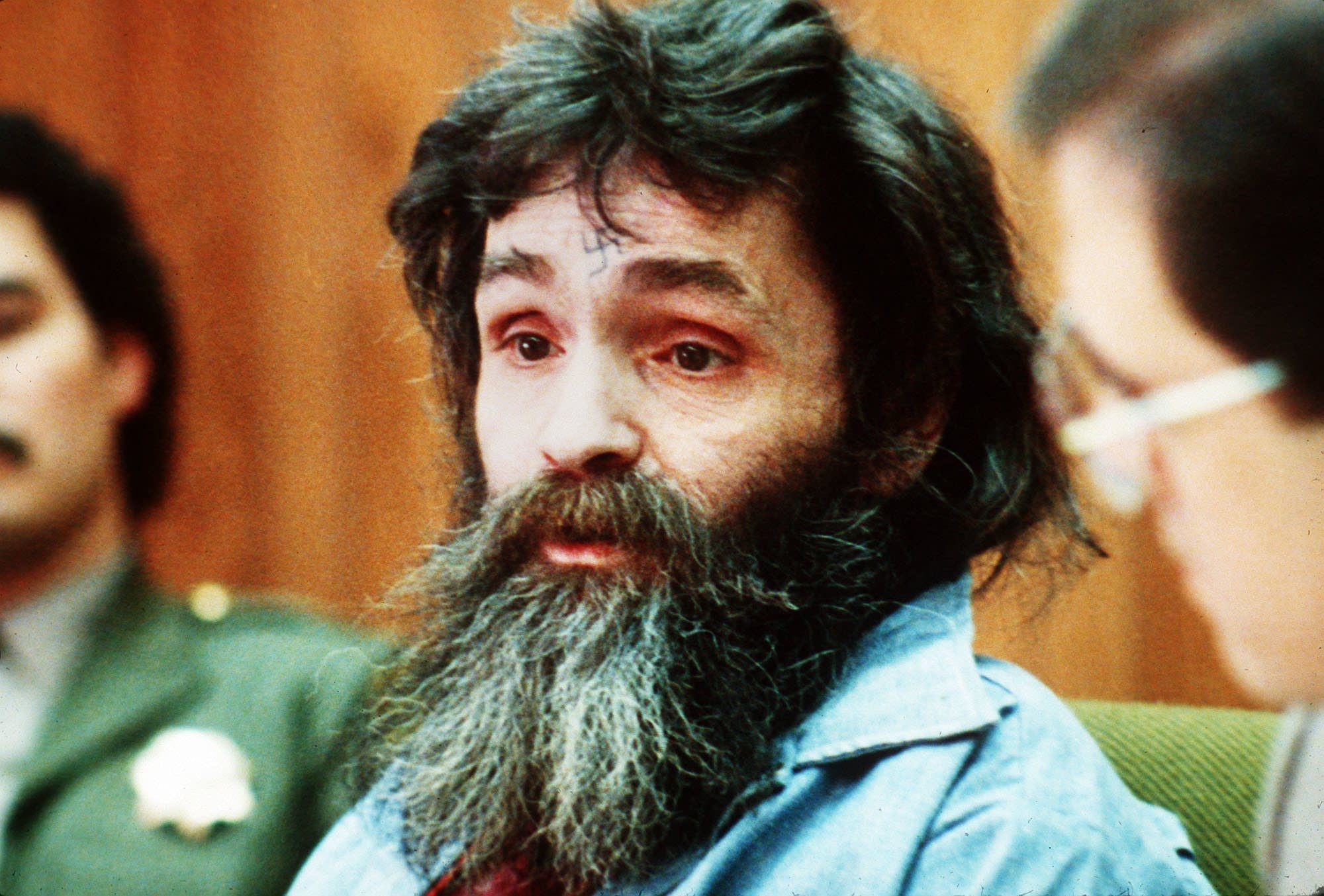 Today, Charles Manson’s prison life is often examined not because of what he did inside prison, but because of the lasting consequences of the crimes that led him there—crimes that reshaped American criminal justice history and popular culture.