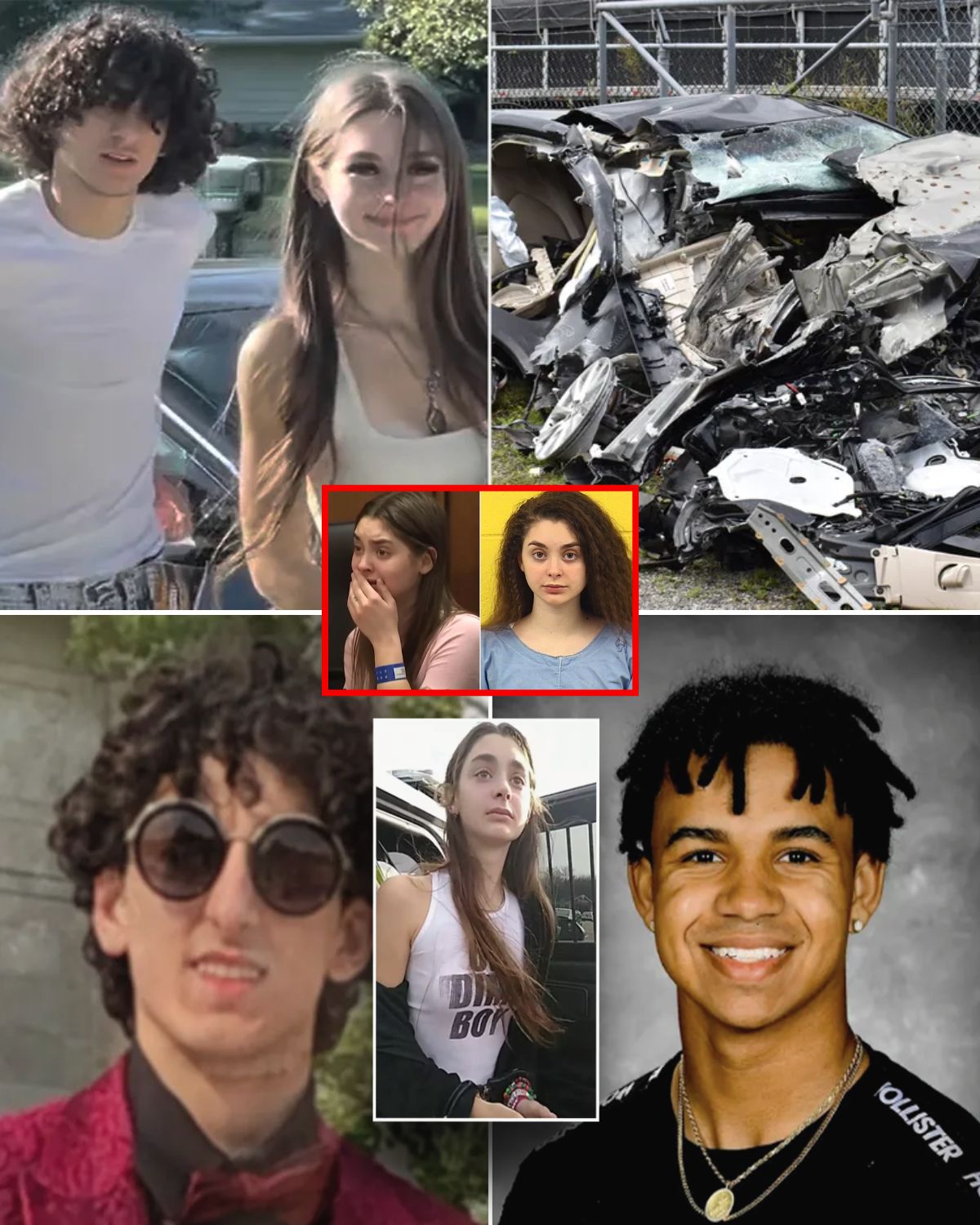
In the early morning hours of July 31, 2022, a violent crash on a quiet industrial road left two young men dead and a teenage driver fighting for her life.
At first glance, the wreck appeared to be a tragic accident—a devastating high-speed collision involving three young people returning home after a night out.
But as investigators examined surveillance footage, vehicle data, text messages, and witness statements, they began to question whether the crash was truly an accident at all.
What followed was one of the most controversial criminal cases in recent Ohio history, culminating in a judge’s decision to convict 17-year-old Mackenzie Shirilla of murder for intentionally driving her car into a commercial building at nearly 100 miles per hour.
The case would spark nationwide debate about intent, teenage relationships, mental health, and the line between reckless driving and murder.
A Night That Ended in Disaster
During the early morning of July 31, 2022, Mackenzie Shirilla was driving a Toyota Camry through Strongsville, a suburb southwest of Cleveland.
Inside the vehicle were her boyfriend, Dominic Russo, 20, and their friend, Davion Flanagan, 19.

The three had spent the evening together before beginning the drive home shortly before dawn.
At approximately 5:30 a.m., surveillance cameras captured the Camry traveling through the area and turning onto Progress Drive, an industrial roadway lined with warehouses and commercial buildings.
The footage would later become a critical piece of evidence.
According to investigators, Shirilla appeared to be driving normally before entering the road.
Then, within seconds, the vehicle accelerated dramatically.
The Final Seconds
Data recovered from the Toyota’s Event Data Recorder painted a chilling picture of what occurred next.

Prosecutors said the Camry accelerated rapidly, reaching approximately 100 miles per hour (160 kilometers per hour) on a roadway with a much lower speed limit.
The data showed that the accelerator pedal was pressed to the floor in the moments leading up to the collision.
Investigators found no evidence that the brakes had been applied before impact.
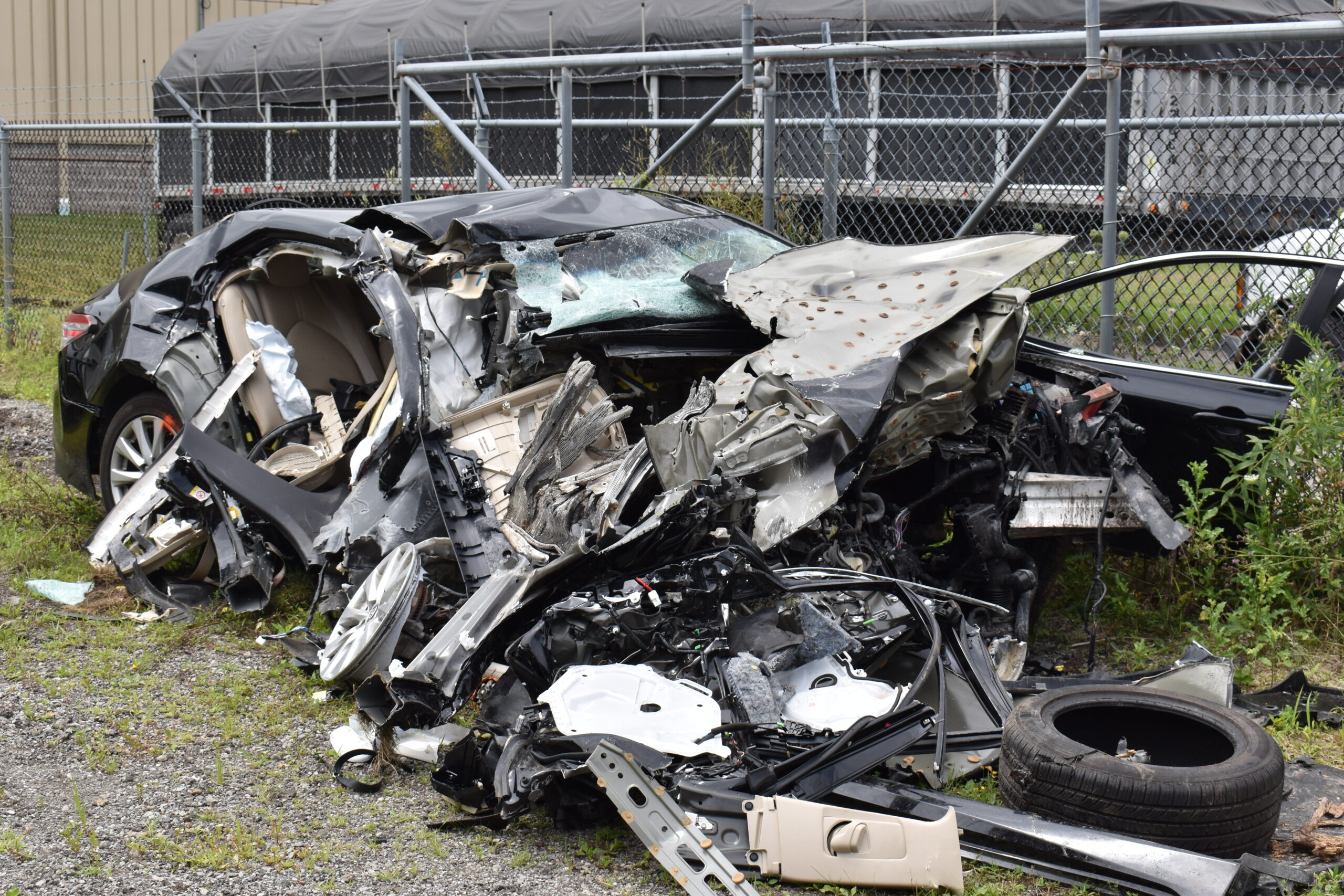
Seconds later, the vehicle left the roadway and slammed directly into a brick commercial building occupied by PLIDCO, a manufacturing company.
The force of the impact was catastrophic.
The car was nearly destroyed.
Dominic Russo and Davion Flanagan died from their injuries at the scene.
Shirilla survived but suffered serious injuries.
Initially, the crash appeared to be another tragic example of reckless driving.
However, investigators soon began to believe something far more disturbing had occurred.
From Fatal Crash to Murder Investigation
As detectives reconstructed the incident, they focused on whether the collision had been intentional.
The prosecution argued that the evidence pointed toward a deliberate act rather than a loss of control.
Investigators highlighted the absence of braking, the sustained acceleration, and the vehicle’s path toward the building.
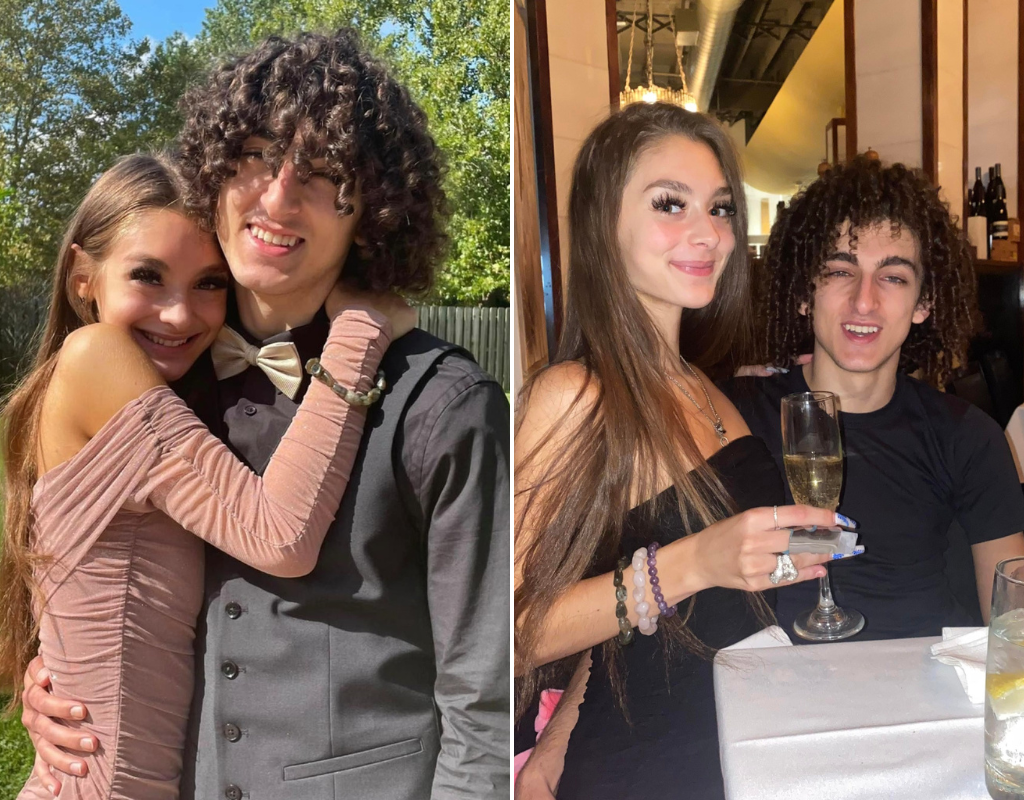
They also examined the relationship between Shirilla and Dominic Russo.
According to testimony presented during trial, the relationship had experienced significant turmoil in the weeks leading up to the crash.
Prosecutors introduced evidence suggesting that arguments and emotional conflicts had occurred between the couple.
The state argued that these tensions provided a possible motive for what they described as a deliberate act.
The defense strongly disputed that interpretation.
The Bench Trial
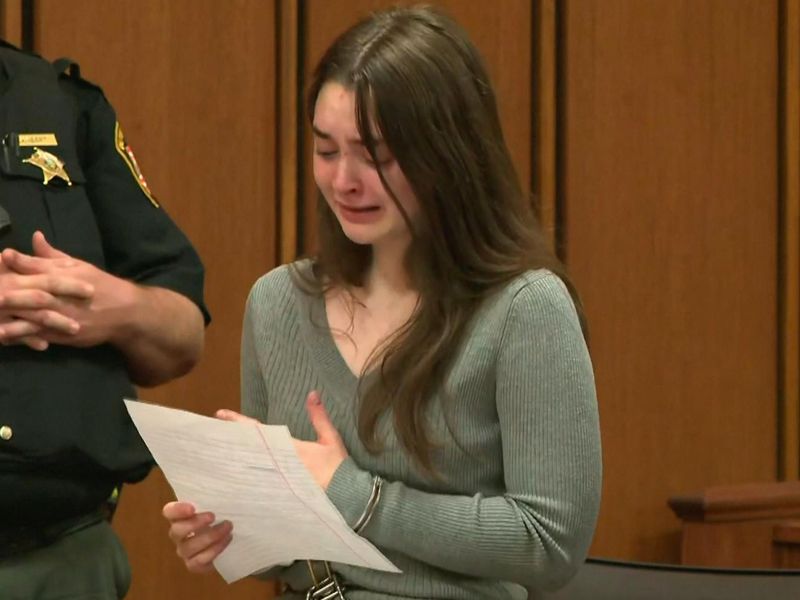
Because Mackenzie Shirilla chose a bench trial rather than a jury trial, the case was decided by Cuyahoga County Common Pleas Judge Nancy Margaret Russo.
Over several weeks, prosecutors presented surveillance footage, crash reconstruction evidence, digital records, and testimony from experts.
The state argued that Shirilla intentionally accelerated toward the building with the purpose of killing herself, Dominic Russo, and Davion Flanagan.
The prosecution characterized the crash as a deliberate act carried out with full awareness of the likely consequences.
Defense attorneys maintained that there was no direct evidence proving intent to kill.
Instead, they argued that the collision could have resulted from a medical emergency or loss of consciousness.
The POTS Defense
A central argument of the defense involved a medical condition known as Postural Orthostatic Tachycardia Syndrome (POTS), a disorder affecting heart rate and blood circulation.
Defense attorneys argued that Shirilla may have experienced a medical episode while driving, causing her to lose consciousness.
According to this theory, her foot could have remained on the accelerator as the vehicle continued forward uncontrolled.
The defense also emphasized that Shirilla suffered severe injuries herself and had no memory of the crash.
They argued that these facts were inconsistent with a carefully planned murder.
Prosecutors countered that the available evidence did not support a medical emergency and that the crash dynamics pointed toward intentional conduct.
Conviction and Sentencing
In August 2023, Judge Russo found Shirilla guilty on multiple counts, including murder.
In announcing the verdict, the judge concluded that the evidence established beyond a reasonable doubt that the collision had been intentional.
The court described the crash as a deliberate act rather than an accident.
Shirilla was subsequently sentenced to two concurrent terms of 15 years to life in prison, making her eligible for parole consideration after serving 15 years.
The ruling immediately drew national attention.
Supporters of the victims’ families viewed the conviction as justice for two young men whose lives had been cut short.
Others questioned whether the evidence truly proved intent beyond a reasonable doubt in a case with no confession, no eyewitness testimony of intent, and no surviving victim able to explain what happened.
Appeals and Ongoing Controversy
Following her conviction, Shirilla’s legal team challenged the verdict through the appellate courts.
They continued to argue that the evidence failed to establish intent and that alternative explanations—including a possible medical event—had not been adequately ruled out.
Ohio appellate judges ultimately upheld the murder convictions, finding sufficient evidence to support the trial court’s conclusions.
As a result, Shirilla remains incarcerated at the Ohio Reformatory for Women, where she is serving her sentence.
A Case That Divided the Nation
The Mackenzie Shirilla case remains one of the most debated criminal prosecutions involving a teenage defendant in recent years.
Unlike many homicide cases, there was no weapon, no confession, and no eyewitness account revealing a motive.
Instead, the case hinged largely on digital evidence, vehicle data, expert testimony, and the interpretation of a few terrifying seconds captured on surveillance video.
For the families of Dominic Russo and Davion Flanagan, the legal outcome brought a measure of accountability for the loss of two young lives.
For others, the case continues to raise difficult questions about intent, mental state, and how the criminal justice system should evaluate fatal crashes that may—or may not—have been deliberate.
What remains undisputed is the devastation left behind.
On a summer morning in Ohio, two young men lost their lives, one teenager lost her freedom, and a single crash forever altered the lives of everyone connected to it.