Ancient DNA — genetic material extracted from the remains of humans who lived thousands of years ago — allows scientists to track changes in the human genome over long stretches of time. Instead of relying solely on fossils and tools, researchers can now observe how specific gene variants rose or fell in frequency in past populations.
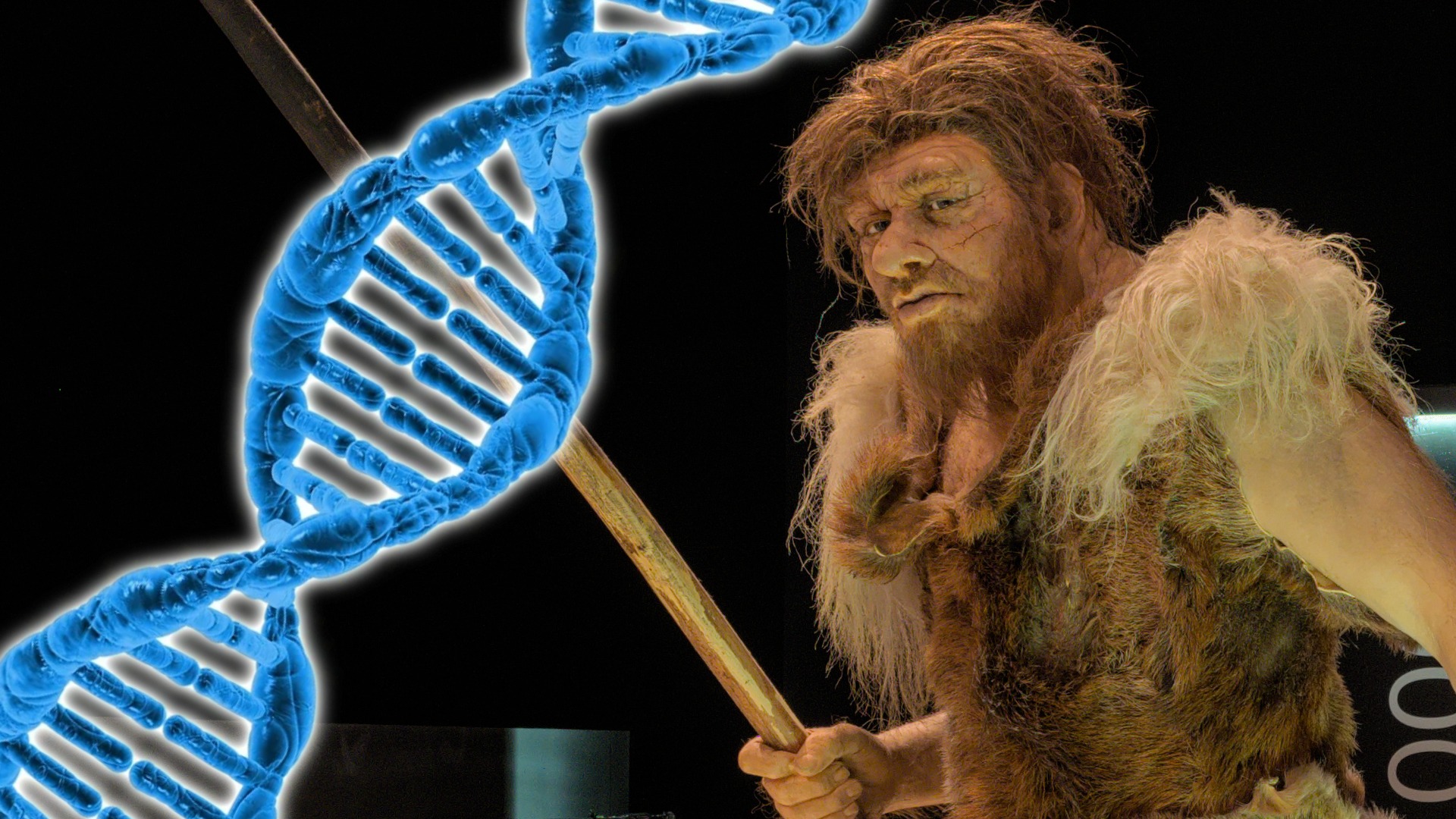
A large study of nearly 16,000 ancient genomes from West Eurasia found that natural selection acted on hundreds of genes in the last 10,000 years, many linked to traits such as immunity, metabolism, and physical characteristics. These results indicate that human genomes did not remain static after the end of the Ice Age; instead, they continued to evolve relatively quickly in response to changing environments, diets, and lifestyles.
This research also shows that human evolution was shaped strongly by lifestyle shifts such as the adoption of agriculture, which exposed communities to new diets and pathogens. These pressures could increase the prevalence of gene variants that helped individuals survive in those contexts, illustrating how adaptation continued on relatively short evolutionary timescales.
In addition to environmental adaptation, ancient DNA reveals complex population histories, including interbreeding with Neanderthals and Denisovans, which introduced genetic variants that persist in modern populations — for example, influencing immune function in people from Oceania.
Another intriguing finding from ancient genomes in southern Africa shows that some early human populations were isolated for tens of thousands of years, resulting in unique genetic variation not previously observed in modern groups. These discoveries highlight how diverse evolutionary pathways have contributed to present-day human biology.
While these insights underscore that evolution continued robustly in recent human history, scientists emphasize that this is an extension of natural selection processes — not evidence of sudden “alteration” outside evolutionary mechanisms. The genetic changes detected over millennia occur through gradual shifts in gene frequencies driven by environment, culture, and population dynamics.