Wyndham Clark Sparks Controversy Again as “Extremely Dodgy” U.S. Open Clip Goes Viral
Wyndham Clark’s second U.S. Open trophy was still glinting in the sunlight when a controversial clip began making the rounds online. Within hours, golf fans across social media were debating, dissecting, and arguing over a single practice swing—wondering if it crossed the fine line between course management and cheating.
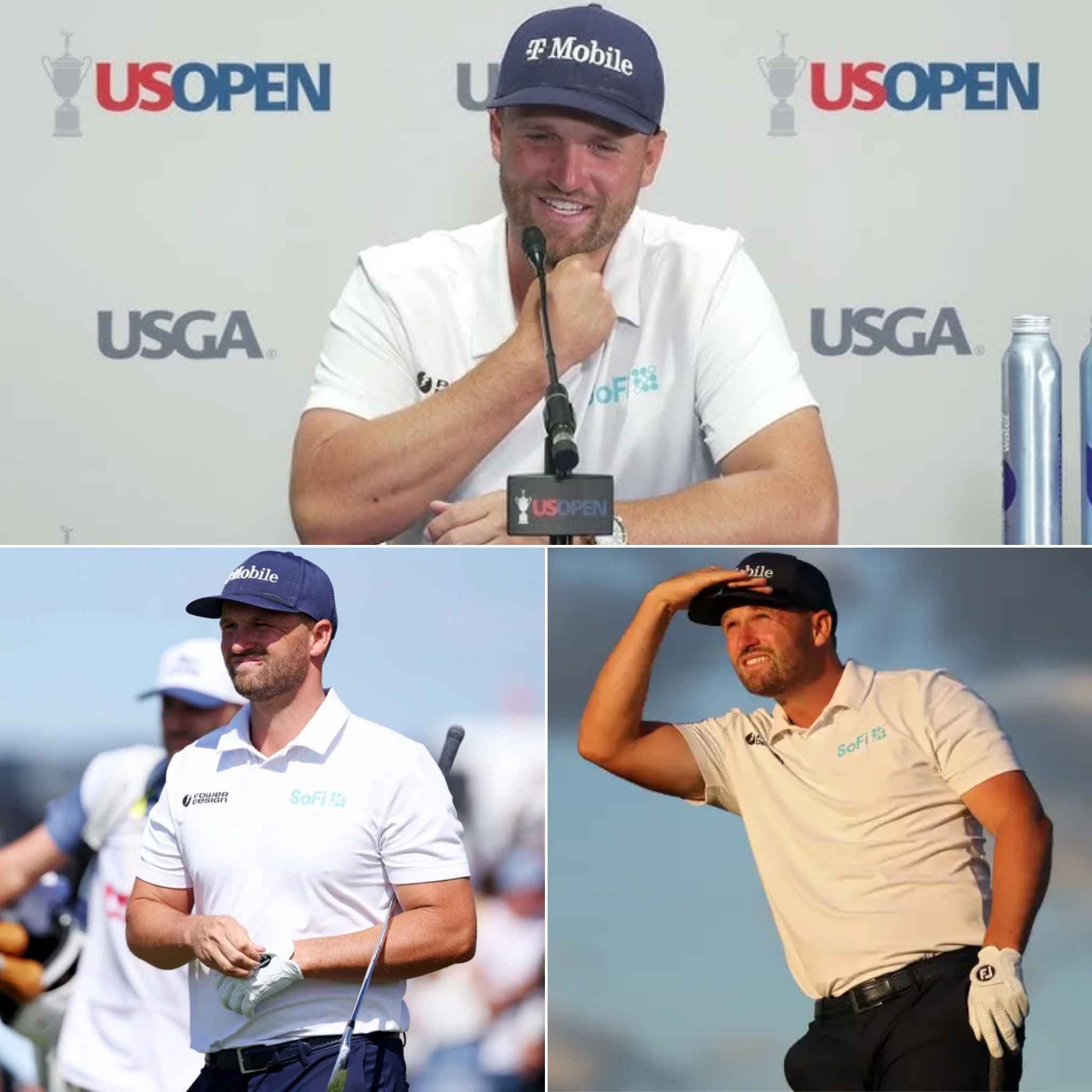
The clip, shared widely on June 22 by PGA Tour caddie Brent Henley on X, included footage of Clark rehearsing a swing in thick fescue rough during the championship. Accompanying commentary from Henley questioned the actions of the American star: “I think Wyndham Clark cheats here.”
The controversy centered on what appeared, to some viewers, as Clark testing the rough in a way that might have improved the lie of the ball. Henley’s post immediately divided the golf world: casual fans, professionals, and rules experts weighed in, each bringing their own interpretation of the moment and Clark’s intent.
What the Clip Shows
The footage shows Clark standing in dense, US Open-style fescue, taking a practice swing in the grass next to his ball. Then, he steps across to the other side and takes a second practice swing. Henley narrates the sequence with an incredulous tone, pointing out that Clark steps directly behind his ball and pats down the grass before addressing the actual shot.
The moment, brief as it is, became a flashpoint. Observers noted that Clark did not appear to move the ball during the practice swings, nor did his stance significantly change the lie of the ball. Still, Henley’s description—calling the behavior “extremely dodgy”—invited scrutiny.
According to Rule 8 of the official Rules of Golf, a player may not improve the lie, stance, or line of play. However, taking a practice swing to assess conditions is permitted. In Clark’s case, nothing in the circulating footage shows the ball moving or being tampered with—two key elements that would constitute a rules violation.

Context: A History of Scrutiny
Clark’s past controversies make such a clip particularly combustible. At the 2024 Arnold Palmer Invitational, he faced fan scrutiny when footage showed him pressing his club into thick rough on the 18th hole. Television viewers debated whether he had tamped down the grass to improve his lie. In that instance, Clark was cleared, but the optics lingered.
At the 2025 Arnold Palmer Invitational, Clark again faced evaluation when he took a free drop on the par-four third hole. Video review confirmed the ball bounced forward and spun back into its pitch mark—entitling him to free relief. That same year, Clark’s Oakmont locker room incident, where he smashed lockers after missing the cut, remained fresh in fans’ minds, further amplifying any scrutiny of his actions on the course.
This backdrop means that even routine behavior can become a topic of intense discussion. In a sport where optics are everything, past incidents often color public perception. Clark’s viral practice swing reignited debates not only about golf rules but also about fairness, reputation, and the power of social media to amplify minor moments.
Fans Split Over the Video
The reaction online was polarized. Some defended Clark, arguing that the practice swing was a normal method to gauge a challenging lie in punishing rough.
“He is taking a practice swing as every single golfer does. Would you want to know how much the fescue will impact your swing? People really are trying hard to discredit Wyndham!”
Others echoed this view, noting that players routinely step behind, around, or near their balls to test conditions without improving their lie.
“I’ve seen players make that move hundreds, if not thousands of times. Clark is just being thorough.”
A few fans went further, asserting that repeated viewing clears him rather than condemns him.
“Watch it a few times more, and you’ll see that it is NOT exactly where he steps. However, he can step behind his ball to test the ground, that’s allowed.”
Skeptics Remain Unconvinced
Meanwhile, some viewers insisted the clip suggested a pattern of “borderline” rule-bending. Several pointed to earlier incidents, such as the television tower moment on the 17th hole, as evidence that Clark occasionally tests the limits.
“It looked extremely dodgy to say the least, but unfortunately, the camera was not in a great position, so you shouldn’t comment one way or the other. However, if he is habitually bending the rules, someone will catch him eventually.”
Others compared Clark’s conduct to high-profile penalties in recent tournaments, noting the contrast between his behavior and others who have faced penalties, such as Joaquin Niemann’s two-stroke punishment for throwing a club.
“It’s okay if he cheats just don’t throw the club,” wrote one fan, reflecting a mix of humor and incredulity.
The commentary illustrates the fine line between perception and intent in professional golf. Even small gestures—like a practice swing—are subject to intense scrutiny when amplified by online video and commentary.
The Role of Social Media in Modern Golf Controversy
In the age of instant video and viral commentary, professional golfers are scrutinized more intensely than ever. A brief moment, which might have gone unnoticed in previous decades, now becomes a subject of widespread debate. Platforms like X, Instagram, and TikTok have created environments where optics often matter more than technical rules, and fans feel empowered to judge in real time.
Clark’s viral practice swing exemplifies this phenomenon. While officials confirmed no rules violation, the optics combined with Henley’s commentary sparked conversation worldwide. Online discussions ranged from supportive, analytical takes to dismissive or accusatory comments, reflecting the diverse perspectives of the golf community.
For Clark, navigating this environment requires both focus and resilience. He remains a top professional, but social media magnifies the consequences of each movement, each decision, and even each routine practice swing.
The Broader Debate: Fair Play vs. Perception
Clark’s situation raises broader questions about golf, fairness, and perception. Are fans holding him to a higher standard because of past incidents? Does a viral clip unfairly shape public opinion, even when no rules are broken? And how should officials balance enforcement of technical rules with the pressure of optics in a high-profile event?
Experts argue that these debates are not unique to Clark. Every elite player faces scrutiny over the smallest decisions, and social media accelerates both criticism and praise.
“The rules are clear,” a former PGA Tour official told Golf Digest. “What matters is intent and effect. Clark’s swing was allowed under the rules. But online, everyone sees what they want to see, and controversy is inevitable.”
Conclusion: Clark at the Center of Attention
Wyndham Clark’s viral practice swing may or may not represent a breach of etiquette or rule-bending, but it certainly underscores the heightened scrutiny professional golfers face today. With past controversies and a rapidly expanding digital audience, even routine course management can become headline news.
Whether Clark’s critics are right or wrong, the episode highlights the intersection of golf tradition, modern technology, and social media culture. Players today must navigate not only the challenges of the course but also the court of public opinion—where every swing is recorded, every gesture analyzed, and every move debated.
For Clark, it’s a reminder that winning a U.S. Open, no matter how impressive, doesn’t grant immunity from scrutiny. Every decision, no matter how minor, can become the center of a global conversation. And as fans, analysts, and fellow players weigh in, the debate continues: was it just a routine practice swing—or something more?
Clark’s own history has kept this kind of scrutiny close at hand.