Darlie Routier, one of Texas’s most infamous female death row inmates, remains on death row after nearly 30 years following her conviction for the 1996 murder of her 5-year-old son, Damon Routier. While no execution has yet been carried out, recent reports highlight the ongoing legal and procedural developments surrounding her case.
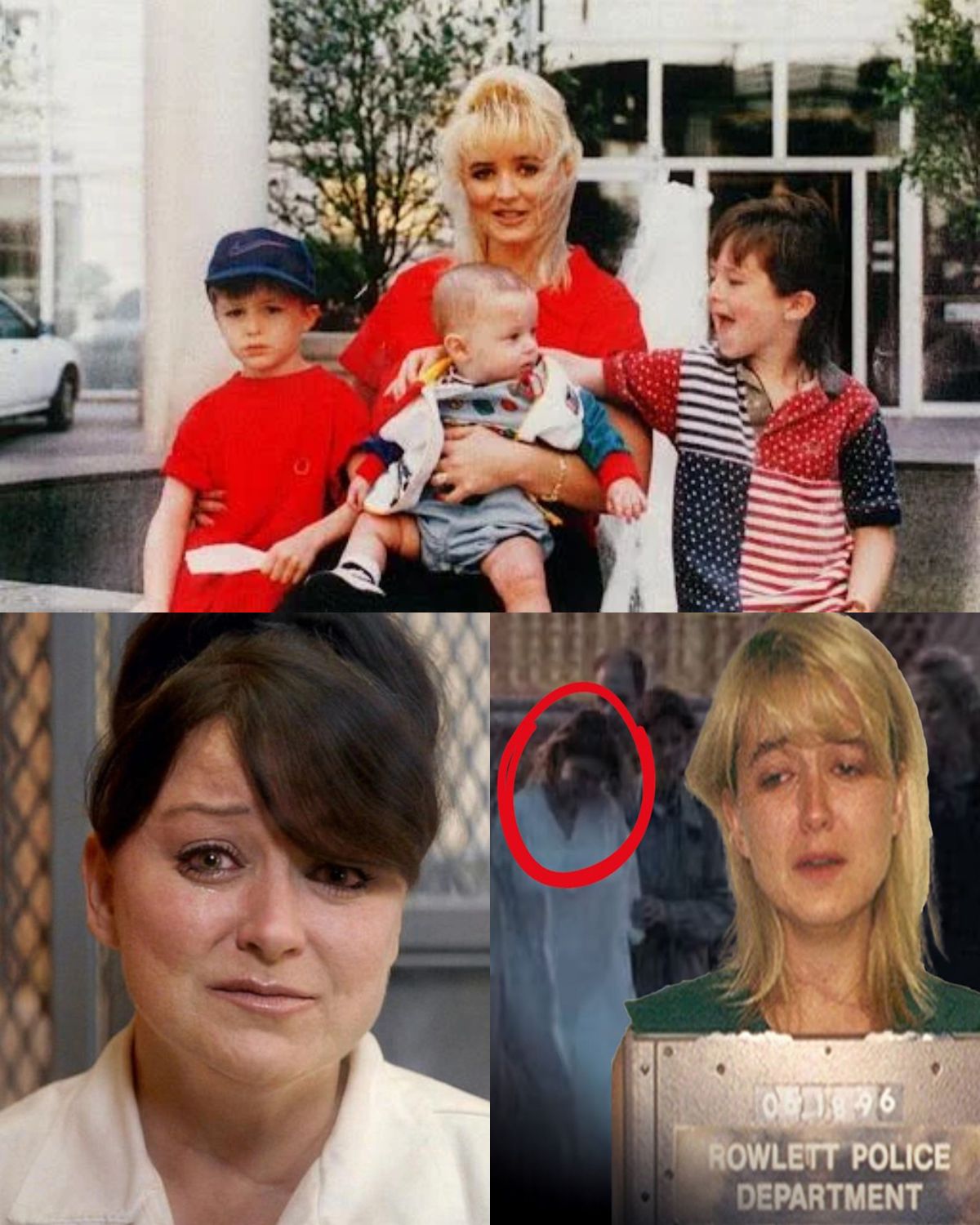
Case Background
Routier was convicted in 1997 for the murder of her son, who was killed alongside his brother Devon during an attack in their Rowlett, Texas home. The case drew national attention due to the shocking nature of the crime and Routier’s ongoing claims of innocence.
Legal Status and Appeals
Over the years, Routier has pursued multiple appeals, including a petition in 2018 for new DNA testing on evidence from the crime scene. Despite public interest and legal advocacy, the results have yet to be released as of 2026, keeping significant questions about her case unresolved.
Death Row Reality
Routier continues to live under strict confinement at the Mountain View Unit in Gatesville, Texas, where female death row inmates face isolation, limited contact, and highly regimented routines. The uncertainty surrounding her appeals and potential execution adds to the psychological toll of decades in prison.
Public Interest
Her case continues to captivate true-crime audiences and legal observers, in part because of the prolonged legal proceedings and the unresolved questions surrounding the DNA testing. Speculation about her final words or potential execution remains a topic of national attention.
Conclusion
For Darlie Routier, nearly 30 years after her conviction, the reality remains unchanged: life behind bars, unresolved forensic questions, and public fascination with one of Texas’s most infamous death row cases. Her story continues to raise questions about justice, appeals, and the treatment of female inmates sentenced to death.