“An Ongoing Question Mark”: Russell Henley Weighs In as PGA Tour Prepares Sweeping Two-Tier Overhaul
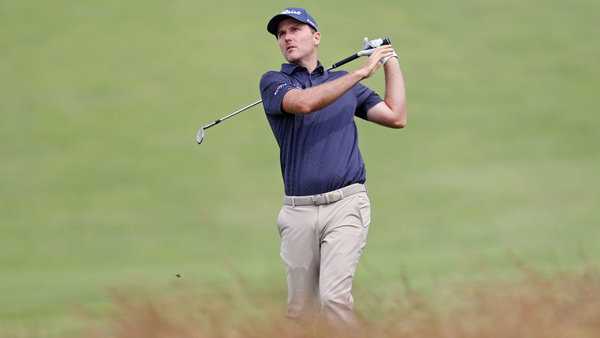
The PGA Tour is on the verge of its most significant structural change in decades. With the 2028 season set to introduce a dual-tier system—the Championship Series and the Challenger Series—questions of eligibility, promotion, and scheduling dominate the conversations of players, fans, and analysts alike. For Russell Henley, a six-time PGA Tour winner, the changes signal both opportunity and uncertainty.

Speaking on The Shotgun Start podcast during Travelers Championship week, Henley shared candid insight into his perspective on the overhaul. While he supports the tour’s vision in principle, he remains cautious about the details, particularly those affecting career veterans and players navigating transitional stages of their careers.
Henley’s First Impressions: Excitement With Caveats
“Yeah, I mean, I still haven’t had a second to sit down and look at the exact details,” Henley admitted on the podcast. “I feel like the schedule has been an ongoing question mark in terms of the signature events and where they should be on the calendar. Sometimes we’ve had them bunched around majors, and I think that’s just been a constant issue the Tour has been navigating.”
Henley’s reaction is not unusual for a player balancing a career at the top level with a desire for competitive fairness. At this point in his career, Henley prioritizes competing against the strongest fields as often as possible. The new structure promises that—but it also raises new unknowns.
“I would say my reaction at this point in my career is I want to play against the best players as much as I can, and I want to see how good I can get at this crazy game. It’s so hard, and I love the challenge of it. Anytime I can have more opportunities to do that, I’m excited about it,” he said.
The New Two-Tier System: Overview
Announced officially on June 23 at TPC River Highlands, the PGA Tour’s overhaul introduces two concurrent circuits:
- Championship Series: A premier circuit with 23–24 events, featuring the world’s top players. Each event carries a minimum purse of $20 million.
- Challenger Series: A secondary tour with at least 20 events, minimum $4 million purses, designed to provide a path for promotion into the Championship Series.
A formal promotion and relegation system connects the two. The top 90 players from the Championship Series retain their spots each season, while a minimum of 20 Challenger Series players earn promotion, based on points and performance.
“It’s designed to reward excellence, give fans a clear picture of the top-tier competition, and keep players motivated,” CEO Brian Rolapp said at the announcement alongside Tiger Woods.
Henley acknowledged that the plan is conceptually sound but noted that fine details, such as eligibility rules for past champions and the structure of the fall series, remain unresolved.
Promotion and Relegation: Lessons From Henley’s Career
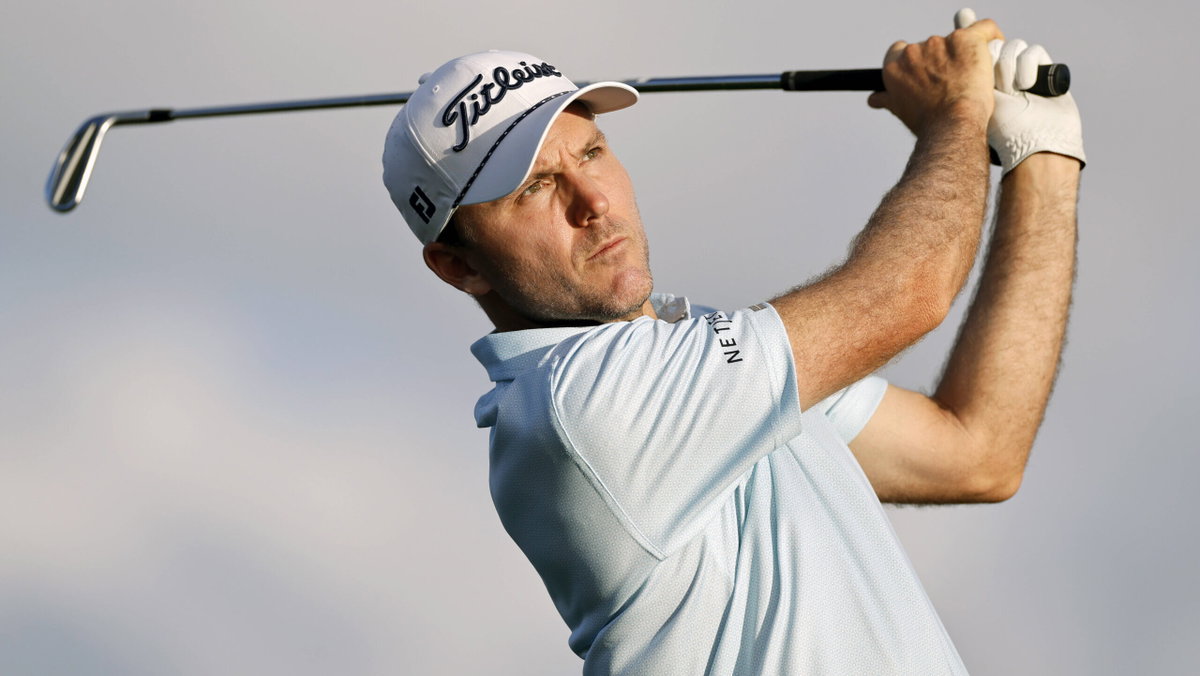
Henley drew on personal experience to explain why he believes a promotion system can work. He recalled his 2012 Korn Ferry Tour season, where he finished second in Kansas City but initially fell short of earning a PGA Tour card.
“That setback worked as motivation. I went on to win twice that year, at the Chiquita Classic and the Winn-Dixie Jacksonville Open, and then won my Tour debut at the Sony Open in Hawaii in 2013. That urgency you get from having to earn your spot? That’s exactly what promotion creates,” Henley said.
For younger players, a structured path from the Challenger Series into the Championship Series could simulate that pressure, ensuring that only those performing consistently earn their place at the top. Henley sees it as a mechanism to enhance competitiveness across the tour.
Where the System Still Leaves Questions
Despite his support, Henley was clear on two areas of concern:
- Past Winners’ Eligibility: How will previous victories factor into Championship Series access? Will major wins or prior PGA Tour victories carry automatic qualification, or must all players navigate through the points system?
- Fall Series Structure: Players who do not retain Championship Series eligibility are expected to compete in a “last chance” series. Henley flagged that the final number of events, purse structure, and qualification criteria remain unclear.
Rolapp acknowledged the ongoing work on these issues during a press conference:
“Those eligibility questions are still being finalized. We’re in the middle of answering them, and it would be premature to speculate at this stage.”
📸 Suggested image: Henley and other PGA Tour players walking together on the range, discussing strategy and schedule planning.
Peer Perspectives: Support With Reservations
While Henley’s reflections are nuanced, not all players share his cautious stance. Scottie Scheffler, World No. 1, expressed excitement about the new system:
“I’m excited about it. Playing good courses against the best players in the world—what more could you ask for? Sure, it’ll be harder to win, but the stakes are higher and the rewards are meaningful.”
Fresh off his U.S. Open victory, Wyndham Clark highlighted the clarity the new system provides for fans and players alike.
“It’s going to be easier for fans to understand. When you watch a PGA Tour Championship Series, you’ll see all the best players. I love the idea of relegation and promotion,” Clark said.
Even for players in mid-career, the message is consistent: the system aims to incentivize performance and ensure competitive integrity.
Implications for the Tour
The two-tier overhaul is set to reshape professional golf in multiple ways:
- Scheduling Flexibility: With clear tiers, players can better plan their schedules and rest periods, addressing longstanding complaints about fatigue and over-scheduling.
- Competitive Intensity: With fewer events for top-tier players and a promotion/relegation system, every tournament carries more significance.
- Fan Engagement: A tiered system provides clarity, letting spectators follow elite players consistently while also tracking up-and-coming talent.
- Financial Stakes: Championship Series events with $20 million purses ensure that top performers are rewarded accordingly, while Challenger Series events offer smaller but meaningful opportunities.
Henley sees the broader vision but emphasizes that success depends on execution.
“Conceptually, it’s great. But it’s all about how the details are finalized. Players want to compete at their best, fans want clarity, and sponsors want consistency. Until all the moving parts are in place, it’s an ongoing question mark.”
Looking Ahead: Player Strategy Under the New System
As players begin planning for 2028 and beyond, the new structure will likely influence tournament strategy and career decisions. For example:
- Selective Scheduling: Top players can prioritize Championship Series events while resting for majors, maintaining peak performance.
- Emerging Talent: Challenger Series competitors have a clear path to climb into the elite tier, creating high-stakes opportunities for young pros.
- Performance Pressure: Every shot in a Championship Series event carries greater weight, raising the bar for consistency and mental toughness.
Henley believes that while the system introduces uncertainty, it also fosters an environment where competitors are constantly challenged.
“It’s a bit of a shake-up, yes. But it’s exciting. Anyone who wants to measure themselves against the best will have to rise to the occasion every single week.”
Conclusion: A Balance of Optimism and Caution
Russell Henley’s reaction encapsulates the broader sentiment among PGA Tour professionals: support for innovation tempered by a need for clarity. The two-tier system promises to enhance competitiveness, reward consistency, and increase fan engagement, but unanswered questions remain regarding eligibility, fall series logistics, and the long-term impact on player careers.
For Henley, the excitement is personal and professional. He sees the potential for the system to push players to new heights while providing structure and motivation for all levels of competition. Yet, like many of his peers, he will wait for the fine print before fully endorsing the overhaul.
“I’m in favor of the direction, absolutely. But until I see the details, the eligibility rules, and how everything flows in practice, it’s an ongoing question mark. That’s just the reality,” Henley said.
As the 2026 Travelers Championship draws to a close, the Tour’s eyes remain fixed on the future. With Tiger Woods and other player leaders involved in shaping policy, and a new two-tier schedule set to launch in 2028, professional golf may soon enter one of its most transformative eras in decades. The coming months will determine how effectively the vision is realized—and how players like Russell Henley, Scottie Scheffler, and Wyndham Clark navigate this next chapter.
📸 Suggested image: PGA Tour press conference with Brian Rolapp, Tiger Woods, and player representatives discussing the 2028 overhaul.