In 2025, researchers at the Israel Antiquities Authority conducted a high-resolution re-scan of several fragments of the Dead Sea Scrolls using advanced multispectral imaging techniques. These scans aimed to capture faint ink traces, faded markings, and previously undetectable details without causing any damage to the fragile manuscripts. The Dead Sea Scrolls, discovered between 1947 and 1956 near Qumran, are among the most important ancient Jewish texts, offering unique insights into religious practices, scriptural interpretations, and daily life in the Second Temple period.
During the re-examination, scholars identified a previously unnoticed geometric diagram on one fragment. Unlike the textual content that has been extensively studied over decades, this diagram appears to represent a symbolic or ritual layout, possibly connected to calendrical, astronomical, or liturgical practices. The diagram’s clarity and complexity surprised the research team, as prior imaging technologies had failed to reveal these details.
The discovery prompted intense discussions among historians and biblical scholars. Some experts suggest the diagram may relate to temple rituals or instructions for constructing sacred spaces, while others caution that its meaning remains speculative. No definitive explanation currently exists, and researchers are analyzing the surrounding text to contextualize the figure within Second Temple Jewish traditions.
The find also raises questions about the extent of undiscovered material on other scroll fragments. If similar diagrams or symbols exist, they could provide new perspectives on how ancient Jewish communities understood cosmology, religious law, and symbolic representation. This has encouraged calls for a systematic re-scanning of all remaining scroll fragments using the latest imaging technologies.
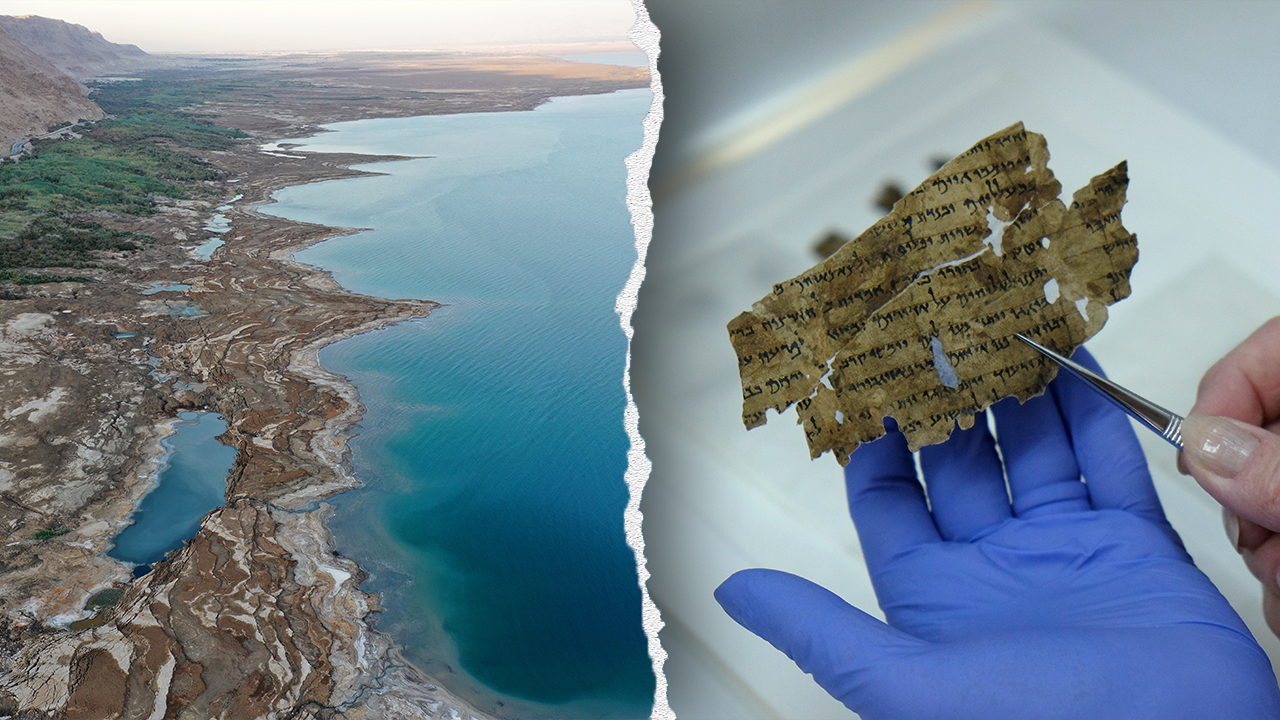
Importantly, while the discovery is significant, researchers emphasize that it does not undermine prior scholarly work. Instead, it enriches understanding of the scrolls by highlighting the potential for hidden visual elements in addition to textual content. These findings illustrate the depth of information contained in the scrolls and the value of continually applying new technologies to ancient artifacts.
The 2025 scans also demonstrate the interdisciplinary nature of modern archaeology. By combining imaging science, paleography, and historical analysis, researchers can uncover details that were invisible to previous generations of scholars. This encourages ongoing collaboration between scientists, historians, and theologians worldwide.
Overall, the re-scanning of the Dead Sea Scrolls in 2025 underscores the enduring significance of these ancient texts. While the newly discovered diagram’s precise meaning remains uncertain, it opens fresh avenues of inquiry into the spiritual, cultural, and symbolic life of Jewish communities two thousand years ago.