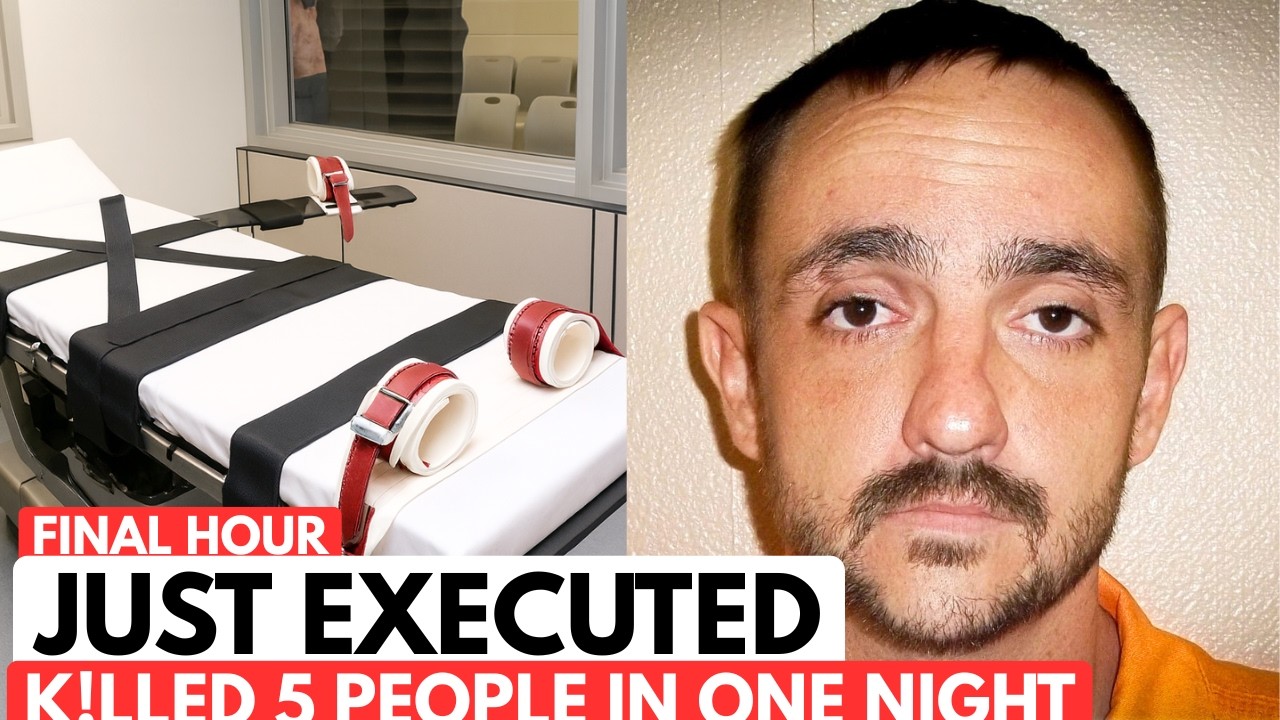
In a case that has captivated and horrified the nation, James Broadnax is set to face execution on April 30, 2026, after spending over 16 years on death row for a brutal double murder. The events leading to his conviction began on a sweltering June evening in 2008, when a robbery spiraled into tragedy.
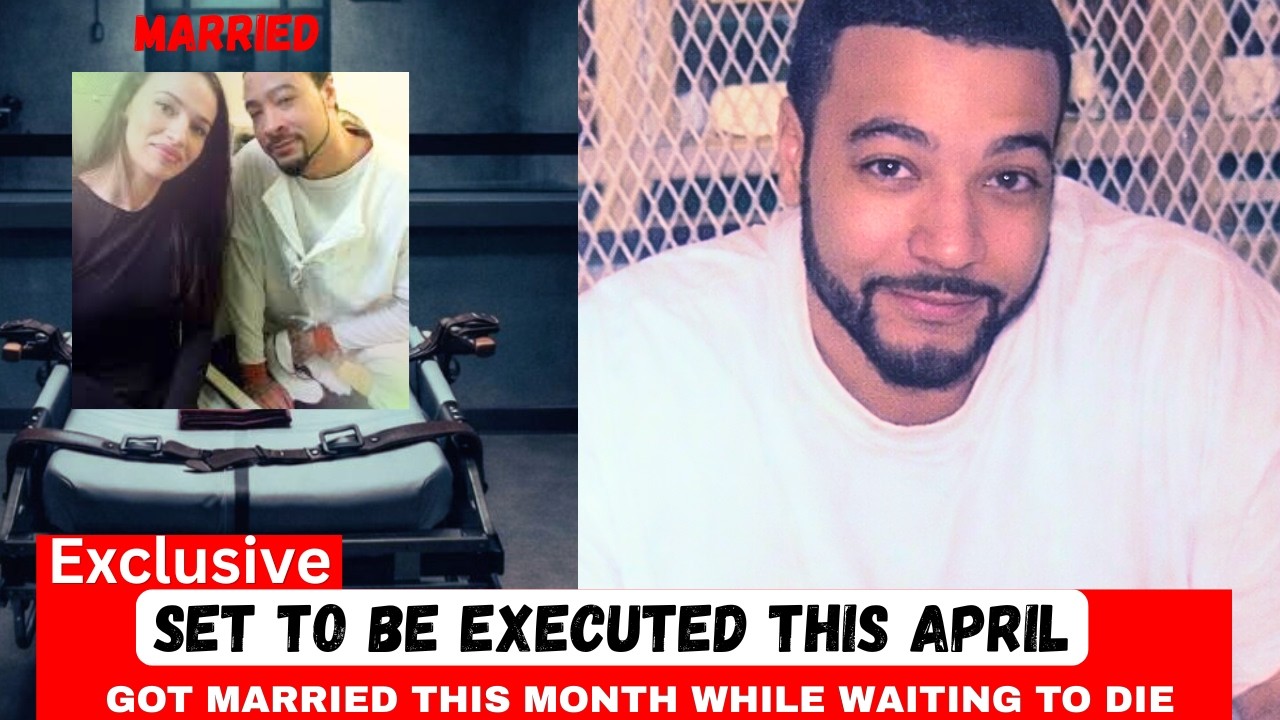 On June 18, 2008, in Dallas, Texas, 19-year-old Broadnax and his cousin, Demarius Cummings, were high on a dangerous mix of drugs. They had a plan to rob someone, not out of necessity, but for more drugs. Their choice of target? The affluent suburb of Garland, where they believed they could find easy victims
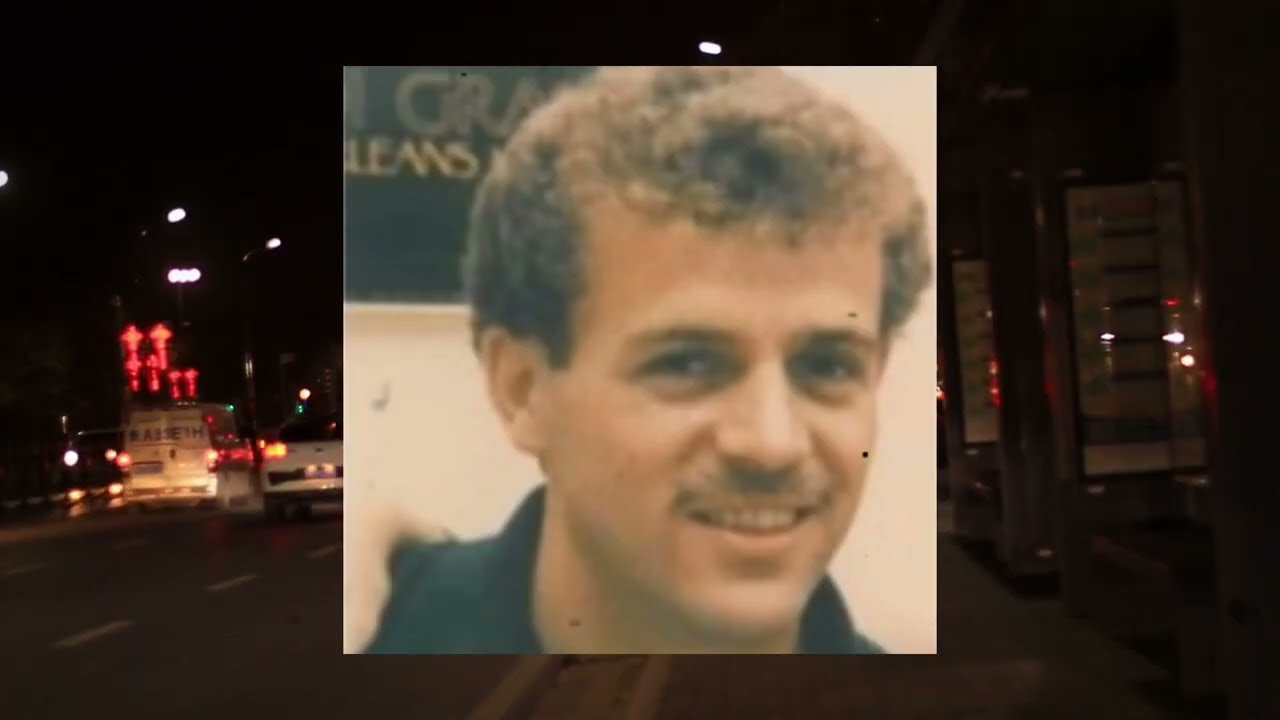
That fateful night, Matthew Butler, a 28-year-old owner of Zion Gate Records, was returning from a meeting with his pastor. A devoted husband and father, Matthew had no idea he was about to encounter two men who would change his life forever. Alongside him was Steven Swan, a talented sound engineer, who shared Matthew’s passion for music and faith
As they left the studio just after midnight, Broadnax and Cummings lurked in the shadows, waiting for the right moment. What began as a conversation about music quickly turned deadly. Broadnax, under the guise of asking for a cigarette, drew a gun and opened fire, killing both men in a matter of minutes. The 𝓈𝒽𝓸𝒸𝓀𝒾𝓃𝑔 brutality of the crime left investigators and the community in disbelief.

After the murders, the cousins stole Steven’s car, a tan 1995 Ford Crown Victoria, and returned to Dallas, where they allegedly bragged about their crime. However, their celebration was short-lived. Cummings’ aunt, suspicious of their behavior, gathered evidence that would eventually lead to their capture
Just over 24 hours later, police pulled them over for a routine traffic stop, discovering the stolen vehicle. The evidence against Broadnax and Cummings was overwhelming, but it was Broadnax’s chilling jailhouse interviews that would seal his fate. In a series of televised confessions, he recounted the murders with disturbing pride, showing no remorse for his actions.

The trial, which began in August 2009, was marked by the prosecution’s compelling evidence, including Broadnax’s own words. The defense argued that he was under the influence of drugs, but the jury found him guilty of capital murder. The punishment phase revealed the deep pain inflicted on the victims’ families, culminating in a death sentence for Broadnax.
In the years that followed, Broadnax’s legal team pursued numerous appeals, raising concerns about racial discrimination during jury selection. Despite these efforts, his conviction was upheld, and the U.S. Supreme Court ultimately denied his petition for a hearing.

Now, as the execution date approaches, Broadnax remains on death row, reportedly working in the prison kitchen. The families of Matthew Butler and Steven Swan have waited nearly two decades for justice, and the upcoming execution raises questions about the complexities of the legal system and the nature of justice itself.
Will the execution bring the closure that the victims’ families seek, or will it spark further debate about the fairness of the judicial process?