The Beginning of Wilhelm Keitel’s Journey
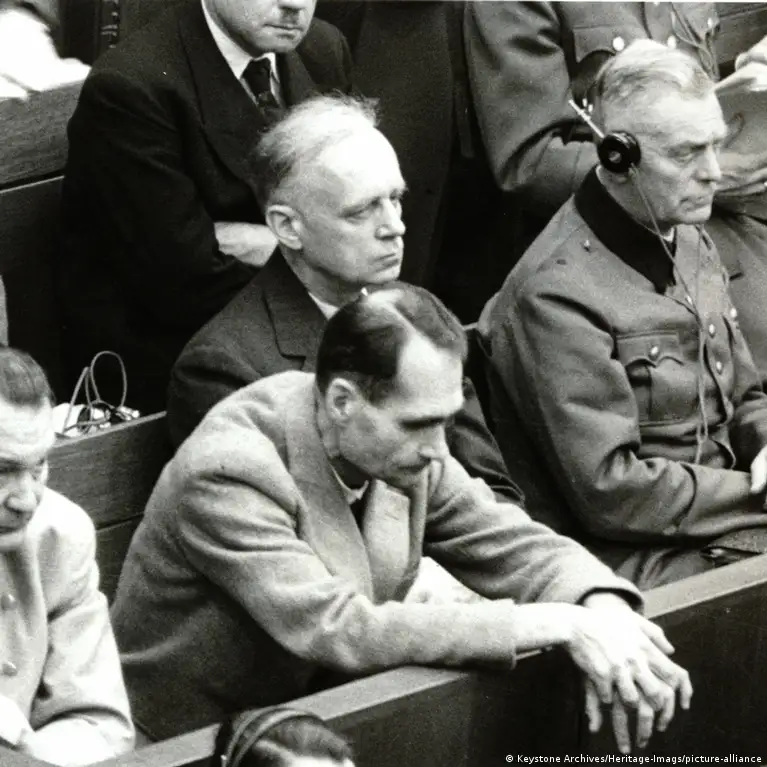
On October 1, 1946, inside the Palace of Justice in Nuremberg, Germany, silence filled the courtroom.
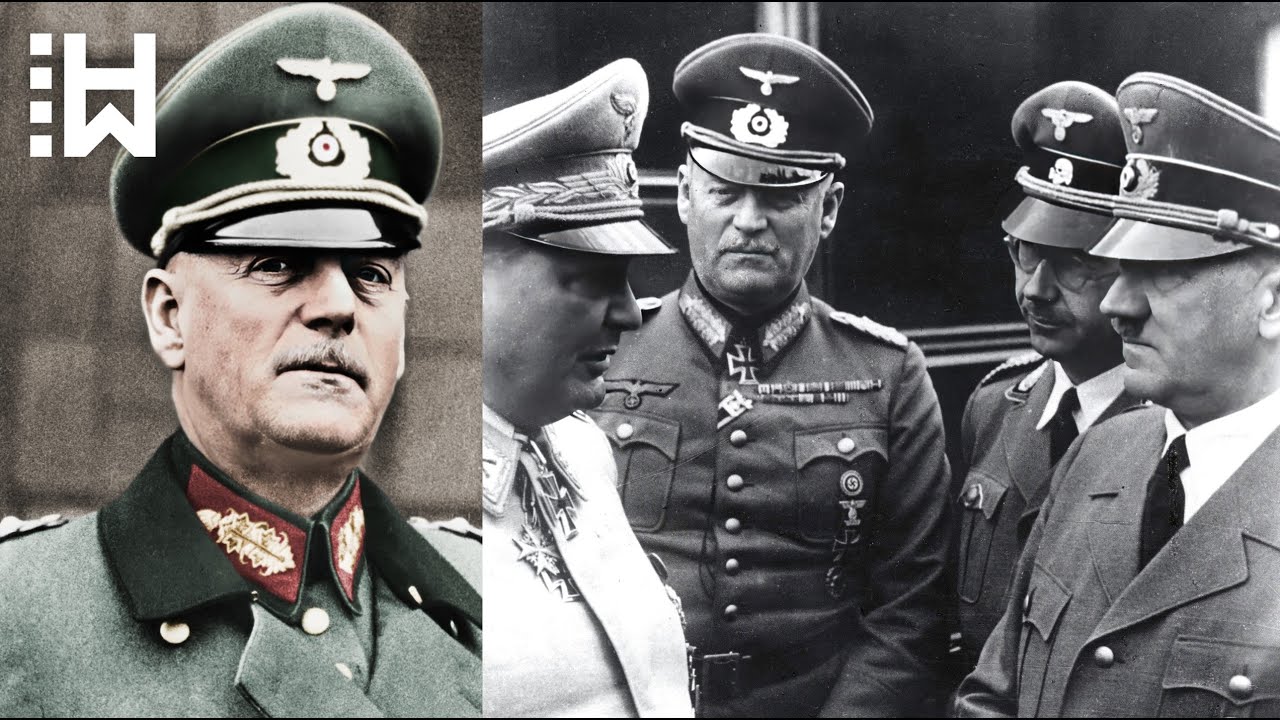
For nearly a year, the International Military Tribunal had examined thousands of documents, heard hundreds of witnesses, and reviewed overwhelming evidence collected from across Europe. Now, the judges were ready to deliver their verdicts.
Twenty-one of Nazi Germany’s most powerful surviving leaders sat in the dock.
Some had commanded armies. Others had shaped foreign policy, controlled propaganda, or overseen the machinery of a regime that plunged the world into the deadliest conflict in human history.
Gone were the decorated uniforms, military parades, and cheering crowds.
Instead, they waited quietly, knowing their fate would soon be decided.
The Nuremberg Trials marked a turning point in international law.
For the first time in modern history, senior political and military leaders were prosecuted not simply for losing a war, but for crimes against peace, war crimes, and crimes against humanity. The trials established a powerful precedent: no office, no rank, and no claim of authority could place an individual above the law.
As the verdicts were read aloud, the atmosphere remained tense.
Twelve of the twenty-one defendants were sentenced to death by hanging.
Among them was one of the highest-ranking military officers in Nazi Germany—Field Marshal Wilhelm Keitel.
Unlike Hermann Göring, Keitel was not one of the architects of the Nazi Party.
Unlike Joseph Goebbels, he was not a master propagandist.
Nor did he personally command the concentration camps that became symbols of the Holocaust.
Yet his signature appeared on countless military directives issued by Adolf Hitler’s regime. As Chief of the Oberkommando der Wehrmacht (OKW), the German Armed Forces High Command, Keitel approved and transmitted many of the orders that would later be judged as criminal under international law.
Throughout the trial, Keitel insisted that he had merely obeyed the orders of his supreme commander.
The tribunal rejected that defense.
History would reject it as well.
It is difficult to imagine that the man who ended his life on the gallows had once been a quiet boy growing up on a family estate in rural Germany—a boy whose future was never expected to revolve around war.
Wilhelm Bodewin Johann Gustav Keitel was born on September 22, 1882, in the village of Helmscherode, then part of the German Empire.
His family owned a modest estate and belonged to the class of rural landowners. Life was comfortable, but it was also shaped by discipline, tradition, and duty.
Tragedy struck early.
Keitel’s mother died while he was still a child, leaving his father to raise the family. Her death profoundly changed the household and forced the young Wilhelm to grow up in an environment where responsibility often outweighed emotion.
His father hoped that Wilhelm would eventually inherit and manage the family estate.
For generations, that had been the natural path for the eldest son.
But circumstances changed.
The estate was not transferred to him as expected, closing the door on the life his father had envisioned. Instead of becoming a farmer and landowner, Keitel began looking elsewhere for a career.
Like many young men of his social class at the turn of the twentieth century, he turned to the Prussian Army.
In 1901, at the age of nineteen, Wilhelm Keitel officially entered military service.
At the time, the German Empire under Kaiser Wilhelm II regarded military service as one of the highest professions in society. A commission in the Prussian Army offered prestige, stability, and opportunities for advancement.
For Keitel, joining the army was more than a career decision.
It was the beginning of a military journey that would span more than four decades and ultimately place him among the most powerful officers in Germany.
During his early years, Keitel developed a reputation for being disciplined, organized, and exceptionally reliable.
He was not known as a brilliant battlefield commander.
Instead, his strengths lay in administration, planning, and staff work. Superiors appreciated his attention to detail and his willingness to carry out assignments without complaint.
These qualities steadily advanced his career.
At the same time, they also revealed a characteristic that would later define his legacy: an almost absolute loyalty to those above him.
Outside the military, Keitel built a stable family life.
In 1909, he married Lisa Fontaine, the daughter of a wealthy and well-connected landowning family. The marriage strengthened his social standing and provided financial security as his military responsibilities continued to grow.
Together they had six children, although one tragically died at a young age.
Throughout Keitel’s long career, Lisa remained largely outside public attention, managing the household while her husband devoted himself to military service.
Few people in those early years could have imagined where Keitel’s path would lead.
The quiet officer from a rural estate would eventually become a Field Marshal of Nazi Germany and Hitler’s trusted military chief.
Even fewer could have foreseen that decades later, he would sit in the defendants’ dock at Nuremberg, condemned to death for the very orders he claimed he had only carried out.
His transformation from a loyal Prussian officer into one of the most controversial military figures of the Second World War did not happen overnight.
It unfolded through the collapse of the German Empire, the devastation of the First World War, the instability of the Weimar Republic, and ultimately, the rise of Adolf Hitler.
Those events would shape not only Germany’s future—but Wilhelm Keitel’s destiny as well.