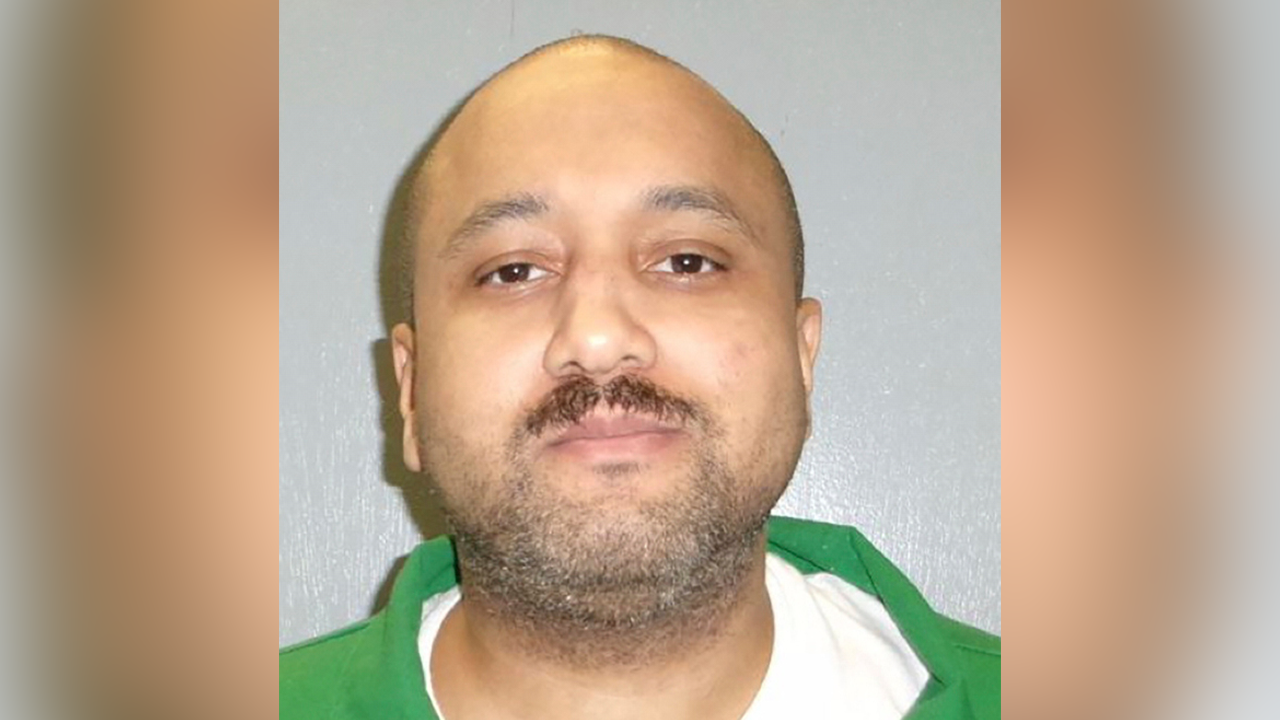
In a haunting tale of justice and tragedy, Florida executed Juan Carlos Chavez on February 12, 2014, nearly two decades after he was convicted for the abduction, rape, and murder of nine-year-old Jimmy Rice. The emotional weight of this case lingers, as it serves as a grim reminder of the dangers that can lurk in familiar surroundings
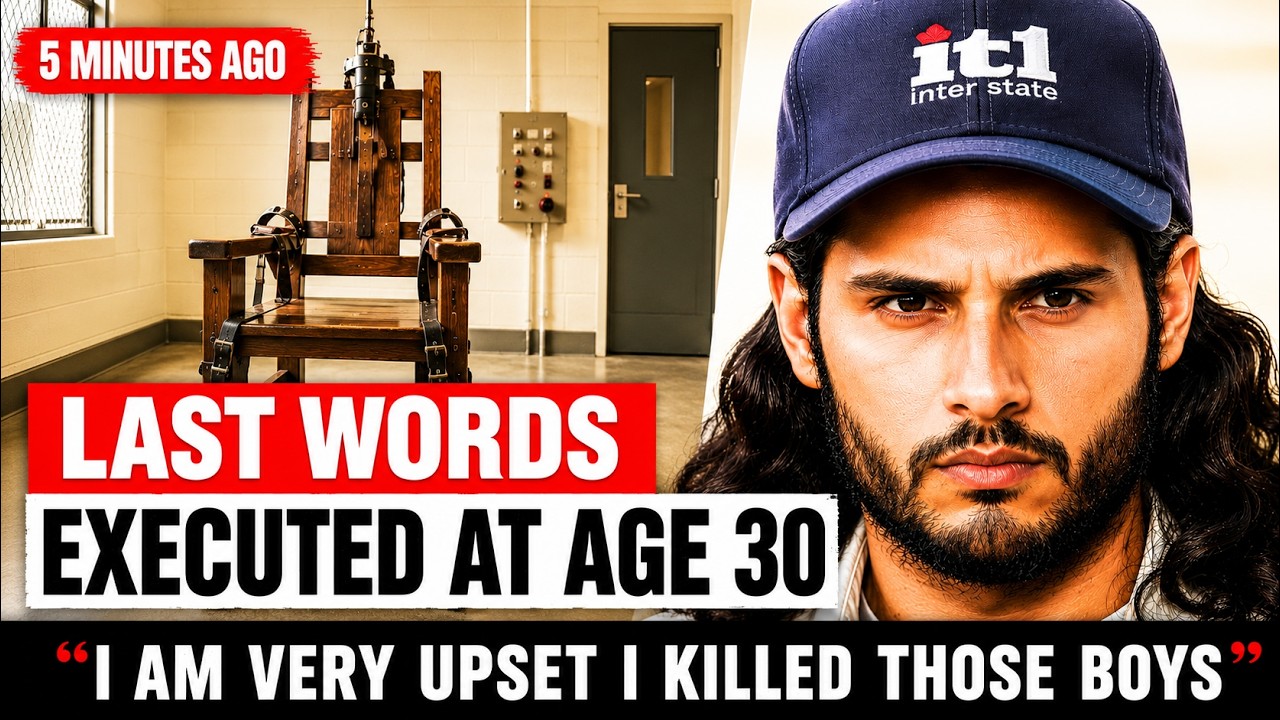 On that fateful day in September 1995, Jimmy Rice stepped off his school bus, blissfully unaware of the horror that awaited him. The quiet roads of South Miami Dade County, where parents felt safe, became the backdrop for a tragedy that would forever alter the lives of many. As the sun set on that ordinary Tuesday, the Rice family was plunged into a nightmare when their beloved son went missing.
For three agonizing months, the community rallied together, searching for Jimmy. His parents, Don and Claudine Rice, became public figures, pleading for information on national television. Despite their tireless efforts, the search yielded no answers, while the truth lay hidden just miles away, concealed by the very man who had taken their son.
Juan Carlos Chavez, who arrived in the U.S. from Cuba in 1991, had no prior criminal record. By 1995, he was working as a handyman and ranch hand, trusted by the families he served. On the day of Jimmy’s abduction, Chavez reportedly acted unusually, announcing his departure to a co-worker before driving to the school bus stop. There, he would make a choice that would change everything.

Chavez abducted Jimmy at gunpoint, taking him to a secluded trailer where he held the terrified boy for over three hours. Tragically, when law enforcement began searching the area, Jimmy made a desperate attempt to escape, but Chavez shot him before he could reach safety. The aftermath of this horrific act saw Chavez meticulously dismembering Jimmy’s body and concealing the remains in concrete planters on the ranch where he continued to work.
It wasn’t until December 1995 that Chavez’s connection to the crime was uncovered, thanks to a series of discoveries made by the Shinhouse family, who had employed him. A lengthy interrogation followed, during which Chavez eventually confessed to the murder, leading authorities to the location of Jimmy’s remains.
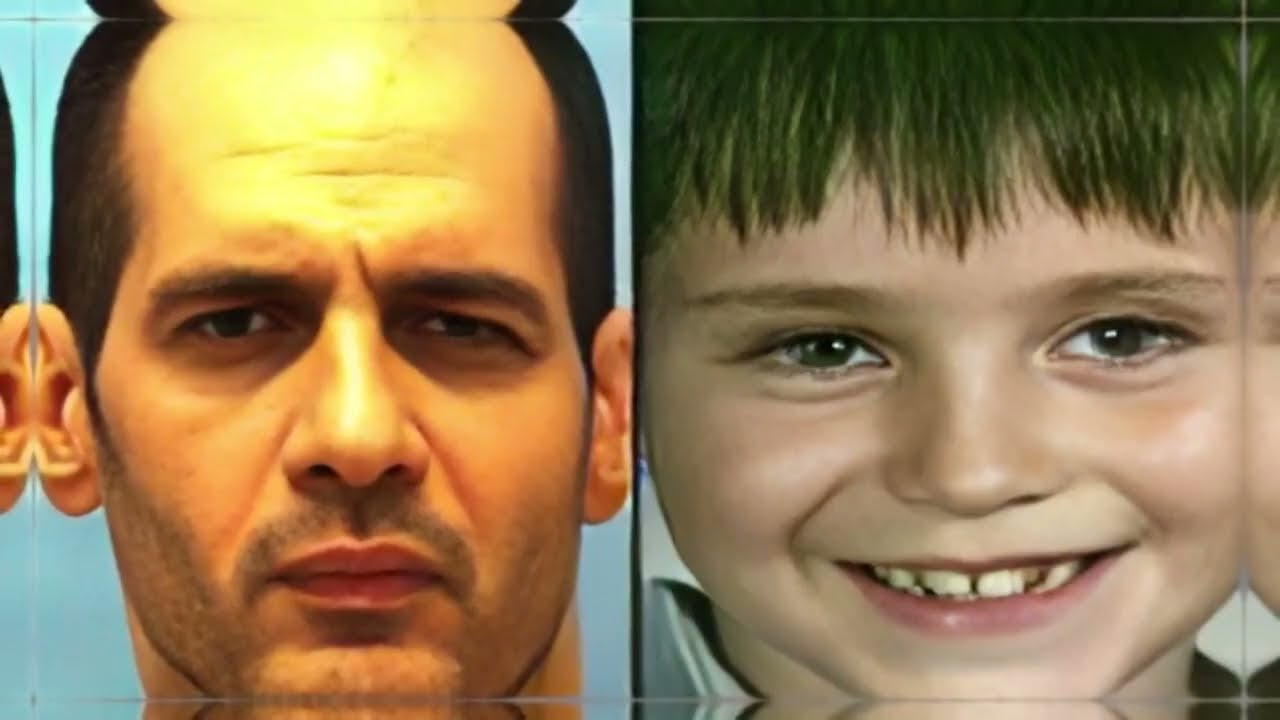
The trial in 1998 resulted in a conviction for first-degree murder, sexual battery, and armed kidnapping. Despite numerous appeals and legal maneuvers over the next 19 years, Chavez remained on death row, while the Rice family endured a prolonged wait for justice. Claudine Rice passed away in 2009, never witnessing the execution of her son’s killer
When the day finally arrived, Don Rice stood outside Florida State Prison, reflecting on the choices that led to this moment. He poignantly noted that 19 years earlier, Chavez had the chance to spare Jimmy’s life but chose otherwise. As the execution proceeded, Chavez reportedly expressed love for everyone involved, a final statement that left many questioning the depths of his remorse.

The legacy of Jimmy Rice extends beyond the tragedy of his death. In response to their unimaginable loss, the Rice family campaigned for legislative change, resulting in the Jimmy Rice Act, which aims to prevent sexual predators from re-entering society without proper assessment. This law has since led to the civil commitment of numerous offenders, a testament to the family’s determination to protect future children.
Yet, the effectiveness of the act remains a topic of debate, as critics argue it does not address the root causes of child abduction and violence. The irony that the law could not have prevented Jimmy’s abduction looms large, as it was designed for those already convicted.
As we remember Jimmy Rice, we are reminded of the complexities of safety, trust, and the lengths to which a family will go to ensure that no other parent experiences the same heartache. What lessons can we learn from this heartbreaking story, and how can we honor Jimmy’s memory in our communities today?