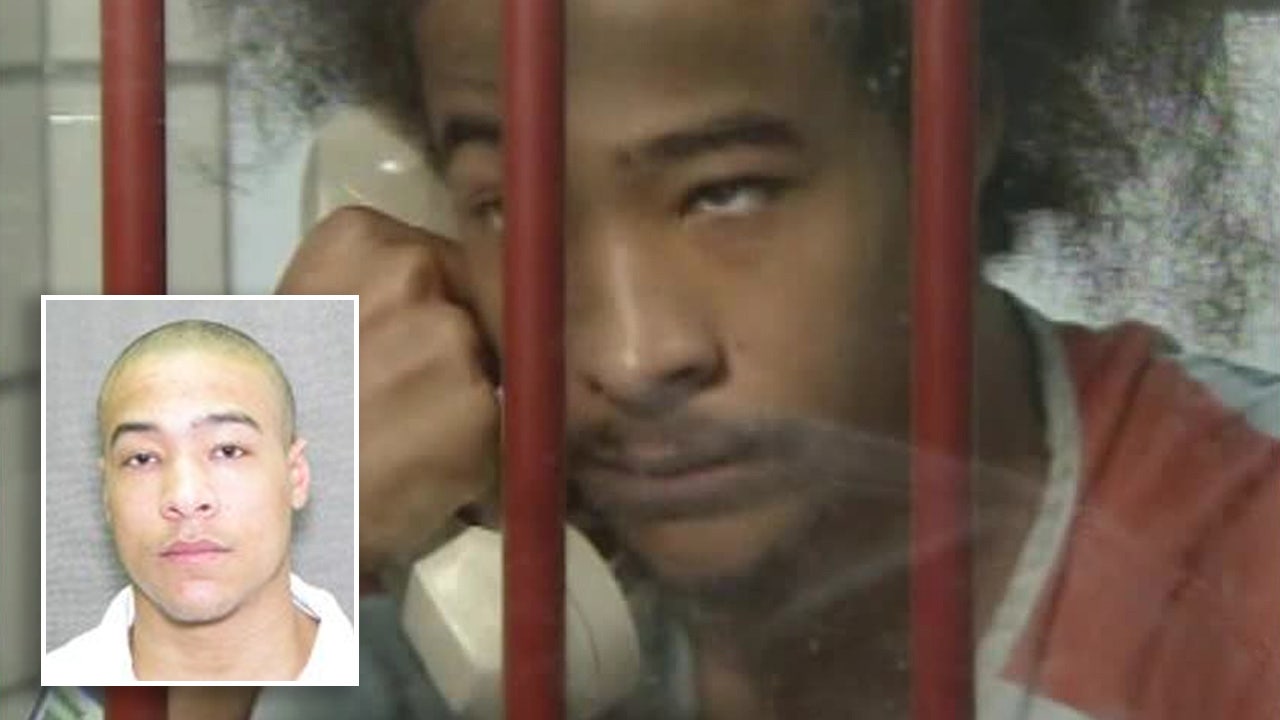
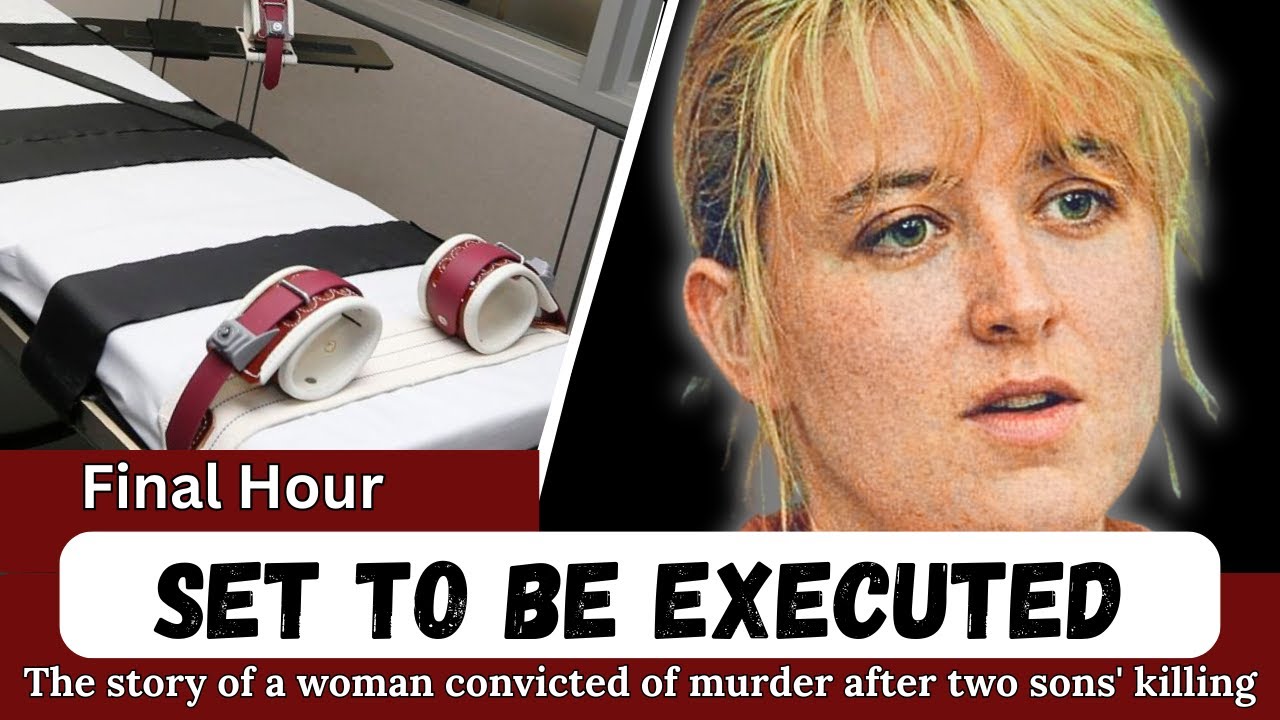
A former occupational therapist who spent years caring for the elderly became the 500th person executed in Texas on Wednesday night, closing a grim chapter in the state’s history that began with the brutal murder of a retired psychology professor who had simply answered her front door to borrow a cup of sugar.
Kimberly Legale McCarthy, 52, was pronounced dead at 6:37 p. m. inside the Huntsville Unit after receiving a single dose of pentobarbital.
 She had been convicted of capital murder for the July 1997 stabbing and beating of Dorothy Booth, a 71-year-old neighbor in Lancaster, Texas.
McCarthy’s execution came more than 15 years after a jury first sentenced her to death. It was delayed twice this year, once on the morning she was set to die, as appeals over claims of racial discrimination in jury selection ran through state and federal courts.
The final legal hurdles cleared in late spring. By Wednesday evening, only her spiritual adviser, her attorney, and her ex-husband, Aaron Michaels, founder of the New Black Panther Party, remained in the witness room behind the glass to see her last moments.
McCarthy’s final statement did not address the victims or their families. She looked toward her own witnesses and said, “This is not a loss. This is a win.
You know where I’m going. I’m going home to be with Jesus. Keep the faith.
I love you all.”
She added two final words: “God is great.”
In the adjacent viewing room, Dorothy Booth’s daughter, Donna Aldridge, sat with the victim’s granddaughter and several friends. They had waited 16 years for this moment, through two separate trials and two last-minute stays of execution that had forced them to brace themselves repeatedly for an ending that kept being postponed.
Outside the prison, roughly 30 death penalty opponents gathered under an overcast sky to protest what they called a “grim milestone.” The Texas Coalition to Abolish the Death Penalty issued a statement noting that McCarthy was the 500th person executed by the state since capital punishment resumed in 1982.
But the historic number was almost beside the point for the family inside. Aldridge told reporters after the execution that she had not come to Huntsville thinking about milestones. She came thinking about her mother.
Dorothy Booth was a retired psychology professor who had taught at El Centro College in Dallas. She lived alone in the quiet Lancaster suburb where she had built her retirement. On the afternoon of July 21, 1997, McCarthy called and asked to borrow a cup of sugar.
 When Booth opened her door, McCarthy attacked her with a butcher knife from Booth’s own kitchen. She stabbed her five times and beat her with a heavy candelabrum. While Booth was still alive, McCarthy cut off her finger to remove a diamond wedding ring.
She then stole Booth’s purse, credit cards, and the keys to her white Mercedes-Benz station wagon. Within hours, McCarthy had pawned the ring for $200, bought liquor with Booth’s credit cards, and driven to a crack house where she traded the car keys for drugs.
Booth’s body was discovered the next day. Evidence quickly piled up: Dorothy’s blood inside McCarthy’s home, her DNA on the butcher knife, the pawn shop receipt, the liquor store credit card records. McCarthy was arrested and charged with capital murder within 24 hours.
At trial, prosecutors presented evidence that McCarthy had killed two elderly women a decade before Booth. In December 1988, Maggie Harding, 81, and Jetty Lucas, 85—both friends of McCarthy’s own mother—had been beaten and stabbed to death inside their homes within weeks of each other.
DNA technology that didn’t exist in 1988 later linked McCarthy to both murders. She was never formally charged for those killings, but the evidence was introduced at her sentencing hearing to show a pattern of targeting elderly women for drug money.
McCarthy had once worked as an occupational therapist in a nursing home, helping elderly patients relearn basic physical tasks. Court records show she later descended into crack cocaine addiction, amassing convictions for forgery, prostitution, and theft of services before the murders began.
Her legal journey after the 1998 conviction was long and tangled. An appeals court threw out her original conviction in 2001, ruling that a confession had been obtained illegally after she asked for a lawyer. She was retried in 2002 and again sentenced to death.
The racial makeup of that second jury became the centerpiece of her appeals. The jury that convicted her consisted of 11 white members and one Black member. McCarthy was Black; Booth was white.
Her attorneys argued that Dallas County prosecutors had systematically excluded Black jurors, a practice the U. S. Supreme Court had ruled unconstitutional in 1986.
The appeals stretched for a decade, reaching the U. S. Supreme Court, which declined to hear the case in January 2013.
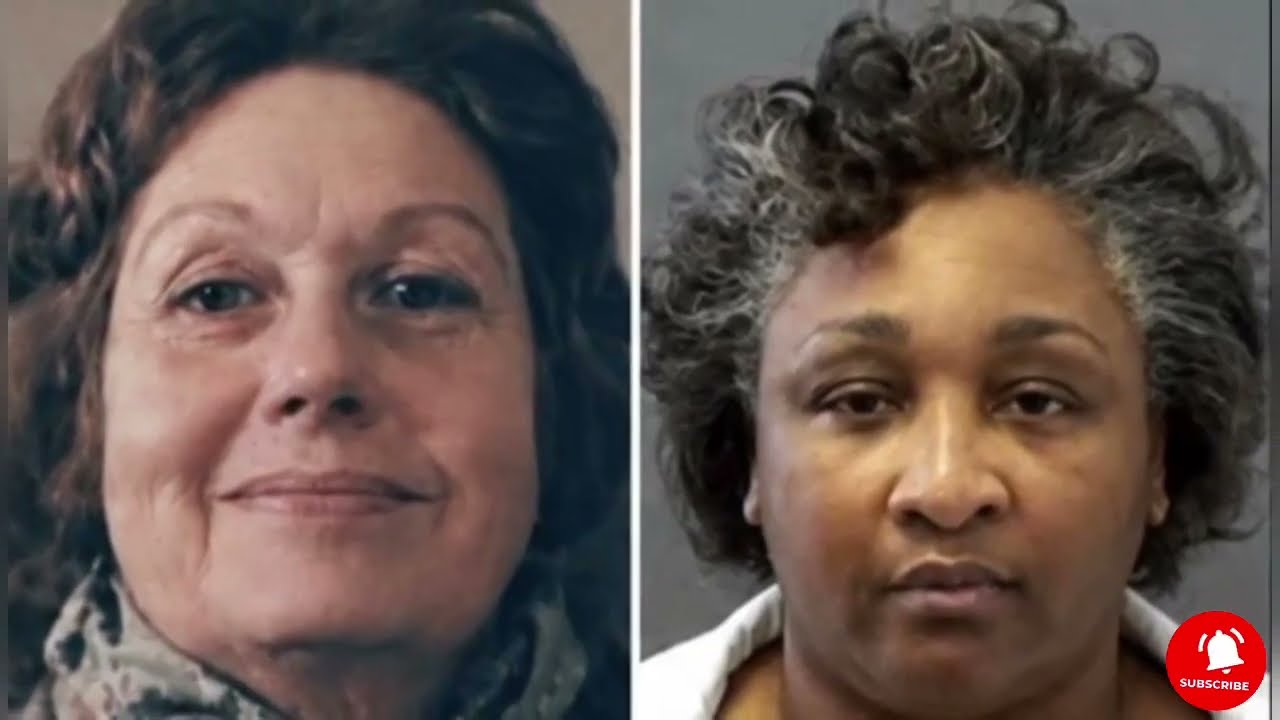 Her first execution date was set for January 29, 2013. A Dallas judge granted a stay hours before it was to happen.
Her second execution date was scheduled for April 3, 2013. That too was postponed, reportedly because of pending death penalty legislation in the Texas legislature. Finally, June 26, 2013, was set.
By then, McCarthy had spent more than 14 years on death row, maintaining her innocence and blaming two unnamed drug dealers for Booth’s murder. Investigators said they found no evidence such men existed.
At her execution, the state used a single dose of pentobarbital, the same drug that had become increasingly difficult for Texas to obtain. Pharmaceutical companies had begun refusing to sell to prison systems for use in executions, forcing states to turn to loosely regulated compounding pharmacies.
That supply issue did not delay McCarthy’s death. The drug worked as intended, and within 20 minutes, the woman who had once helped elderly patients learn to stand and walk was pronounced dead.
For the relatives of Maggie Harding and Jetty Lucas, there will never be a trial with their loved ones’ names on the docket. Their cases remain unsolved in the legal sense, solved only in the evidentiary record of a third woman’s murder trial. No jury ever returned a verdict for them.
For Dorothy Booth’s family, the end finally came at 6:37 p. m. on a Wednesday in Huntsville.
They left the prison without making any public statement beyond acknowledging that the long wait was over.
McCarthy becomes the 13th woman executed in the United States since the Supreme Court reinstated the death penalty in 1976, and the first woman executed in Texas in nearly three years. She was the eighth person put to death in Texas in 2013.
The state’s 500th execution since 1982 gives Texas a total that far exceeds any other state in the country, accounting for nearly 40 percent of all executions nationwide since capital punishment resumed.
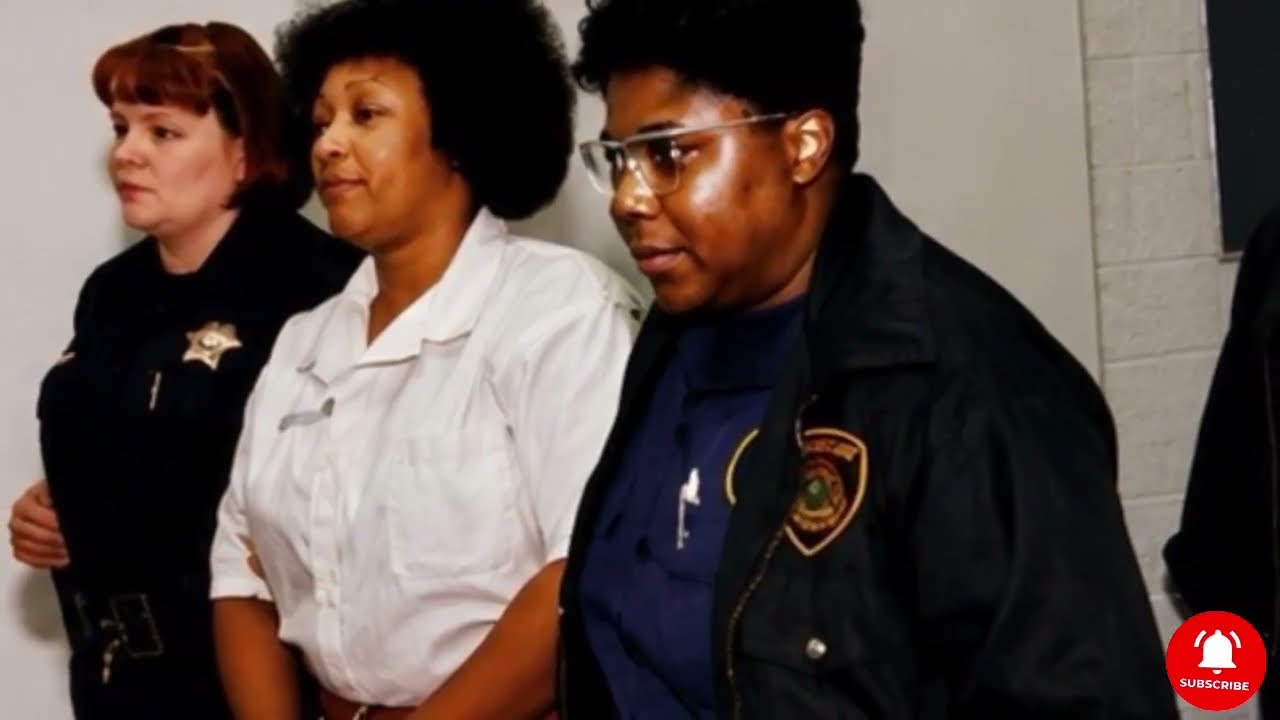 That statistic, death penalty opponents argue, carries its own weight. The Texas Coalition to Abolish the Death Penalty released a list of cases where executed inmates were later found to have been convicted based on flawed evidence or false testimony, including the names of Gary Graham, Claude Jones, and Cameron Todd Willingham.
None of those cases directly involve Kimberly McCarthy. The physical evidence against her was overwhelming. But the broader debate about the death penalty in Texas did not pause for her execution.
Inside the chamber, the routine was methodical. McCarthy was strapped to a gurney, the curtain opened to reveal the witness rooms, and the warden gave the signal over an intercom. The entire procedure lasted less than 30 minutes.
When the curtain closed, the witnesses from both sides were led out separate exits. The reporters in the media room began filing their stories, noting the historical number attached to the night’s event.
But in the family room, the reality was simpler. There was no milestone. There was just a daughter, a granddaughter, and a group of friends who had spent 16 years carrying the memory of a woman who had done nothing more than open her door to a neighbor who asked for a cup of sugar.
They came to Huntsville not to mark history, but to witness the end of a long legal road. What they heard from the woman who killed their mother were words about God and a homecoming. Nothing about Dorothy Booth, nothing about Maggie Harding, nothing about Jetty Lucas.
Afterward, the prison released the official execution record. It listed the time of death, the drug used, and the final statement verbatim. The historical significance was noted in a separate press release.
For the family of Dorothy Booth, the chapter is closed. For the families of Maggie Harding and Jetty Lucas, it remains open in a different way—closed by evidence but never by a trial, never by a verdict that spoke their loved ones’ names aloud in a courtroom.
Kimberly McCarthy’s life began in Greenville, Texas, in 1961. She spent her early years training as an occupational therapist, working inside a nursing home where she helped elderly residents regain basic skills like dressing and feeding themselves.
That part of her story ended somewhere in the late 1980s, when crack cocaine took hold. By 1990, she was convicted of forgery and served prison time. By 1997, she had killed three elderly women.
On Wednesday night, the last of those victims finally received the justice the legal system had to offer. Whether that justice was complete, or whether the number attached to it tells the full story, is a question the state of Texas will continue to face after the execution chamber falls silent.