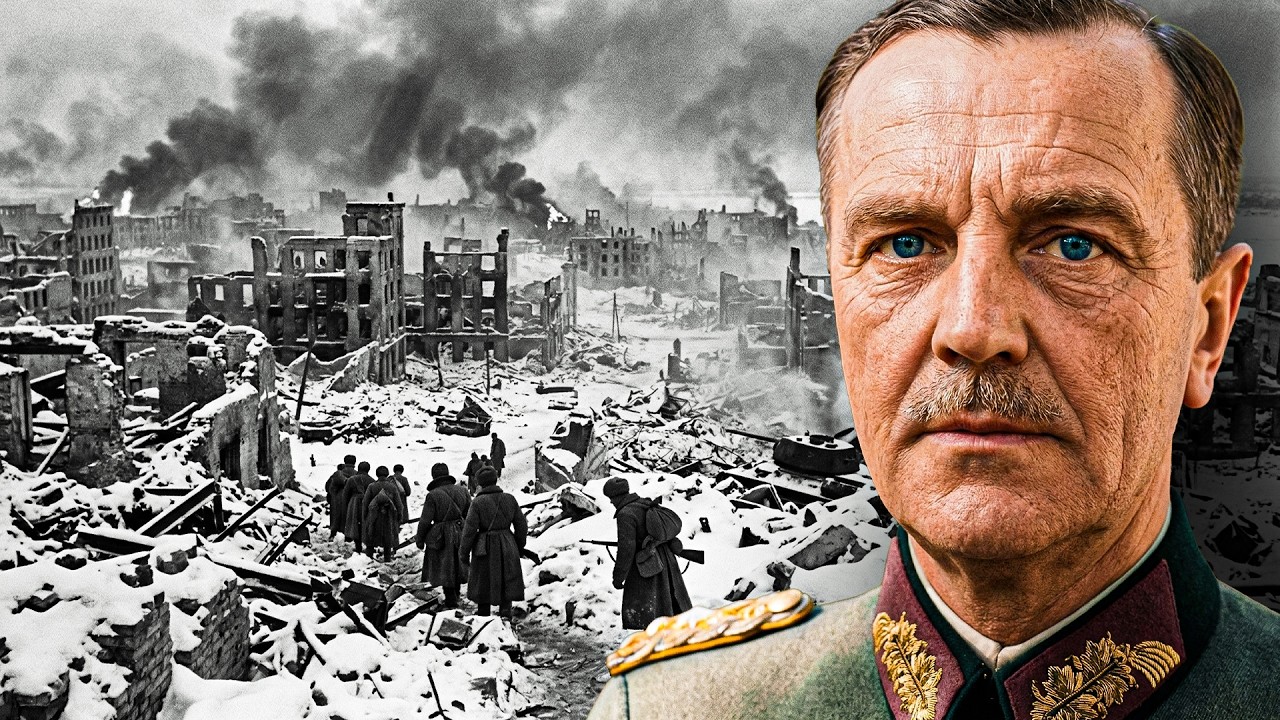
Before he became the man responsible for one of the most brutal concentration camps in Nazi Germany, Franz Ziereis had ordinary hands.
Hands that worked with wood.
Hands that measured carefully.
Hands that cut, shaped, and polished.
A carpenter’s hands.
He knew the feeling of creating something useful.
A table.
A chair.
A door.
Objects meant to last for years.
A neighbor might have trusted him to repair broken furniture.
A family might have invited him into their home.
He was not born carrying a weapon.
He was not born as a symbol of terror.
But history would remember those same hands for something completely different.
Because one day, those hands stopped building.
They began destroying.
The hands that once joined pieces of wood together would later sign orders that separated families forever.
The hands that once smoothed rough edges would become connected to a place where human beings were reduced to numbers.
His name was Franz Ziereis.
And his transformation from carpenter to concentration camp commandant remains one of the darkest examples of how ordinary people can become instruments of unimaginable cruelty.
When people imagine the architects of Nazi crimes, they often picture obvious villains.
Fanatics from the beginning.
People who were always consumed by hatred.
But the reality was more disturbing.
Many perpetrators did not begin as monsters.
They began as ordinary people.
People with jobs.
Families.
Dreams.
Weaknesses.
Ambitions.
The terrifying question history forces us to confront is not only:
“Why did evil people do evil things?”
It is:
“How do ordinary people become capable of doing evil?”
Franz Ziereis became one of the answers to that question.
Ziereis was born in Munich, Germany, in 1905.
His early life was not the story of someone destined for infamy.
He trained as a carpenter.
He worked with his hands.
He lived the life of a skilled tradesman.
But Germany after World War I was a country filled with instability.
The defeat of 1918 had left many Germans angry and humiliated.
Economic struggles created fear.
Political chaos created uncertainty.
Millions of people searched for answers.
Extremist movements offered simple explanations for complicated problems.
They promised order.
They promised strength.
They promised that Germany could rise again.
For people who felt lost, those promises could be powerful.
The Nazi movement understood something important about human psychology.
People want belonging.
They want purpose.
They want to believe their lives matter.
The Nazis offered all three.
They created a world where loyalty was celebrated.
Where obedience was rewarded.
Where questioning was treated as betrayal.
For young men searching for direction, the movement could feel like an opportunity.
A chance to become part of something larger than themselves.
But behind the promises was a dangerous transformation.
The individual slowly disappeared.
The group became everything.
The ideology became more important than compassion.
And once a person accepted the idea that some human beings were less valuable than others, the door to cruelty opened.
Ziereis joined the Nazi Party and eventually became part of the SS.
The SS was not simply a military organization.
It was built as the ideological core of Nazi power.
Its members were expected to show absolute loyalty.
They were trained to place the goals of the regime above traditional morality.
The SS created a culture where following orders became a virtue.
Where brutality could be described as duty.
Where murder could be hidden behind official language.
This was the environment that transformed men like Ziereis.
In 1939, Franz Ziereis was appointed commandant of Mauthausen concentration camp in Austria.
At the time, few could have imagined how infamous the place would become.
Mauthausen was not only a prison.
It was a system designed around exploitation and destruction.
The camp was built near a granite quarry.
Prisoners were forced into brutal labor.
They carried enormous stones up the infamous “Stairs of Death.”
Many collapsed.
Many died.
The camp became a place where physical exhaustion, starvation, disease, and deliberate cruelty combined into a machinery of suffering.
 For the prisoners who entered Mauthausen, the first loss was often not physical.
It was identity.
Names were replaced by numbers.
Personal histories were erased.
Families were separated.
People were reduced to categories created by the Nazi regime.
Jewish prisoners.
Political opponents.
Resistance members.
Prisoners of war.
People considered enemies by the state.
The system depended on one essential idea:
If you convince yourself that someone is not fully human, almost anything becomes possible.
Ziereis stood at the center of this system.
As commandant, he held enormous authority.
The guards followed his instructions.
The administration carried out his policies.
The prisoners lived under his control.
Every day at Mauthausen represented a choice.
A choice between treating prisoners as human beings.
Or treating them as objects.
Ziereis chose the second.
One of the most disturbing aspects of concentration camp systems was the way they turned cruelty into routine.
Mass suffering did not always happen through moments of uncontrolled rage.
Often, it happened through schedules.
Reports.
Orders.
Daily procedures.
The horror became organized.
A person could wake up, eat breakfast, attend a meeting, sign documents, and participate in a system of murder before going home at night.
That separation between ordinary life and extraordinary cruelty was one of the most frightening aspects of Nazi Germany.
Witnesses later described Ziereis as a man who represented the authority of the camp.
He carried the appearance of command.
The uniform.
The position.
The confidence.
But behind that image was a deeper question.
How could someone who once created ordinary things become responsible for destroying human lives?
The answer lies in the gradual erosion of conscience.
People rarely become cruel in one moment.
They adapt.
They justify.
They become comfortable with things they once would have rejected.
At Mauthausen, suffering became part of the system.
Prisoners died from starvation.
They died from exhaustion.
They were killed through executions and deliberate mistreatment.
By the end of the war, tens of thousands of people had died within the Mauthausen camp system.
The exact numbers vary depending on how deaths are counted, but historians agree that the scale of suffering was enormous.
Behind every number was a person.
A name.
A family.
A life that existed before the camp.
The most frightening part of Ziereis’s story is that he did not see those people as individuals.
The Nazi system trained its officials to see human beings as problems to be managed.
Numbers to process.
Labor to exploit.
Enemies to eliminate.
Once that way of thinking becomes normal, cruelty no longer feels like cruelty to the person committing it.
It feels like administration.
Then came 1945.
The empire that Ziereis served was collapsing.
The Nazi dream of domination was becoming a nightmare of defeat.
All across Germany and Austria, officials who had once acted with confidence began looking for ways to survive.
The men who believed they controlled history suddenly feared history.
The same system that gave them power could no longer protect them.
As Allied forces approached Mauthausen, the world Ziereis had built began falling apart.
The prisoners who had been powerless for years suddenly saw liberation approaching.
The guards who once controlled every movement realized they could no longer guarantee their own safety.
The balance of power had changed.
The people who had created fear now experienced fear themselves.
Ziereis attempted to escape.
The man who had spent years controlling the fate of thousands now became a fugitive.
The commandant who once walked through Mauthausen with authority was now trying to disappear.
But there was one thing he could not escape.
The evidence.
The survivors.
The memories.
The thousands of voices that remained after the system collapsed.
When American forces liberated Mauthausen in May 1945, they discovered the reality of what had happened there.
Survivors emerged from the camp carrying the physical and emotional scars of years of suffering.
They showed the world what the Nazi system had created.
They were living evidence.
They were witnesses.
They were the reason the crimes could not be hidden.
Ziereis was eventually captured.
The man who had once held absolute authority over prisoners was now powerless.
The uniform was gone.
The command was gone.
The fear he created was gone.
All that remained was a man facing the consequences of his actions.
The final chapter of Franz Ziereis’s life was not a story of triumph.
It was the collapse of an illusion.
For years, he believed power came from controlling others.
He believed authority protected him.
He believed the system behind him would last.
But systems built on violence eventually collapse.
And when they do, the people who served them often discover they were never as powerful as they believed.
The story of Franz Ziereis is not only about one man.
It is about the choices people make when a society rewards cruelty.
It is about the danger of replacing conscience with obedience.
It is about what happens when a person stops seeing others as human.
Because the most dangerous transformation is not when someone picks up a weapon.
It is when they first convince themselves that using it is justified.
The carpenter who once shaped wood spent the final years of his life shaping suffering.
He once created objects meant to survive.
But the legacy he left behind was not something he built.
It was something he destroyed.
His hands once repaired broken things.
History remembers them because they helped break something much larger.
Human dignity.
And perhaps the greatest lesson of Mauthausen is this:
Evil does not always begin with hatred.
Sometimes it begins when an ordinary person stops asking whether what they are doing is right.
And starts asking only whether they are doing it correctly.
For years, Franz Ziereis walked through Mauthausen as if he owned time itself.
The prisoners saw the uniform before they saw the man.
They saw the authority.
They saw the power.
They saw someone who could decide their fate with a signature, a command, or a simple gesture.
Inside the walls of Mauthausen, Ziereis represented something much larger than himself.
He represented a system.
A system that had convinced millions of people that cruelty could be organized.
That suffering could be justified.
That human beings could be reduced to categories.
But every system built on fear eventually faces the same moment.
The moment when fear stops working.
And in 1945, that moment arrived.
The final months of the war were unlike anything Ziereis had experienced before.
The confidence of the Nazi regime was disappearing.
The speeches about victory sounded increasingly disconnected from reality.
The armies that were supposed to conquer Europe were retreating.
The leaders who promised a thousand year empire were searching for ways to survive.
The people who once demanded absolute loyalty began looking for excuses.
The machine of terror was breaking apart.
And when powerful systems collapse, the people inside them often reveal who they truly are.
Some continue until the end.
Some try to escape.
Some suddenly claim they were never responsible.
For years, Ziereis had benefited from the authority of the SS.
The uniform gave him status.
The organization gave him protection.
The ideology gave him justification.
But now all three were disappearing.
The uniform that once created fear became evidence.
The organization that once protected him became a criminal symbol.
The ideology that promised greatness became proof of destruction.
The man who believed he was building the future was suddenly trapped by the past.
The liberation of Mauthausen created a moment that Nazi officials had spent years trying to prevent.
The victims could speak.
For years, the prisoners had been silenced.
Their names had been removed.
Their identities had been replaced.
Their suffering had been hidden behind walls and fences.
But when Allied soldiers arrived, the walls could no longer protect the people responsible.
The survivors became witnesses.
Every scar became evidence.
Every memory became testimony.
Every person who survived represented a story that the Nazi system failed to erase.
For Ziereis, this was perhaps the most terrifying reality.
He could deny.
He could explain.
He could attempt to separate himself from the crimes.
But he could not erase thousands of witnesses.
The people he had viewed as numbers were now individuals standing before the world.
They had names.
They had families.
They had lives before Mauthausen.
The system had tried to make them disappear.
Instead, they became the reason history remembered.
One survivor’s story could challenge an entire organization.
One testimony could expose a lie.
One photograph could destroy years of propaganda.
This was why authoritarian systems fear memory.
They understand that controlling the present is not enough.
They must control the past.
Because once people know what happened, the justifications begin to collapse.
The survivors of Mauthausen carried memories that were almost impossible to describe.
They remembered the hunger.
The exhaustion.
The constant fear.
They remembered friends disappearing.
They remembered waking up not knowing who would still be alive by nightfall.
They remembered the psychological transformation that occurred inside the camp.
A place where survival itself became a daily battle.
But they also remembered something else.
Humanity.
Even in a place designed to destroy dignity, some prisoners helped each other.
They shared food when they had almost none.
They protected the weak when they themselves were suffering.
They offered kindness in a place built around cruelty.
That contrast reveals something important.
The Nazis tried to destroy humanity.
But they never completely succeeded.
This was the difference between the prisoners and the people who controlled the camp.
The prisoners had lost almost everything.
Their freedom.
Their possessions.
Their safety.
But many refused to lose compassion.
The guards had power.
They had weapons.
They had authority.
But many surrendered something far more valuable.
Their conscience.
The story of Ziereis is disturbing because he was not simply a violent man.
He was an example of what happens when a person separates actions from morality.
He could participate in suffering while convincing himself that he was performing a duty.
He could see exhausted prisoners and still think about administration.
He could witness death and focus on order.
That ability to separate emotion from responsibility is one of the most dangerous human traits.
A person does not wake up one morning and become capable of mass cruelty.
The transformation usually happens gradually.
First, someone accepts a harmful idea.
Then they repeat it.
Then they see others accepting it.
Then they become comfortable with it.
Eventually, what once seemed impossible becomes normal.
This is how societies can move toward darkness.
Not because everyone suddenly becomes evil.
But because enough people stop resisting.
Ziereis’s life before Mauthausen makes this lesson even more uncomfortable.
He was not born into a world of violence.
He worked with wood.
He created things.
He understood patience and precision.
A carpenter must measure carefully.
A carpenter must understand structure.
A carpenter must know how individual pieces come together to create something larger.
But those same skills of organization and discipline were later used in a system of destruction.
The tragedy was not that he lost his ability.
It was that he placed his abilities in service of something terrible.
Talent without morality can become dangerous.
Intelligence without compassion can become destructive.
Discipline without conscience can become a weapon.
History is filled with examples of people who were highly capable but used their abilities to harm others.
The question is never only:
“How skilled is a person?”
The deeper question is:
“What purpose does that skill serve?
As Allied forces approached, Ziereis faced the reality that he could no longer control the narrative.
For years, he controlled information inside Mauthausen.
Now information was escaping.
For years, he controlled who was seen.
Now the world was seeing the victims.
For years, he controlled who spoke.
Now survivors were telling their stories.
The balance of power had completely reversed.
The commandant who once walked through the camp expecting obedience was now trying to save himself.
The man who had represented absolute authority became a fugitive.
The man who decided who lived and died suddenly feared for his own life.
This was the final irony of authoritarian power.
It promises security to those who serve it.
But when it collapses, it often abandons them first.
The SS had taught its members that loyalty would be rewarded.
But in the final days of Nazi Germany, many discovered the truth.
The system did not love them.
It used them.
They were valuable only while they could serve the system.
Once defeat arrived, they became liabilities.
The same machine that created perpetrators eventually consumed them.
When Ziereis was captured, the world saw a completely different figure from the powerful commandant of Mauthausen.
Not a commander.
Not a symbol of authority.
A defeated man.
A man facing questions.
A man whose power had disappeared.
This transformation is one of history’s most powerful images.
Because it reveals something that every dictator and every oppressive system eventually learns.
Fear can control people for a time.
But fear cannot control history.
The victims outlived the system that tried to erase them.
The prisoners whose names were replaced by numbers became the voices that preserved memory.
The people who were considered powerless became the ones who shaped how future generations understood the past.
That is the final defeat of oppression.
Not only losing power.
But losing control of the story.
The story of Franz Ziereis is not comfortable because it does not allow us to place evil at a safe distance.
It forces us to look at human choices.
A person can have ordinary beginnings.
A person can possess useful skills.
A person can live among ordinary neighbors.
And still make decisions that lead them somewhere horrifying.
The distance between an ordinary life and a destructive one is sometimes smaller than people want to believe.
That is why remembering figures like Ziereis matters.
Not because their names deserve attention.
But because the warning does.
History is not only about what happened.
It is about understanding how it became possible.
Because the same conditions that allow cruelty to grow can appear again.
Propaganda.
Fear.
Dehumanization.
Blind obedience.
The refusal to see others as human.
The carpenter from Munich once built objects designed to last.
But the legacy he left behind was not measured in wood or craftsmanship.
It was measured in lives destroyed.
The man who knew how to shape material failed to protect the most important thing:
Human dignity.
And perhaps the darkest lesson of Mauthausen is this:
A person does not become dangerous because they lose their humanity in one moment.
They become dangerous when they repeatedly choose not to see the humanity of others.
The first step toward cruelty is not always hatred.
Sometimes it is simply looking away.
And history has shown us that the people who look away long enough may eventually become the ones holding the weapon.