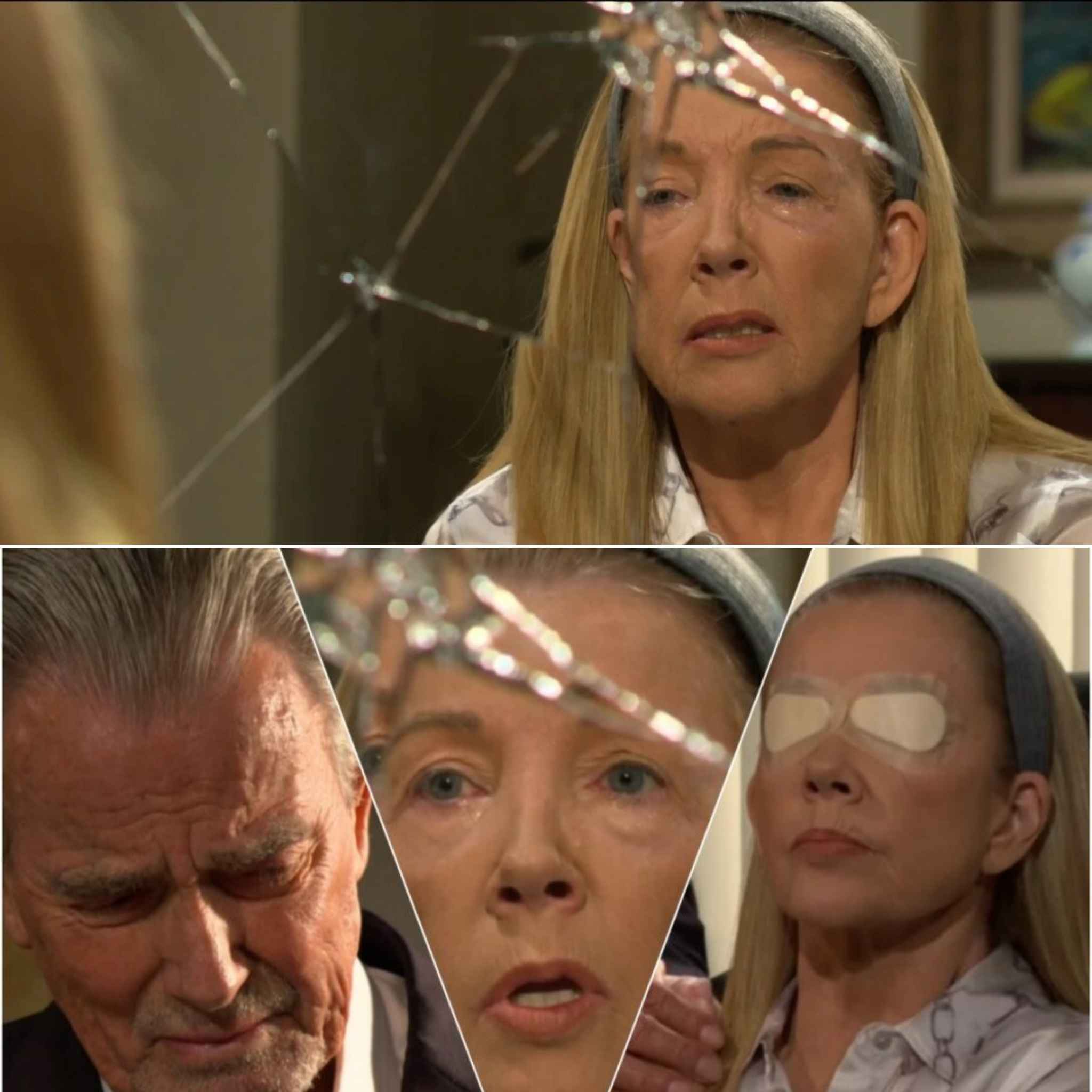
The Billionaire Who Hadn’t Slept in Five Years Begged His Maid to Come Back at 12:30 A.M.
At exactly 12:30 in the morning, one of the richest men in West Africa sat on the floor of his bedroom and begged a housemaid not to hang up the phone.
Anthony Olamide did not beg.
He negotiated.
He instructed.
He purchased solutions before other people had finished describing their problems.
But that night, with his back pressed against a wall of Italian marble and his hands trembling around his phone, the billionaire whispered four words no one had ever heard him say.
“I can’t sleep, Oma.”
There was silence on the other end.
Outside his windows, Lagos glittered across the black water. Inside the mansion, every light was burning, every security camera was active, and twelve members of staff were awake because their employer had begun shouting at shadows again.
Anthony looked toward the empty chair beside his bed.
Oma had fallen asleep in that chair three nights earlier, halfway through a ridiculous story about a woman who tried to bargain with a goat seller and ended up being chased through an open market.
Anthony had covered her with a blanket.
Then, for the first time in five years, he had slept.
Not for twenty minutes.
Not under sedation.
Not with electrodes attached to his head or a doctor watching through reinforced glass.
He had slept for six hours and seventeen minutes.
And when he woke, Oma was gone.
Now the darkness had returned with teeth.
“Oma,” he said again, his voice cracking. “Please.”
The word shocked him more than the fear did.
On the other end of the line, he heard a car horn, quick footsteps, and Oma’s breathing.
Then her voice softened.
“I’m coming.”
Anthony closed his eyes.
He did not know that Oma was already carrying the evidence that could destroy his family, collapse his company, clear a dead man’s name, and explain why he had been waking at 12:30 every night for five years.
He only knew that she was coming back.
He did not yet understand that she had never entered his house by accident.
Five years earlier, Anthony Olamide had been known as the man who never stopped moving.
He had built Olamide Meridian Group from a two-room logistics office into an infrastructure empire spanning six countries. His company owned ports, freight terminals, construction firms, data centers, and enough commercial property to make maps of Lagos look like family documents.
Business magazines called him disciplined.
His competitors called him ruthless.
His employees called him “Sir” even when he was not in the room.
At forty-three, Anthony lived alone in a glass-and-stone mansion on Banana Island, surrounded by security gates, imported trees, silent corridors, and artwork no one was allowed to touch.
The house contained eighteen bedrooms.
Only one was used.
The master bedroom had blackout curtains that cost more than most people’s houses, a temperature-control system designed by sleep scientists, and a handmade mattress flown in from Sweden.
Anthony never slept in it.
Every night, he sat in a chair facing the bedroom door and waited for 12:30.
At 12:29, his jaw would tighten.
At 12:30, he would hear it.
Three soft knocks.
Sometimes they came from the door.
Sometimes from the wall.
Sometimes from inside his own head.
Then he would hear a woman’s voice saying his name.
“Anthony.”
He knew the voice.
His wife, Amara, had been dead for five years.
The first year after her death, Anthony consulted neurologists in London, trauma specialists in Switzerland, psychiatrists in New York, spiritual leaders in Nigeria, and a sleep clinic in Singapore.
The second year, he tried experimental therapies.
The third year, he stopped asking what treatments cost.
The fourth year, he stopped believing anyone could help him.
By the fifth, an entire department inside his company quietly adjusted its calendar around his condition.
Meetings never began before eleven.
Legal documents were marked with colored tabs because Anthony often read the same paragraph six times.
His chief operating officer handled more decisions than the board realized.
His private doctor visited the house every Tuesday and Friday.
His staff learned never to approach him from behind.
And every few weeks, another housekeeper resigned.
Some said the billionaire was cruel.
Others said the house was haunted.
One woman claimed she had heard crying behind the locked door at the end of the west corridor.
That room had once belonged to Amara.
No one had entered it since the night she died.
When the household agency sent Oma Okafor to the mansion, the estate manager nearly rejected her at the gate.
Oma arrived twelve minutes late, carrying a faded blue bag and arguing with the motorcycle rider who had brought her.
“You cannot charge me extra because the road is expensive,” she said, standing beneath the security camera. “The road does not belong to your father.”
The rider shouted back.
Oma shouted louder.
By the time the estate manager, Mrs. Ekanem, reached the gate, two security guards were trying not to laugh.
Mrs. Ekanem did not laugh.
She was a narrow-faced woman with perfect posture and the permanent expression of someone smelling smoke.
“You are late,” she said.
“I know.”
“And you are making noise.”
“I also know.”
“This is Mr. Olamide’s residence.”
Oma looked through the gate at the mansion rising beyond the palm trees.
The building appeared less like a home than a private bank designed by someone who hated color.
“So I have been told,” Oma replied.
Mrs. Ekanem examined her.
Oma was twenty-nine, with alert eyes, simple clothes, and a smile that appeared too quickly to be respectful. Her employment records showed four years of domestic work, two years caring for an elderly woman, and several unexplained gaps.
The agency had marked her as hardworking but “overly conversational.”
Mrs. Ekanem considered that a warning.
“Mr. Olamide values silence,” she said.
Oma picked up her bag.
“Then we will balance each other.”
She should have been dismissed immediately.
Instead, the kitchen supervisor had resigned the previous morning, two cleaners were on leave, and Anthony’s younger cousin, Tunde Adebayo, was hosting a board dinner at the mansion that evening.
Mrs. Ekanem stepped aside.
“One mistake,” she warned, “and you leave.”
Oma entered the estate.
As she walked toward the house, she looked up at the western windows.
For one brief second, the brightness left her face.
She stopped.
Then she placed her hand inside her bag and touched an old photograph hidden beneath her clothes.
The photograph showed a younger Anthony standing beside his wife.
A driver stood behind them.
The driver had Oma’s eyes.
Oma began work in the kitchen.
Within three hours, she had irritated nearly everyone.
She asked why the silverware required gloves if people were going to put it in their mouths.
She asked why the dining room had twenty-four chairs when one man lived in the house.
She asked why the staff used radios to speak to colleagues standing two rooms away.
When the chef warned her never to prepare anything for Anthony without written instructions, Oma held up a bowl of soup.
“Does he also require permission to be hungry?”
The chef nearly dropped a knife.
“Do not joke about him.”
“I did not joke about him. I joked about the paperwork.”
At seven that evening, Anthony entered the dining room with his cousin Tunde and six board members.
The room changed when he arrived.
Conversations lowered.
Backs straightened.
Even the air seemed to remember its duties.
Anthony was tall, controlled, and dressed in a dark suit despite being inside his own house. Silver had begun appearing at his temples. His face still carried the sharpness seen on magazine covers, but the skin beneath his eyes had turned gray.
Beside him walked Tunde Adebayo.
Tunde was two years younger, smooth-faced and effortlessly charming. He shook hands with the staff, remembered people’s children, and smiled in a way that encouraged others to trust him.
Where Anthony created distance, Tunde created loyalty.
He was Anthony’s cousin, closest adviser, and the man widely expected to inherit operational control if Anthony’s health worsened.
Oma entered with a tray of drinks.
Mrs. Ekanem had given her one instruction.
Do not look directly at Mr. Olamide.
Oma looked directly at him.
Anthony did not notice.
He was reading a document while walking.
Then Oma’s shoe caught the edge of the carpet.
One glass tipped.
Water spilled across the papers in Anthony’s hand.
The room froze.
The chef closed his eyes.
Mrs. Ekanem stopped breathing.
Oma placed the tray on the table and grabbed a cloth.
“I’m sorry, sir.”
Anthony stared at the wet pages.
His expression did not change.
“You’re new.”
“Yes, sir.”
“What is your name?”
“Oma.”
He glanced at her badge.
“It says Chidinma.”
“That is also my name.”
“Which one should people use?”
“The one they can pronounce without injuring themselves.”
One of the board members coughed into his fist.
Tunde’s smile tightened.
Anthony looked at Oma for three silent seconds.
“Leave.”
Oma picked up the tray.
At the doorway, she turned.
“You may want to dry the third page first. The ink is moving.”
Mrs. Ekanem escorted her into the corridor so quickly that Oma nearly lost a shoe.
“Pack your things,” she hissed.
But before Oma reached the staff quarters, Anthony’s voice came through Mrs. Ekanem’s radio.
“Let her stay.”
That night, Oma learned the first rule that truly mattered inside the mansion.
At 11:45, a covered tray was prepared in the private kitchen.
It contained chamomile tea, two plain biscuits, a glass bottle of mineral water, and a small white envelope marked with Anthony’s initials.
Dr. Bamidele Cole had prescribed the powder inside the envelope.
Only Mrs. Ekanem was permitted to mix it into the tea.
The tray was carried upstairs at midnight.
No staff member entered Anthony’s bedroom after 12:15.
At 12:30, all radios were switched to vibration.
Oma watched Mrs. Ekanem stir the powder into the cup.
“What is it?” she asked.
“Medicine.”
“For sleeping?”
Mrs. Ekanem covered the cup.
“Do not ask questions.”
“Does it work?”
Mrs. Ekanem looked at her.
“Go back to the kitchen.”
At 12:28, Oma was cleaning a corridor on the lower floor when she heard something crash above her.
Then came a shout.
Not anger.
Terror.
The security guards moved first. Mrs. Ekanem ran upstairs. Tunde, who had remained after the board dinner, came out of the library.
Oma followed them.
At the master bedroom, Anthony stood barefoot beside a broken lamp, gripping a metal fireplace tool.
“Someone was at the door,” he said.
“There is no one here,” Tunde replied calmly.
“I heard her.”
“Anthony.”
“She knocked.”
Tunde approached him as one might approach a cornered animal.
“You’re exhausted. Dr. Cole warned us this could happen.”
Anthony looked toward the hallway.
His eyes passed over the staff and stopped on Oma.
She was the only person not pretending the situation was normal.
“What are you looking at?” he demanded.
“You,” she said.
Mrs. Ekanem made a small sound of disbelief.
Anthony’s grip tightened on the metal tool.
“Everyone out.”
The staff withdrew.
Oma turned to leave.
“You stay,” Anthony said.
Tunde looked between them.
“She has been here for less than a day.”
“I know.”
“Then why should she stay?”
Anthony’s eyes remained on Oma.
“Because she’s the only person in this hallway who doesn’t look afraid of me.”
Oma entered the room.
Tunde reluctantly followed the others out.
Anthony sat on the edge of his bed. The fireplace tool slipped from his hand and struck the carpet.
For several minutes, neither spoke.
Oma began collecting pieces of the broken lamp.
“What did you hear?” she asked.
Anthony looked up sharply.
“You were told not to ask questions.”
“I was told many things today. Most were unnecessary.”
“You think this is funny?”
“No.”
She placed a shard of ceramic on the table.
“I think you are frightened, and everyone around you is being paid to call it something else.”
Anthony stared at her.
People did not speak to him that way.
Not employees.
Not relatives.
Not doctors whose clinics he had funded.
“You should leave,” he said.
“You told me to stay.”
“I’ve changed my mind.”
Oma carried the broken pieces toward the door.
Before leaving, she noticed the untouched cup of tea.
“Are you going to drink that?”
Anthony looked at it.
“No.”
“Good. It smells terrible.”
She left before he could respond.
The following morning, Anthony asked Mrs. Ekanem for the new maid’s personnel file.
He told himself it was because she lacked discipline.
In truth, something about her face had disturbed him.
Not because it was familiar.
Because it was unguarded.
Everyone around Anthony watched him before deciding how to behave. Oma behaved first and accepted the consequences later.
Her file contained little.
Chidinma “Oma” Okafor.
Twenty-nine.
Born in Enugu State.
Previous employment with private households in Abuja and Lagos.
No criminal record.
No university degree.
Emergency contact: Grace Okafor, mother.
Anthony closed the file.
For the next four days, he encountered Oma everywhere.
She sang while polishing the staircase.
She argued with the automatic curtains.
She called the robotic vacuum cleaner “Mr. Deputy” because it moved importantly while accomplishing very little.
When Anthony entered a room, other staff disappeared.
Oma often remained.
On the fifth morning, Anthony found her standing in the library holding one of his business books.
“Can you read?” he asked.
Oma looked at the title, then at him.
“No, sir. I was admiring the weight.”
Anthony almost smiled.
Almost.
“You’re not assigned to this room.”
“I was told to dust it.”
“Dust does not collect inside books.”
“You would be surprised where neglect collects.”
He took the book from her.
It was a memoir written by an entrepreneur who had praised Anthony in three different chapters.
Oma pointed to the author’s photograph.
“He looks tired.”
“He owns four companies.”
“Then perhaps he should sell one and sleep.”
Anthony returned the book to the shelf.
“You talk too much.”
“You listen too little.”
He turned toward her.
For a moment, she seemed to regret the sentence.
Then the regret vanished.
Anthony stepped closer.
“Do you know why people in this house are careful around me?”
“Because you pay them.”
“Because I can remove them.”
Oma held his gaze.
“Those are not the same thing.”
Something passed through Anthony’s face.
Not anger.
Recognition.
Then Tunde entered the library.
“There you are,” he said. “The Abuja call has been moved forward.”
His smile faded when he saw Oma.
“Is there a problem?”
“No,” Anthony said.
Oma lifted her cloth.
“Only dust.”
She left.
Tunde watched her go.
“You should replace her.”
“Why?”
“She’s disrespectful.”
Anthony picked up his tablet.
“So are half the people on the board.”
“The difference is that we need them.”
Anthony glanced toward the door.
“Perhaps we need someone who isn’t afraid to tell the truth.”
Tunde said nothing.
That afternoon, Oma received a message from an unknown number.
LEAVE THE HOUSE.
She read it twice, deleted it, and returned to work.
At midnight, the covered tray was prepared again.
Mrs. Ekanem opened the white envelope.
Before she could pour the powder, a security guard called her away to handle an alarm at the service gate.
Oma was alone in the kitchen.
She looked at the envelope.
Then she removed a small plastic bag from her pocket and tipped a portion of the powder inside.
She replaced the envelope exactly as she had found it.
When Mrs. Ekanem returned, Oma was washing cups.
“You touched nothing?”
“Nothing.”
Mrs. Ekanem mixed the powder into the tea and carried the tray upstairs.
Oma waited until she was gone.
Then she slipped the plastic bag into the lining of her shoe.
Two days later, she delivered it to a laboratory technician named Kelechi in a pharmacy parking lot.
“You’re sure this comes from his nightly drink?” he asked.
“I watched it go into the cup.”
Kelechi held the bag up to the light.
“You understand I could lose my license?”
“My father lost his life.”
“That does not mean you should lose yours.”
Oma’s eyes hardened.
“Test it.”
Kelechi lowered his voice.
“You told your mother you were working in Lekki.”
“I am working in Lekki.”
“You did not tell her whose house.”
“My mother has survived enough fear.”
“And you think bringing more fear to her door will protect her?”
Oma took a folded photograph from her bag.
It showed the same driver standing behind Anthony and Amara.
“My father died with strangers calling him a murderer,” she said. “I am not leaving that name on his grave.”
Kelechi accepted the sample.
“Three days.”
Oma returned to the mansion before evening.
At the gate, Tunde was waiting.
He leaned against a black car, holding his phone.
“You left the property without permission.”
“It was my break.”
“Breaks are spent in the staff quarters.”
“Then it is not a break.”
Tunde smiled, but his eyes remained still.
“You have a clever answer for everything.”
“Not everything.”
“Where did you go?”
“To buy personal items.”
“Show me.”
Oma stared at him.
Tunde extended his hand.
For several seconds, neither moved.
Then Oma opened her shopping bag and revealed soap, toothpaste, and sanitary pads.
Tunde glanced inside.
“You should be careful,” he said.
“About soap?”
“About forgetting where you are.”
He stepped closer.
“People see a large house and imagine it must be full of secrets. Usually, it is only full of expensive furniture.”
Oma’s pulse quickened.
She forced herself to smile.
“Then your cousin spent too much.”
Tunde moved aside.
As she passed, he spoke again.
“Your father was Emeka Okafor.”
Oma stopped.
The compound seemed to go silent around her.
Tunde looked at the back of her head.
“I recognized the eyes on your first day.”
Oma turned slowly.
“You have mistaken me for someone else.”
“No.”
He opened his phone and showed her an old newspaper article.
DRIVER CHARGED IN DEATH OF BILLIONAIRE’S WIFE.
Beneath the headline was a photograph of Emeka in handcuffs.
“He worked for Anthony for eleven years,” Tunde said. “Then he drove Amara’s car through a barrier at one hundred and forty kilometers per hour.”
“He was not driving.”
“That is not what the police concluded.”
“The police concluded what they were paid to conclude.”
Tunde’s smile disappeared.
“You came into this house under a false surname.”
“Okafor is my name.”
“Your agency application omitted your father’s employment history.”
“They did not ask who my father drove.”
“You took this job to get close to Anthony.”
Oma’s hands had begun to shake.
She curled them into fists.
“Are you going to tell him?”
Tunde studied her.
“Not yet.”
“Why?”
“Because I want to know what you think you’re going to find.”
Oma said nothing.
Tunde slipped his phone into his pocket.
“Your father was a drunk who made a mistake. Anthony allowed your family to keep the house purchased in your father’s name. He paid your school fees for two years. He showed mercy.”
“My father did not drink.”
“Everyone says that after an accident.”
“He called me that night.”
For the first time, Tunde’s expression changed.
Only slightly.
But Oma saw it.
“What did he say?” Tunde asked.
The question was too quick.
Oma took one step toward him.
“You don’t know?”
Tunde’s face closed again.
“Be careful, Oma.”
He entered the car.
Before the door shut, he leaned toward her.
“Some doors remain locked because what is behind them is dangerous.”
The car pulled away.
Oma stood in the driveway until the taillights disappeared.
Then she looked up toward the west wing.
Amara’s room was on the third floor.
The door was locked.
That night, Anthony found Oma sitting on the back steps near the staff entrance.
She was usually in motion.
Seeing her still made him pause.
“What happened?”
Oma quickly wiped her face.
“Nothing.”
“You’re crying.”
“My eyes are cleaning themselves.”
He looked toward the door.
“I can call Mrs. Ekanem.”
“Please don’t. She will prepare a written procedure.”
Anthony sat beside her.
The billionaire had not sat on an outdoor step in years.
The marble was cold beneath him.
For a while, they listened to generators humming across the water.
“Did someone hurt you?” he asked.
Oma stared into the darkness.
“Someone once told a lie about my father.”
Anthony’s body went rigid.
She did not look at him.
“The lie became bigger than our family,” she continued. “People who had eaten in our home crossed the road when they saw my mother. The church asked her to sit near the back because journalists kept coming. My younger brother started using another surname.”
“What was the lie?”
“That my father killed someone.”
Anthony’s breathing changed.
Oma finally looked at him.
“What happened to your wife?” she asked.
He stood immediately.
The movement was so sudden that she flinched.
“Who told you about her?”
“Everyone knows.”
“You were warned not to discuss my family.”
“I did not ask how she died. I asked what happened.”
“You’re dismissed for the evening.”
“Sir—”
“Go.”
Anthony walked inside.
At 12:30, the knocks returned louder than before.
The next morning, Oma was reassigned from the main house to the laundry building.
Mrs. Ekanem claimed it was because of staffing requirements.
Oma knew Anthony had ordered it.
For six days, they did not speak.
During that time, Anthony’s condition worsened.
He forgot the name of a minister during a conference call.
He signed the wrong page of an acquisition agreement.
He accused a security guard of standing outside his room when the camera showed the corridor had been empty.
Dr. Cole increased the dosage of his nightly medicine.
Tunde began attending every executive meeting.
At the end of the week, the board received a confidential health memorandum recommending that Anthony temporarily transfer signing authority to Tunde.
The memorandum had been prepared by Dr. Cole.
Anthony had not seen it.
Oma learned about it when she overheard Tunde speaking in the pantry.
“Two more incidents,” he said on the phone, “and the board will act. No, he will not fight us. By then, he will be grateful someone is taking responsibility.”
Oma stood behind the door, holding a basket of folded towels.
Her heart pounded so loudly she feared he would hear it.
Then her phone vibrated.
A message from Kelechi.
CALL ME NOW.
She waited until Tunde left before running to the staff bathroom and locking the door.
Kelechi answered on the first ring.
“What did you give me?”
“You tell me.”
“It contains a prescription sedative.”
“That makes sense.”
“No, Oma. Listen. The amount is too small to explain anything. There is something else in it.”
“What?”
“A stimulant compound. Modified. Slow release.”
She pressed the phone harder against her ear.
“A stimulant in sleeping medicine?”
“It is designed to produce agitation several hours after consumption. Elevated heart rate, anxiety, auditory disturbances, severe sleep interruption. Repeated use could make a person appear psychologically unstable.”
Oma leaned against the wall.
“Could it wake someone at the same time every night?”
“If the dose and timing were consistent, possibly.”
Her mouth went dry.
“He drinks it at midnight.”
Kelechi was silent.
“At what time does he wake?” he asked.
“Twelve-thirty.”
“That is too fast for what I found.”
Oma frowned.
“Then what does it mean?”
“It means either he is receiving another substance earlier, or something triggers the response.”
“What kind of trigger?”
“A sound. A signal. A conditioned event. I don’t know. I am not a neurologist.”
Oma thought of the smart home system, the hidden speakers, the automated lights.
Three knocks.
A dead woman’s voice.
“Kelechi, make copies of the report.”
“I already did.”
“Send one to my email.”
“I will not send this electronically.”
“Why?”
“Because someone tried to enter the laboratory last night.”
The bathroom suddenly felt too small.
“What?”
“The lock was damaged. My computer had been moved.”
“Did they take anything?”
“No. The sample and the report were in my locker.”
“Kelechi, leave.”
“I intend to.”
“Not after work. Now.”
Someone tried the bathroom handle.
Oma ended the call.
Mrs. Ekanem spoke from outside.
“Why is this door locked?”
“One minute.”
“You have been missing for twelve.”
“I am in a bathroom. Time behaves differently.”
“Open the door.”
Oma flushed the toilet and stepped out.
Mrs. Ekanem looked at the phone in her hand.
“You are not paid to make calls.”
“I was speaking to my mother.”
“You have been asking questions about Mr. Olamide’s medicine.”
Oma’s face remained neutral.
“Who told you?”
“Pack your belongings.”
“Mrs. Ekanem—”
“Your employment is terminated.”
“On whose instruction?”
“Mine.”
“Does Mr. Olamide know?”
“He does not need to.”
Oma realized then that the order had not come from Anthony.
Mrs. Ekanem moved closer and lowered her voice.
“You are not the first person to believe you can rescue that man.”
“I am not trying to rescue him.”
“Then you are a worse liar than I thought.”
For a moment, the hardness left Mrs. Ekanem’s face.
Something almost like fear appeared beneath it.
“Leave before sunset,” she whispered. “Do not return. Do not contact anyone in this house.”
“Why?”
Mrs. Ekanem’s eyes flicked toward the ceiling camera.
Then the hardness returned.
“One mistake,” she said loudly, “and you leave. I warned you.”
Oma was escorted to the staff quarters.
Her bag had already been searched.
The old photograph was gone.
So was the plastic lining from her shoe.
She packed her clothes slowly, aware that two guards were watching from the doorway.
At five-thirty, she walked through the main gate.
Anthony was in a board meeting upstairs.
No one told him she had been dismissed.
That evening, his nightly tray arrived earlier than usual.
He looked at Mrs. Ekanem.
“Where is Oma?”
“She no longer works here.”
Anthony put down the document he was reading.
“Why?”
“Repeated misconduct.”
“Who authorized her dismissal?”
“I did.”
“You do not terminate staff assigned to the main residence without consulting me.”
“She was assigned to laundry.”
“Where is she?”
“She left.”
Anthony stood.
The room tilted.
He gripped the table until it steadied.
“Call her.”
“Sir—”
“Call her now.”
Mrs. Ekanem did not move.
Tunde entered through the open door.
“What’s wrong?”
“He wants us to call the maid,” Mrs. Ekanem said.
Tunde gave Anthony a concerned look.
“You’re upset over a cleaner?”
“She was dismissed without my approval.”
“She lied on her employment documents.”
Anthony’s attention sharpened.
“What lie?”
Tunde hesitated just long enough to appear reluctant.
“Her father was Emeka Okafor.”
The name struck Anthony like a physical blow.
He sat down.
Mrs. Ekanem lowered her eyes.
Tunde continued carefully.
“The driver responsible for Amara’s death.”
Anthony’s face emptied.
For five years, he had refused to speak Emeka’s name.
Police reports said Emeka had taken Amara’s car without permission after drinking. Amara had confronted him, entered the passenger seat, and attempted to make him stop. The vehicle crossed a concrete barrier on the Third Mainland Bridge approach and plunged onto the lower roadway.
Amara died at the scene.
Emeka survived with spinal injuries.
He denied driving.
No one believed him.
A roadside camera showed him being pulled from the driver’s side.
Alcohol was found in the vehicle.
Three witnesses testified that Emeka had been drinking earlier that evening.
He was convicted of manslaughter and died in prison eighteen months later.
“Why would his daughter come here?” Anthony asked.
“To blame you,” Tunde replied. “To manipulate you. Perhaps to collect information she could sell.”
Anthony remembered Oma sitting beside him on the back steps.
Someone once told a lie about my father.
“Did she know who I was when she applied?”
“Of course she did.”
“Why didn’t you tell me?”
“I only confirmed it today.”
That was a lie.
Tunde delivered it perfectly.
Anthony looked toward the untouched tea.
“Did she enter Amara’s room?”
“We don’t know.”
“Was anything taken?”
“We’re checking.”
Anthony stood again.
“Bring me her file.”
“Anthony, you need to rest.”
“Bring me the file.”
Tunde glanced at Mrs. Ekanem.
She left.
At midnight, Anthony drank the tea.
At 12:30, he heard three knocks.
Then Amara’s voice.
“Anthony.”
He opened the bedroom door.
Oma was standing in the corridor.
For one impossible second, he believed she had returned.
Then her face changed into Amara’s.
Blood ran from Amara’s forehead.
“You let him kill me,” she whispered.
Anthony screamed.
The staff found him on the floor, clawing at the carpet.
Dr. Cole arrived thirty minutes later and injected him with a sedative.
By morning, Anthony remembered almost nothing.
By afternoon, Tunde had obtained his signature on a temporary transfer of operational authority.
Two nights passed.
Oma remained in a cheap hotel near Yaba, waiting for Kelechi to contact her.
He did not.
His phone was switched off.
When she visited the pharmacy, the shutters were down.
A woman from the neighboring shop told her two men had taken Kelechi away after an argument.
Oma went to the police.
The officer at the desk listened until she mentioned Anthony Olamide’s name.
Then his posture changed.
“Do you have evidence that anyone kidnapped your friend?”
“His laboratory was broken into.”
“Do you have evidence?”
“He tested medicine from Mr. Olamide’s house.”
The officer pushed her statement back.
“You stole a billionaire’s medication?”
“I took a sample.”
“That is theft.”
“A man is being poisoned.”
“By whom?”
Oma looked around the station.
She suddenly understood how her father must have felt.
Everyone seemed to be listening.
“No one,” she said quietly. “I made a mistake.”
She took the paper and left.
That night, Anthony’s security director, Paul Nwosu, called her.
Oma almost rejected the unknown number.
“Is this Chidinma Okafor?” he asked.
“Who is speaking?”
“Paul Nwosu. Mr. Olamide’s head of security.”
“What do you want?”
“The truth.”
She said nothing.
Paul continued.
“You removed a substance from the private kitchen nine days ago.”
Oma’s grip tightened.
“If you are calling to threaten me, find a better opening.”
“I have footage.”
“Then you know I did not poison him.”
“I know you replaced nothing. I also know the camera in that kitchen was disabled for eleven minutes the following night.”
“By me?”
“No.”
“Who?”
“I cannot discuss this by phone.”
“Then why are you calling?”
“Because Mr. Olamide collapsed again, and someone erased four hours of corridor footage before it happened.”
Oma sat up.
“Is he alive?”
“Yes.”
“Does he know you called?”
“No.”
“Does Tunde?”
“No.”
Paul lowered his voice.
“There is a storage room beneath the west wing. It was excluded from the architectural plans. Mrs. Olamide used it before her death.”
“How do you know?”
“I found an old access log. Her fingerprint opened it at 11:48 on the night of the accident.”
“What was inside?”
“The door has been sealed from the other side.”
Oma looked at the hotel-room window.
A black vehicle had stopped across the street.
“Where are you?” Paul asked.
“Why?”
“Because a tracker attached to the house key in your confiscated belongings activated twenty minutes ago.”
Oma stood.
“What house key?”
“The brass key found inside your photograph.”
“I didn’t know there was a key.”
The black vehicle’s doors opened.
Two men stepped out.
“Oma,” Paul said, “leave now.”
She grabbed her bag and ran.
The men entered the hotel lobby as she reached the service stairs.
Oma descended two floors, crossed a laundry area, and slipped through a back exit into an alley crowded with food carts and motorcycles.
Someone shouted behind her.
She did not turn.
She climbed onto the first motorcycle she saw and pushed cash into the rider’s hand.
“Go.”
“Where?”
“Anywhere with traffic.”
The rider laughed.
“In Lagos, that is everywhere.”
They sped into the road.
For the next hour, Oma changed vehicles twice and switched off her phone.
By dawn, she was hiding in her mother’s apartment in Surulere.
Grace Okafor opened the door and slapped her.
Then she pulled Oma into her arms.
“You entered that man’s house,” Grace said. “After everything I told you.”
“I needed answers.”
“Answers will not bring your father back.”
“They might give his name back.”
Grace released her and looked toward the bedroom, where Oma’s younger brother was sleeping.
“Your father told me to burn every document.”
“What documents?”
Grace’s face tightened.
“The ones he gave me before the trial.”
Oma stared at her mother.
“You said there were no documents.”
“I lied.”
“Why?”
“Because two men came to the hospital after the accident. They said if Emeka changed his statement, his children would remain safe. The next morning, your father confessed to drinking.”
“He confessed because they threatened us?”
“He believed he could survive prison. He believed Anthony Olamide would eventually investigate.”
“Why would he believe that?”
“Because Anthony loved his wife.”
Oma’s voice dropped.
“Where are the documents?”
Grace walked to an old sewing machine and removed the wooden base.
Inside was a sealed envelope wrapped in plastic.
Oma recognized her father’s handwriting.
FOR ANTHONY OLAMIDE ONLY.
Her hands shook as she opened it.
The envelope contained a handwritten statement, a memory card, and a small silver key.
The statement began with one sentence.
Mr. Olamide, your wife was not running from you.
Oma read until her knees weakened.
Emeka wrote that Amara had called him at 10:17 on the night she died. She said she had discovered fraudulent transfers from Meridian’s employee pension fund into shell companies.
The transfers had been authorized using Anthony’s digital signature.
Amara believed someone close to Anthony was preparing to frame him.
She asked Emeka to drive her to meet a financial-crimes investigator.
Before they reached the meeting point, a black SUV began following them.
At a fuel station, Emeka noticed damage beneath the dashboard and told Amara not to continue.
She refused to wait.
They switched positions because Amara believed the men following them would expect Emeka to be driving.
Minutes later, the brakes failed.
Emeka reached across the console and grabbed the steering wheel.
That was why the camera showed him on the driver’s side after the crash.
The bottle of alcohol had been planted.
The witnesses had lied.
Before losing consciousness, Emeka saw a man approach the wreckage.
Tunde Adebayo.
Oma read the name twice.
Her mother covered her mouth.
“There is more,” Grace whispered.
The memory card contained an audio recording made inside the car.
Amara’s voice came through first.
“If anything happens to me, Anthony must know it was Tunde.”
Then Emeka’s voice.
“Madam, we should stop.”
“He has access to Anthony’s medical records, security systems, everything. He has been moving money for years.”
A car horn sounded behind them.
Amara spoke faster.
“I tried calling Anthony. Tunde answered his private line. He said Anthony was busy.”
The recording filled with the sound of the engine, Emeka shouting, and Amara saying the brakes were not responding.
Then came a collision.
For six seconds, there was only static.
After that, footsteps approached.
A male voice spoke near the damaged car.
“Check if she’s breathing.”
Oma froze the recording.
The voice belonged to Tunde.
Grace began to cry.
“Your father made a copy before the police took his belongings,” she said. “He hid the card in his shoe. He told me Anthony was the only man powerful enough to expose Tunde.”
“Why didn’t you give it to Anthony?”
“I tried.”
Grace wiped her face.
“I went to the mansion three times. Mrs. Ekanem sent me away. Then Dr. Cole came here.”
“Dr. Cole?”
“He said Anthony had suffered a breakdown. He said hearing the recording might kill him. He offered us money to leave Lagos.”
“Did you take it?”
Grace looked at her daughter.
“No.”
“What happened next?”
“Your father died.”
The room went silent.
Oma looked at the letter again.
Emeka had died after a sudden infection in the prison hospital.
The physician who signed the death certificate had trained under Dr. Cole.
Oma reached for her phone and called Paul Nwosu.
He answered immediately.
“I have the evidence,” she said.
“Where are you?”
“That does not matter. Can you get me into the west wing?”
“Yes.”
“Tonight.”
“It is too dangerous.”
“They are taking control of the company.”
“How do you know?”
“Because that is why they have kept Anthony sick. The medicine contains a stimulant. Someone is triggering the episodes through the house system.”
Paul was silent.
Then he said, “There is something else you should know.”
“What?”
“Mrs. Ekanem is missing.”
At noon, Anthony woke in his private medical suite.
Dr. Cole sat beside the bed.
Tunde stood near the window.
The curtains were closed.
“What happened?” Anthony asked.
“You experienced another severe episode,” Dr. Cole replied.
“I remember hearing Amara.”
Tunde approached the bed.
“No one was there.”
Anthony looked at his wrist.
An intravenous line was taped to his skin.
“Remove this.”
“You need fluids,” Dr. Cole said.
“Remove it.”
The doctor hesitated.
Anthony pulled the line out himself.
Blood appeared beneath the tape.
Tunde reached for him.
Anthony slapped his hand away.
“Where is my phone?”
“You signed authority to me yesterday,” Tunde said gently. “I am handling everything.”
“I asked for my phone.”
“You need to stop working.”
Anthony stared at his cousin.
For the first time, he noticed that Tunde was not wearing the expression of a concerned relative.
He was wearing the expression of a man who had already won.
“What did I sign?”
“A temporary delegation.”
“Show me.”
“When you’re stronger.”
“Show me now.”
Dr. Cole stood.
“Anthony, agitation will worsen—”
“Get out.”
The doctor did not move.
Anthony looked from Dr. Cole to Tunde.
Something cold settled beneath his exhaustion.
“This is my house.”
Tunde’s voice remained calm.
“It is also where you have become a danger to yourself.”
The words hung in the room.
Anthony understood them.
Not as concern.
As preparation.
Someone had already decided how the story would be told if he resisted.
The unstable billionaire.
The grieving widower.
The hallucinating executive who needed to be protected from himself.
Anthony leaned back against the pillow.
Then he lowered his eyes.
“All right,” he whispered.
Tunde relaxed.
“I’m sorry,” Anthony said. “You’re right.”
Dr. Cole exchanged a glance with Tunde.
Anthony saw it.
“Let me sleep,” he continued.
Tunde placed a hand on his shoulder.
“That is all we want.”
They left the room.
The moment the door closed, Anthony got out of bed.
His legs nearly failed.
He reached the wall panel and entered the emergency security code.
Access denied.
He tried again.
Access denied.
Tunde had changed the system.
Anthony searched the drawers until he found a medical tablet. It had no external connection, but the camera worked.
He recorded a thirty-second video.
“My name is Anthony Olamide. I am being held inside my home against my instructions. Tunde Adebayo has assumed control of my company through documents signed while I was medically impaired. If this recording is found after my death, investigate Dr. Bamidele Cole.”
He hid the tablet beneath the mattress.
Then he sat in the chair beside the bed and waited.
At 9:00 that evening, Oma entered the mansion inside a catering van.
Tunde had scheduled a private dinner with three directors who supported the transfer of power. Extra kitchen workers had been brought in, and Paul had altered one name on the access list.
Oma wore a uniform, a cap, and a mask.
Inside her bag were Emeka’s letter, the memory card, Kelechi’s laboratory report, a small recorder, and two keys.
Paul met her near the service elevator.
“Anthony is locked in the medical suite,” he whispered.
“Can you get him out?”
“The internal system has been reassigned to Tunde’s biometric profile.”
“Then why are you still here?”
“Because they think I am cooperating.”
“Are you?”
Paul’s eyes hardened.
“I served Anthony’s father. I watched Tunde grow up in this house. Loyalty made me slow to see what was in front of me.”
“Loyalty makes many people useful to the wrong person.”
He accepted the remark without protest.
“The west-wing access point is through the old wine cellar,” he said. “Mrs. Ekanem’s badge was used there two nights ago.”
“You said she was missing.”
“She may have gone into the room.”
“Or someone took her there.”
They moved through the basement.
The mansion above them glowed with music and conversation. Tunde was entertaining directors in the same dining room where Oma had spilled water on Anthony’s papers.
In the cellar, Paul shifted a cabinet away from the wall.
Behind it was a narrow metal door.
Oma inserted the silver key from her mother’s sewing machine.
It turned.
The space beyond smelled of dust and electrical equipment.
Old servers lined the walls.
A desk stood in the center, covered in files.
Mrs. Ekanem sat on the floor with her hands tied.
Her mouth was covered with tape.
Oma rushed to her.
Mrs. Ekanem’s eyes widened when she saw the uniform.
Paul locked the door behind them and cut the restraints.
“They know,” Mrs. Ekanem whispered. “Tunde knows you took the sample.”
“Why did he lock you here?”
“Because I refused to increase tonight’s dose.”
Oma stopped.
“You mixed the medicine.”
“I mixed what Dr. Cole provided. I thought it was treatment.”
“For five years?”
Mrs. Ekanem looked down.
“The first months, I questioned him. Then Mr. Olamide became worse whenever he missed it. Dr. Cole said withdrawal could kill him.”
“You believed that?”
“I believed a doctor. I believed Mr. Adebayo. I believed people with titles because it was easier than believing I was helping them destroy a man.”
She pointed toward the servers.
“Mrs. Olamide built this room. She suspected someone was accessing the company network through the house. She installed an independent backup.”
“Why didn’t the police find it?”
“No one knew it existed. I discovered it after her death.”
“Did you tell Tunde?”
“No. But last week, he saw me entering the cellar.”
Paul examined the servers.
“Can they still work?”
Mrs. Ekanem nodded.
“The main drive was removed. I hid it inside the master-bedroom safe.”
Oma looked at the clock on the wall.
11:08.
“Anthony wakes at 12:30,” she said. “What happens then?”
Mrs. Ekanem’s face paled.
“There is a program in the home system. At 12:30, a directional speaker inside his bedroom plays three knocks and a recording of Amara’s voice.”
Oma felt anger rise through her body.
“For five years?”
“The program was installed after the funeral. Tunde said it was part of exposure therapy.”
“And no one questioned why exposure therapy happened every night?”
“Dr. Cole documented it as treatment.”
Paul clenched his jaw.
“What is tonight’s dose?”
“Triple.”
“Why?”
Mrs. Ekanem looked toward the ceiling.
“Because Tunde does not intend for Anthony to attend tomorrow’s board meeting.”
At 11:17, Anthony heard the medical-suite door unlock.
Dr. Cole entered carrying a tray.
On it was a glass of water and two capsules.
“I don’t want them,” Anthony said.
“The choice is no longer yours.”
Anthony’s eyes moved toward the camera in the corner.
“Is Tunde watching?”
Dr. Cole placed the tray down.
“You should be grateful to him.”
“For stealing my company?”
“For preserving it.”
Dr. Cole’s voice carried years of buried resentment.
“You built an empire while everyone around you cleaned up the damage. You missed birthdays, funerals, weddings. You treated Tunde like an assistant when he was doing half your work.”
“He was paid.”
“Not enough.”
“No thief is ever paid enough.”
Dr. Cole’s jaw tightened.
Anthony knew then.
Not suspected.
Knew.
“How long?” he asked.
The doctor looked at the capsules.
“How long have you been drugging me?”
Dr. Cole pulled a syringe from his pocket.
Anthony did not move.
“How much did Tunde promise you?”
The doctor stepped closer.
“A clinic in Dubai. Equity in the medical division. Protection.”
“Protection from what?”
“From the truth.”
“Amara?”
Dr. Cole’s hand paused.
Anthony saw the answer in his face.
The room seemed to lose sound.
“My wife knew,” Anthony whispered.
Dr. Cole moved quickly.
Anthony threw the tray.
The glass struck the wall.
He caught the doctor’s wrist, but five years without sleep had weakened him. Dr. Cole drove him backward against the bed.
The syringe fell onto the carpet.
Anthony reached for it.
Dr. Cole struck him across the face.
The door opened.
Oma entered holding a fire extinguisher.
She swung it into Dr. Cole’s shoulder.
The doctor collapsed against the wall.
Anthony stared at her.
For a second, neither spoke.
Oma looked different in the catering uniform, but her eyes were the same.
“You took your time,” he whispered.
She helped him stand.
“I had traffic.”
Even then, with Dr. Cole groaning on the floor and alarms beginning to sound through the house, Anthony almost laughed.
Paul entered and restrained the doctor.
Mrs. Ekanem locked the medical-suite door behind them.
Tunde’s voice came through the intercom.
“Anthony, stay where you are.”
Anthony looked toward the speaker.
“You changed my security codes.”
“You are unwell.”
“You drugged me.”
Silence.
Then Tunde sighed.
“Oma has confused you.”
Anthony turned toward her.
The warmth left his face.
“Her father was Emeka Okafor.”
“I know,” Oma said.
“You entered my house because of him.”
“Yes.”
“You lied to me.”
“Yes.”
Anthony stepped away from her.
The sense of betrayal came too quickly, finding an old wound and widening it.
“Was any of it real?”
Oma held his gaze.
“My father’s name was real. Your pain was real. The first time you slept was real.”
“Why did I sleep?”
“Because that night, I spilled your tea before bringing it upstairs.”
Anthony stared at her.
“You replaced it?”
“With ordinary chamomile. I was afraid the powder was harming you.”
“The medicine caused this?”
“Partly. The rest came from the house.”
Mrs. Ekanem explained the speaker system.
Three knocks.
Amara’s voice.
The nightly chemical trigger.
Anthony listened without moving.
His face grew quieter with every sentence.
Then Oma handed him Emeka’s letter.
“This is why I came.”
Anthony recognized the handwriting.
Emeka had filled out vehicle logs in the same careful script for eleven years.
His hands began to shake.
He read the first page.
Then the second.
When he reached Tunde’s name, he stopped breathing.
Oma inserted the memory card into the medical tablet.
Amara’s voice filled the room.
“If anything happens to me, Anthony must know it was Tunde.”
Anthony’s knees gave way.
He sat on the edge of the bed.
The recording continued.
Amara described the pension theft, the forged digital signatures, and Tunde’s access to Anthony’s private devices.
Then came the sound of the chase.
The failing brakes.
The crash.
Footsteps.
Tunde’s voice.
“Check if she’s breathing.”
Anthony bent forward, pressing both hands over his face.
No one touched him.
The recording ended.
For five years, Anthony had believed Amara died while leaving him.
They had argued that evening.
She accused him of ignoring problems inside the company. He accused her of distrusting his family. She tried to tell him about financial irregularities, but he had been late for a ministerial dinner.
When she called later, he did not answer.
At least, that was what Tunde had told him.
Now he understood.
Amara had not been leaving him.
She had been trying to save him.
Emeka had not killed her.
He had died protecting her secret.
And the cousin Anthony had defended since childhood had built an empire inside the ruins.
A sound came from the hallway.
Tunde was using an emergency override.
The lock would not hold.
“We have to leave,” Paul said.
Anthony lifted his head.
“No.”
“Sir, he has armed security on the ground floor.”
“This is my house.”
“He controls the system.”
Anthony looked toward the clock.
11:56.
“What happens at 12:30?” he asked.
“The program activates,” Mrs. Ekanem replied.
“Can it be redirected?”
She hesitated.
“Possibly.”
“To the dining room?”
“Yes.”
Oma understood before the others did.
“Tunde’s meeting.”
Anthony stood.
His weakness had not disappeared, but something else had returned.
Purpose.
“Paul, contact the directors who are not in this house. Send them the video I recorded beneath the mattress.”
Paul retrieved the tablet.
“Oma, can the audio be played through the main system?”
“Yes.”
“Mrs. Ekanem, open the backup room. Copy every financial record Amara saved.”
“Anthony,” Oma said, “we should call the police.”
“We will.”
He looked at Dr. Cole.
“But first, everyone will hear the truth from the people who created the lie.”
At 12:14, Tunde sat at the head of Anthony’s dining table.
Three directors faced him.
Documents were arranged beside their plates.
“The transfer becomes permanent after tomorrow’s vote,” Tunde said. “Anthony will retain his title as founder, but medical evidence supports a long-term leave of absence.”
Director Hassan frowned.
“He appeared functional last week.”
“Functional is not stable.”
“And you believe he will accept this?”
Tunde smiled.
“By morning, acceptance will be the least of his concerns.”
The dining-room doors opened.
Anthony entered.
Oma walked beside him.
Paul and Mrs. Ekanem followed.
Dr. Cole came last, his hands bound with a plastic security tie.
Tunde rose slowly.
The directors stared.
Anthony was barefoot, bruised, and wearing a wrinkled shirt from the medical suite.
But for the first time in years, his eyes were completely awake.
“What is this?” Tunde asked.
Anthony took his usual seat at the opposite end of the table.
“A board meeting.”
“You are in no condition—”
“Sit down.”
Tunde looked toward the guards near the doors.
They did not move.
Paul had already shown them Anthony’s recording.
“Sit down,” Anthony repeated.
Tunde sat.
Oma placed Emeka’s letter on the table.
Tunde saw the handwriting.
The color drained from his face.
It happened slowly.
First, his smile disappeared.
Then his eyes fixed on the silver key beside the letter.
His shoulders, always loose and confident, lifted slightly toward his neck.
Mrs. Ekanem connected the tablet to the dining-room system.
Tunde looked at her.
“You should have left the house when I gave you the opportunity.”
Mrs. Ekanem’s hand stopped trembling.
“You should have left him his mind.”
At 12:29, Anthony looked at the clock.
Every night for five years, he had feared the next minute.
Now he waited for it.
12:30.
Three knocks thundered through the dining room.
The directors jumped.
Then Amara’s voice emerged from the speakers.
“Anthony.”
His face tightened, but he did not look away from Tunde.
The original program ended there.
Mrs. Ekanem replaced it with the recording from Emeka’s memory card.
“If anything happens to me, Anthony must know it was Tunde.”
Tunde stood.
“This is fabricated.”
Paul blocked the door.
Amara’s voice continued.
“He has access to Anthony’s medical records, security systems, everything. He has been moving money for years.”
Director Hassan stared at Tunde.
“What is she talking about?”
“A manipulated recording,” Tunde said. “This woman entered the house to extort Anthony.”
Oma opened Kelechi’s laboratory report.
“This is the substance placed in his tea every night.”
Dr. Cole looked at the floor.
Tunde pointed toward him.
“The doctor prescribed it.”
Anthony turned to Dr. Cole.
“Tell them.”
The doctor remained silent.
Tunde’s voice sharpened.
“Bamidele, explain his treatment.”
Dr. Cole lifted his head.
Sweat covered his forehead.
He looked at Tunde.
Then at the security cameras.
Then at the directors.
Something inside him broke.
“He told me it would last six months,” Dr. Cole whispered.
Tunde went still.
Dr. Cole continued.
“He said Anthony only needed to appear unstable long enough for the board to transfer emergency authority.”
“You are lying,” Tunde said.
“You increased the payments.”
“You designed the treatment.”
“You ordered it.”
“I ordered nothing.”
Dr. Cole laughed once, a dry and frightened sound.
“You sent instructions from the same hidden account used to pay the witnesses in Emeka’s trial.”
Tunde’s eyes widened.
Only for a fraction of a second.
But everyone saw it.
That was the moment Anthony recognized the man sitting across from him.
Not his cousin.
Not the boy who had shared his room after Tunde’s parents died.
Not the young graduate Anthony had brought into his first office and trusted with passwords, contracts, and family secrets.
A stranger had been wearing those memories.
Anthony placed both palms on the table.
“Why Amara?”
Tunde said nothing.
“Look at me.”
Tunde’s face hardened.
“She would not stop.”
“Stop what?”
“Digging.”
“She found the pension theft.”
“She found numbers she did not understand.”
“She understood enough to frighten you.”
Tunde looked around the room.
The performance of innocence was collapsing, and he knew it.
His voice changed.
The warmth disappeared.
“For fourteen years, I built your company while you collected awards. I negotiated with unions. I bribed officials when projects were collapsing. I fixed your mistakes and smiled for photographs behind you.”
“You stole from employees.”
“I took what I earned.”
“You killed my wife.”
“I did not tell her to get into that car.”
The dining room fell silent.
Tunde realized what he had said.
His mouth opened, but no correction came.
Anthony watched recognition move across his cousin’s face.
The slight widening of the eyes.
The loss of color around the lips.
The hand reaching toward the table but finding nothing to hold.
For years, Tunde had always known what to say.
Now the truth had spoken before he could stop it.
Director Hassan slowly pushed his chair back.
“You knew the car was damaged,” he said.
Tunde looked toward the door.
Paul did not move.
Anthony’s voice dropped.
“Who damaged the brakes?”
Tunde stared at him.
“Anthony—”
“Who?”
“I wanted the car stopped.”
“By destroying the brakes?”
“The men were supposed to frighten them.”
“Who damaged the brakes?”
Tunde slammed his hand against the table.
“Your wife should have stayed out of the company!”
The final mask disappeared.
His face twisted with five years of hidden resentment.
“You gave her access to everything. She walked into meetings and questioned transactions I had spent months arranging. She treated me like a criminal before I had taken anything.”
“You had taken millions.”
“I had protected billions!”
“You murdered her.”
“I protected the company from a scandal.”
Anthony’s chair moved backward.
Oma stepped between them before he could reach Tunde.
“No,” she said.
Anthony’s breathing was heavy.
“Move.”
“No.”
“He killed her.”
“And he wants you to become violent in front of the cameras.”
Tunde glanced upward.
Oma was right.
Even now, he was trying to shape the ending.
Anthony looked at the cameras.
Then he lowered his hands.
Tunde smiled weakly.
“You think this changes anything? That recording is inadmissible. The laboratory sample was stolen. Emeka was convicted. He died a criminal.”
Oma placed her father’s letter beside the tablet.
“Not tonight.”
Tunde laughed.
“You are a maid.”
Oma looked directly at him.
“So you never thought to ask what I was before that.”
She removed her catering cap.
“I studied investigative accounting for three years before my father’s trial forced me to leave university. I spent four years tracing the shell companies Amara named.”
She opened a folder.
“Six companies. Three countries. The same beneficial owner.”
She turned the final page toward the directors.
Tunde Adebayo.
Director Hassan picked up the file.
Tunde’s confidence vanished.
Oma continued.
“Amara’s backup server contains the original transfers, access logs, forged signatures, and internal messages. Copies were sent to the Financial Crimes Commission, the police commissioner, and every director at 12:30.”
Tunde looked at Paul.
“You allowed this?”
Paul’s expression did not change.
“No. Mrs. Olamide did.”
On the wall screen, an automated upload bar reached one hundred percent.
Amara had designed the backup system to release its contents if activated with the silver key and her personal passphrase.
The passphrase was stored in Emeka’s letter.
THE TRUTH DOES NOT NEED PERMISSION.
Sirens sounded outside the estate.
Tunde looked toward the windows.
For the first time since Oma had entered the house, he appeared small.
Not because his body had changed.
Because his power had.
The directors no longer looked at him for instructions.
The guards no longer moved when he spoke.
Dr. Cole no longer protected him.
The house itself had stopped obeying him.
Officers entered the dining room at 12:43.
Tunde did not resist until they reached for his phone.
Then he shouted.
He accused Anthony of insanity, Oma of theft, Dr. Cole of fabricating evidence, and Mrs. Ekanem of conspiring against him.
No one answered.
As an officer secured his wrists, Tunde looked at Anthony.
“You would have lost everything without me.”
Anthony stood at the end of the table.
“I did lose everything.”
Tunde’s face tightened.
“Then you know I was right.”
“No.”
Anthony looked toward the speaker from which Amara’s voice had emerged.
“I know what it cost me to trust you.”
The officers led Tunde away.
Dr. Cole followed.
At the doorway, Tunde turned toward Oma.
His eyes carried the same contempt he had shown her at the gate.
“You think he will thank you?” he said. “People like him do not remember people like you.”
Oma held his gaze.
“My father remembered your face.”
Tunde looked away.
By sunrise, the story had spread across the country.
The board suspended Tunde and restored Anthony’s authority.
The financial-crimes investigation froze dozens of accounts.
Three former police officers were arrested for evidence tampering.
Two witnesses from Emeka’s trial admitted they had been paid.
A prison physician confessed that Dr. Cole had pressured him to delay treatment when Emeka developed an infection.
Kelechi was found alive in an abandoned office outside the city. He had been threatened and held for two days, but the laboratory report had already been copied.
The court formally vacated Emeka Okafor’s conviction seven months later.
His name was cleared.
On the morning after Tunde’s arrest, Anthony remained awake until noon.
He did not drink the tea.
He did not take the capsules.
He sat beside the pool while doctors chosen by the board examined the substances found in his room.
Withdrawal would be difficult.
Recovery would be slow.
The body did not forget five years of chemical interference simply because the truth had been exposed.
At 6:00 that evening, Oma found him in Amara’s room.
The door was open for the first time since her death.
Dust covered the furniture.
Her books remained on the shelves. A scarf hung behind the door. On the desk sat a framed photograph of Anthony laughing at something outside the camera’s view.
He looked younger in the photograph.
Not in years.
In spirit.
Oma stood at the doorway.
“You should rest.”
Anthony looked toward the window.
“I don’t know how.”
“You slept once.”
“You were there.”
“So was terrible tea.”
He smiled faintly.
Then the smile disappeared.
“Your father tried to save my wife.”
“Yes.”
“I allowed him to die with my hatred.”
“You believed evidence designed by people you trusted.”
“I did not investigate.”
“You were grieving.”
“I was powerful.”
Oma said nothing.
Anthony turned toward her.
“Power should have made me more responsible, not less.”
He picked up Emeka’s letter.
“I cannot return what your family lost.”
“No.”
“I can compensate—”
“My mother does not want your money.”
“I expected that.”
“She wants you to visit my father’s grave.”
Anthony lowered his eyes.
“When?”
“Tomorrow.”
He nodded.
Oma turned to leave.
“Why did you come back?” he asked.
She stopped.
“When you called me.”
“You had the evidence. You could have gone directly to the police.”
“I tried the police.”
“You could have protected yourself.”
She faced him.
“You said you couldn’t sleep.”
“That is not an answer.”
“It is the only one I have.”
Anthony looked at her for a long moment.
“You entered my house to expose me.”
“I entered your house to discover whether you helped destroy my father.”
“And what did you discover?”
“That you were living inside the same lie.”
At midnight, Anthony returned to his bedroom.
The directional speaker had been removed.
The nightly medicine had been taken away.
The broken lamp was gone.
Oma sat in the chair beside the window.
“You do not have to stay,” he said.
“I know.”
“I may not sleep.”
“I know.”
“I may hear her.”
Oma opened one of the books from the library.
“Then tell her we are busy.”
Anthony lay down.
At 12:29, his eyes remained open.
His heartbeat accelerated.
The room seemed to narrow around him.
Oma did not speak.
12:30 arrived.
No knocks.
No recording.
No footsteps in the corridor.
Only the distant sound of water against the seawall and the soft turning of a page.
Anthony’s breathing slowed.
At 12:47, he closed his eyes.
At 1:06, he slept.
Oma remained in the chair until morning.
The months that followed did not transform Anthony into a different man overnight.
Justice was not that simple.
He suffered panic attacks.
He woke from dreams believing Amara was trapped inside the car.
Some nights he slept six hours.
Other nights, twenty minutes.
He attended therapy without private entrances or secret contracts.
He removed executives who had benefited from Tunde’s control.
He repaid the pension funds with interest from his personal holdings.
He opened the company’s financial records to an independent investigation.
Mrs. Ekanem testified against Dr. Cole and resigned from the household.
Anthony asked her to stay.
She refused.
“I followed instructions for too long,” she said. “I need to learn how to hear my own conscience again.”
Paul rebuilt the security department from the ground up.
Kelechi reopened his laboratory with new locks and refused every offer Anthony made to purchase the building.
Grace Okafor did not forgive Anthony immediately.
When he visited Emeka’s grave, she waited beside the headstone with her arms folded.
Anthony arrived without assistants or cameras.
He carried no flowers.
Grace looked at his empty hands.
“You came with nothing.”
“I did not know what a man brings to the grave of someone he failed.”
Grace studied him.
“The truth,” she said.
Anthony stood before Emeka’s name for nearly an hour.
He apologized aloud.
Not to Grace.
Not to Oma.
To Emeka.
He described every mistake he had made after the accident. Every time he refused to reopen the investigation. Every moment he chose the comfort of certainty over the discomfort of doubt.
When he finished, Grace handed him a small cloth.
“Clean the headstone,” she said.
Anthony knelt.
Oma watched from a distance.
One year later, Tunde Adebayo was convicted of conspiracy, fraud, unlawful imprisonment, evidence tampering, and involvement in Amara’s death.
Dr. Cole received a reduced sentence after testifying about the medication, the staged psychiatric episodes, and Emeka’s prison treatment.
The officers who falsified the original crash report were also convicted.
Anthony did not attend every day of the trial.
Oma did.
She sat beside her mother.
When the judge declared Emeka innocent of every allegation connected to the crash, Grace released a sound that seemed to have been trapped inside her for six years.
She did not cheer.
She placed both hands over her face and wept.
Oma held her.
Across the courtroom, Anthony lowered his head.
After the trial, reporters surrounded them outside.
Microphones appeared from every direction.
“Mr. Olamide, do you believe justice has been served?”
“Miss Okafor, are you planning to sue the company?”
“Were you and Mr. Olamide romantically involved while you worked in his home?”
Oma stopped.
The crowd leaned closer.
Anthony looked at her, uncertain.
She took one microphone.
“I was hired to clean a house,” she said. “But the dirt was not on the floors.”
The clip spread across social media within hours.
People repeated the sentence in offices, churches, classrooms, and government hearings.
But the line Oma cared about came later, when a young reporter asked why she had risked returning after being threatened.
Oma looked toward her mother.
“Because lies become permanent when frightened people decide survival is the same as silence.”
Anthony heard those words from several steps away.
They changed the way he ran his company.
Oma never returned to domestic work.
She completed her accounting degree and helped establish an independent organization that investigated wrongful convictions linked to corporate influence.
Anthony funded the organization but held no position inside it.
Oma insisted on that condition.
“You do not need to own everything you support,” she told him.
He accepted it.
Their relationship resisted easy explanation.
She was not his employee.
She was not his therapist.
She refused to be introduced as the woman who saved him.
“I did not save you,” she said whenever he used the phrase. “I interrupted the people destroying you.”
Anthony eventually stopped arguing.
Two years after the night she returned, they stood together in the west wing as construction workers transformed Amara’s hidden server room into an archive for whistleblower records.
Anthony carried two cups of tea.
Oma accepted hers cautiously.
“Is this ordinary tea?”
“I watched them make it.”
“That is not what I asked.”
He handed her the cup.
She took a sip.
Then she pointed toward the old clock above the door.
It was 12:30 in the afternoon.
“Does the time still frighten you?” she asked.
Anthony considered the question.
“Sometimes.”
“What do you hear now?”
He listened.
Construction workers argued in the corridor.
A drill started downstairs.
Someone laughed near the entrance.
Life moved noisily through the house that had once been silent.
“I hear people,” he said.
That night, Anthony went to bed alone.
He placed Emeka’s letter in the drawer beside Amara’s photograph.
He turned off the lights.
At 12:30, he opened his eyes.
For a moment, grief entered the room.
It no longer arrived disguised as a ghost.
It came honestly now, carrying Amara’s face, Emeka’s sacrifice, the years stolen by betrayal, and the truth that recovery could never restore the life he might have lived.
Anthony allowed the grief to sit beside him.
Then he closed his eyes again.
Across the city, Oma’s phone remained silent.
He did not need to call her.
For the first time, he understood what she had truly given him.
It was not sleep.
It was the ability to wake up.
And sometimes the person treated as the least important in the room is the only one brave enough to expose the people who believe they own it.