The live stream was meant to be just another day of comedy and connection for Cesar Castelo, a Mexican social media influencer with nearly 600,000 followers on TikTok. But what began as a casual gathering outside a KFC in Culiacan, Sinaloa, ended in a hail of gunfire that left him dead in front of his camera and his horrified friends. The attack, which unfolded in real time for his audience, has sent shockwaves through the streaming community and raised urgent questions about the violent undercurrents of cartel culture in Mexico.
The video, which has since circulated widely despite efforts to censor it, shows Castelo and two companions standing near the fast food restaurant when a motorcycle carrying two helmeted men approaches. The driver of the motorcycle appears to fire a single shot directly at Castelo, striking him in the head. The bullet exits through the other side, and he collapses instantly.
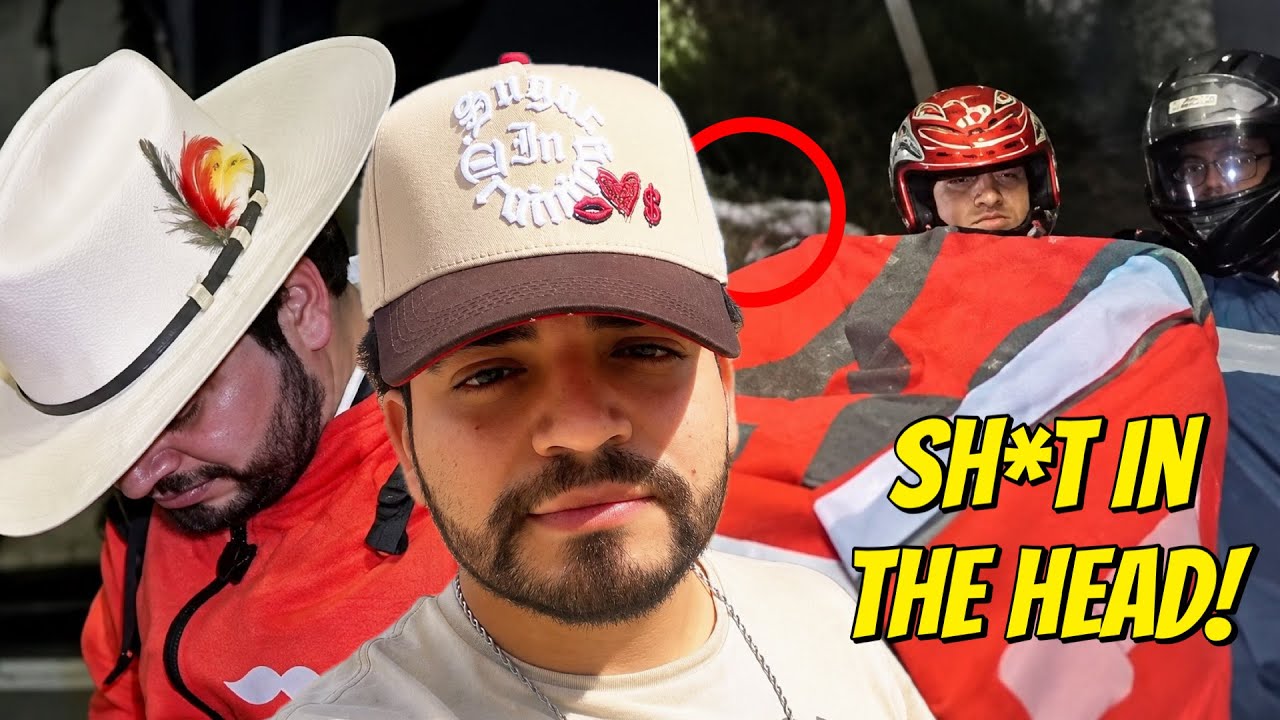 The attackers do not target the camera or the other individuals, a detail that has fueled intense speculation about the motive behind the killing.
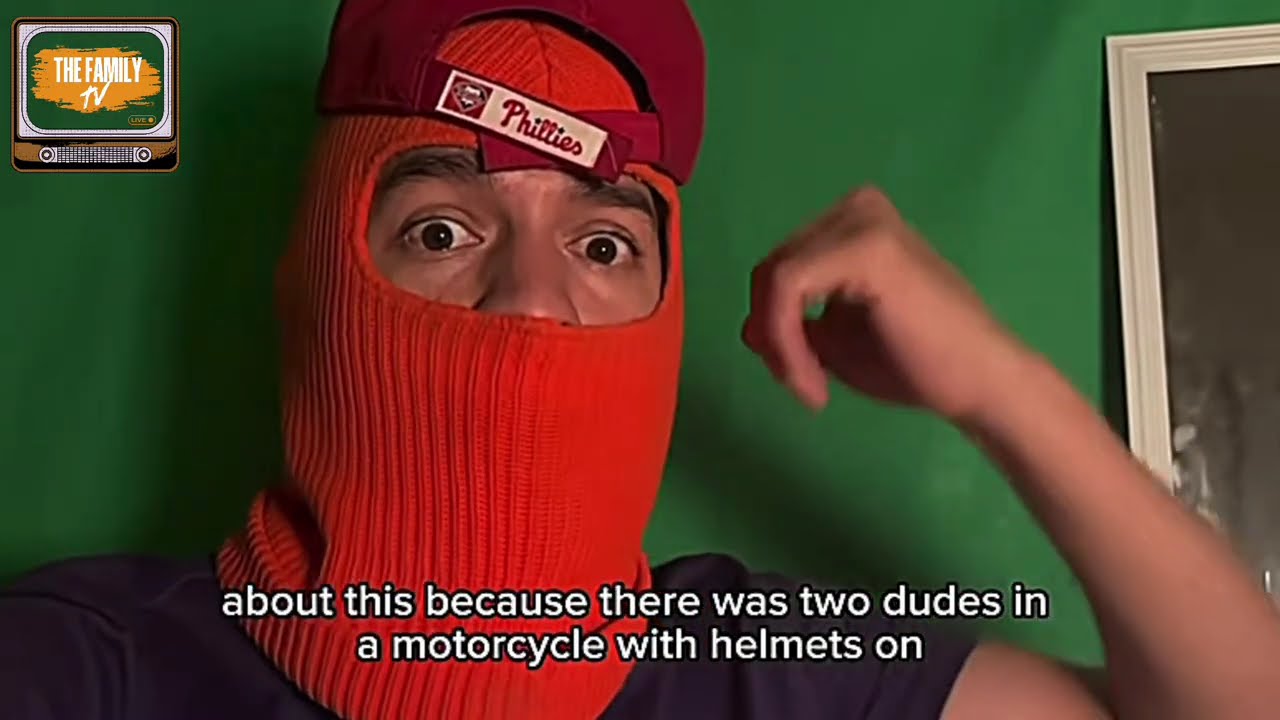
Witnesses and friends who were present during the live stream reported a chilling premonition just moments before the attack. One of Castelo’s companions noticed the two men on the motorcycle and expressed a bad feeling about them, noting that in Mexico, wearing helmets while riding is uncommon and often a sign of malicious intent. Despite this warning, the group continued their live stream, unaware that the same men would double back and open fire within seconds.
Investigators and online observers have since focused on a specific detail that may explain why Castelo was singled out: the hat he was wearing. According to multiple reports, Castelo was wearing a sombrero, a type of hat that has become a symbol of allegiance in the ongoing turf war between factions of the Sinaloa Cartel. The sombrero, particularly when adorned with specific designs or initials, is associated with the La Mayiza faction, which is loyal to Ismael “El Mayo” Zambada, one of the most powerful and elusive drug lords in Mexican history.
The Sinaloa Cartel, long considered one of the most dangerous criminal organizations in the world, has been fractured by internal conflict since the arrest of El Chapo and the subsequent rise of his sons, known as Los Chapitos. The Chapitos faction controls much of the drug trafficking routes through Culiacan and has been locked in a violent struggle with La Mayiza for dominance. In this volatile environment, even clothing choices can carry life or death consequences.
The hat Castelo wore, according to public information and social media analysis, featured elements that some observers believe signaled support for El Mayo’s faction. In a region where cartel loyalties are often displayed through symbols, wearing the wrong hat can be interpreted as a direct challenge to rival groups. The attackers, allegedly affiliated with Los Chapitos, may have viewed Castelo as a member or supporter of La Mayiza, prompting the targeted assassination.
 This theory is supported by the fact that the attackers did not harm Castelo’s friends or the camera, suggesting they had a specific target in mind. The single shot to the head, delivered with precision, indicates a professional hit rather than a random act of violence. The attackers’ decision to wear helmets also aligns with cartel tactics, as it conceals their identities and makes them harder to identify or pursue.
Castelo’s background has also come under scrutiny. Some online reports claim he had prior connections to Los Toys, a group of influencers and streamers who have been linked to cartel figures in the past. These allegations, while unconfirmed, have added another layer of complexity to the case.
If true, they suggest that Castelo may have been caught in a web of allegiances and betrayals that transcended his online persona.
The location of the attack is significant. Culiacan, the capital of Sinaloa, has been a flashpoint for cartel violence for decades. It was here that Ovidio Guzman, El Chapo’s son, was arrested twice by Mexican authorities, each time sparking massive retaliation from cartel gunmen.
 The city’s streets have seen buses set ablaze, airports shut down, and civilians caught in crossfire. For a streamer to be killed in broad daylight outside a KFC underscores the brazenness of cartel power in the region.
The Mexican government has not yet released an official statement on the motive behind Castelo’s murder. However, local authorities are reportedly investigating the possibility that the attack was linked to cartel rivalries. The U.
S. Department of Justice has previously described El Mayo as one of the most prolific and dangerous cartel leaders in the world, and his faction remains a primary target for law enforcement on both sides of the border.
The killing has sparked a wave of fear among Mexican streamers and influencers, many of whom now face heightened security risks. Figures like Wuilito and Launche, who have large followings and often film in public spaces, have been urged to increase their security details. The incident serves as a grim reminder that the line between online fame and real-world danger can be razor thin in a country where cartels enforce their own brutal codes.
 For Castelo’s family and fans, the loss is immeasurable. He was known for his comedic videos and his recent viral fame, which had brought him a measure of success and recognition. But in the end, it was a hat, a symbol of allegiance in a war he may not have fully understood, that cost him his life.
The live stream that was meant to entertain became a testament to the violence that lurks beneath the surface of everyday life in Mexico.
As the investigation continues, the question remains: will the killers be brought to justice? In a region where cartels often operate with impunity, the answer is uncertain. But one thing is clear: the death of Cesar Castelo is a stark warning to anyone who underestimates the power of symbols in a land where wearing the wrong hat can be a death sentence.
The world watched as he fell, and the silence that followed speaks volumes about the cost of living in the shadow of the cartels.


