A violent confrontation in Los Angeles over the weekend has left a Mexican streamer hospitalized after he was chased and severely beaten by members of the Crips gang, following a days-long campaign of racial harassment targeting Black Americans in Texas and California. The incident, which was partially captured on the streamer’s own live broadcast, marks a dramatic escalation in the dangerous trend of content creators using racist provocation to gain online fame. The streamer, whose identity is being withheld by this outlet to avoid granting him further notoriety, had been traveling through multiple states, including Texas and Louisiana, where he was filmed using racial slurs against Black individuals, including the N-word with a hard R, and referring to them as “chimps” in an apparent attempt to go viral.
His actions drew immediate condemnation and outrage, but also attracted the attention of the Crips, a notorious street gang with a long history in Los Angeles.
 The assault occurred on a public sidewalk in a residential neighborhood of South Los Angeles, where the streamer had set up his equipment to broadcast his latest confrontation. Witnesses reported that he had been aggressively approaching Black passersby, taunting them with inflammatory language and recording their reactions. The video transcript shows the streamer shouting, “Don’t chimp out.
Look at him chimping out. Be a good boy. You heard me.
Dumb ass,” before the situation spiraled out of control. Moments later, multiple individuals, later identified by law enforcement sources as affiliated with the Crips, surrounded him. The streamer can be heard screaming, “Yo, what the f—?
Shut your mouth up. Stop!” as the group began to physically assault him.
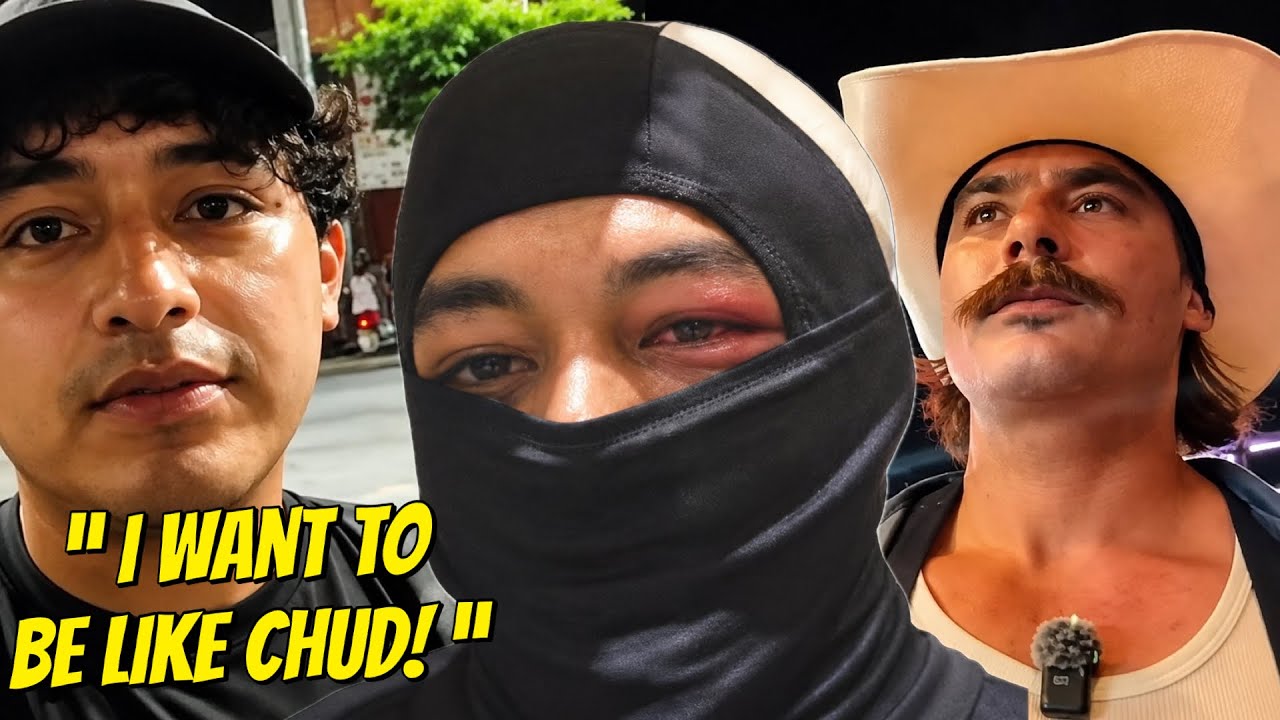
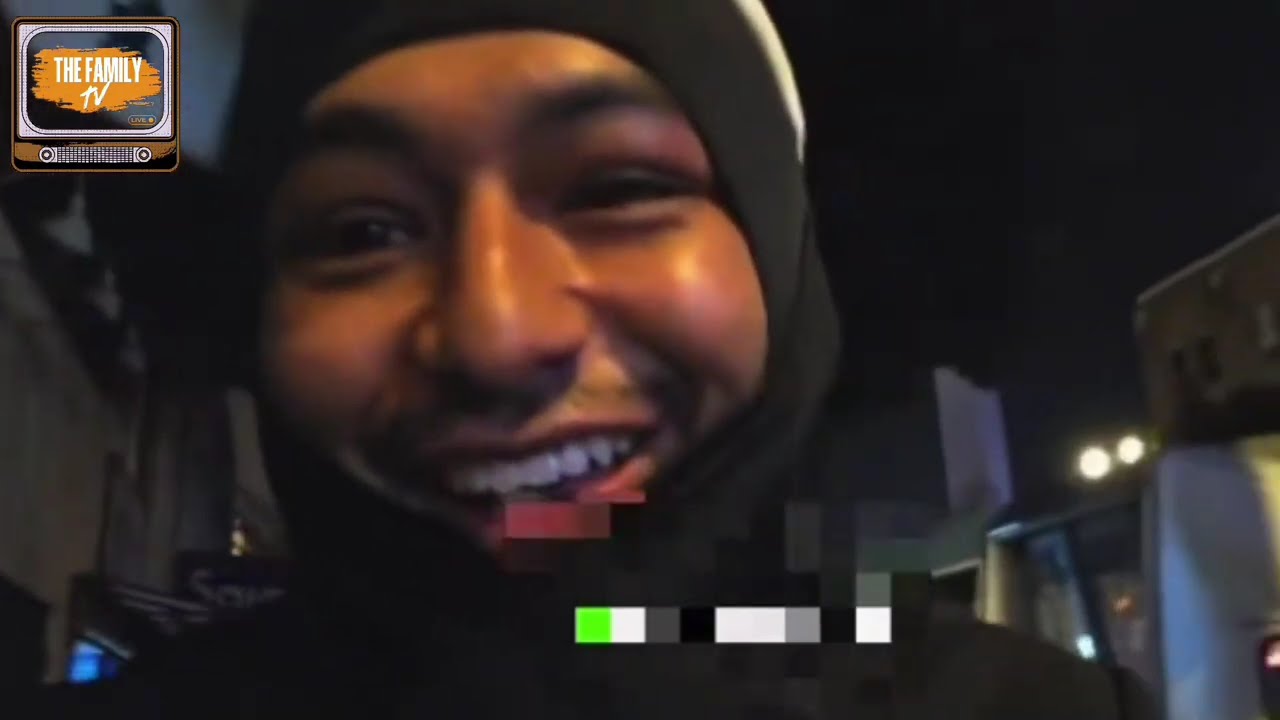
The beating was swift and brutal, leaving the streamer with visible injuries to his face and body, including swelling and bruising that he later attempted to conceal by wearing a ski mask during a subsequent online appearance.
This incident is the culmination of a disturbing pattern of behavior that has been escalating for weeks. The streamer, who had been active on platforms like Kick and Twitch, had previously been run out of Austin, Texas, after a similar confrontation where he was chased by a group of residents. He then traveled to Houston and Dallas, where he continued his harassment, but the reactions there were reportedly more hostile, forcing him to flee.
His ultimate destination was Los Angeles, where he believed he could continue his content without facing severe repercussions. However, the Crips, who have a zero-tolerance policy for racial slurs and disrespect in their territory, had been monitoring his activities online and decided to take action. A source close to the gang told this reporter, “He thought he could come here and say whatever he wanted.
We don’t play that. He got what he deserved.”
The streamer’s actions are part of a broader, troubling trend within the live-streaming community, where creators are increasingly using racist and inflammatory content to attract viewers and generate revenue. This phenomenon has been fueled by platforms like Kick, which launched in late 2022 as a competitor to Twitch and offers a 95-5 revenue split to creators, along with looser content moderation policies. Kick was founded by Benji Terani and Ed Craven, the co-founders of the crypto gambling site Stake.
com, and has been criticized for allowing streams that feature hate speech, gambling, and other controversial content. The platform’s leniency has created a haven for streamers like the one involved in this incident, who see racial provocation as a viable path to viral fame and financial gain. In the video transcript, the streamer himself acknowledged the risks, stating, “I got to switch it up for my longevity, because these clips are going viral and it’s no good, bro.
Like it’s all bad. I saw the threads. You people are calling for my death.”
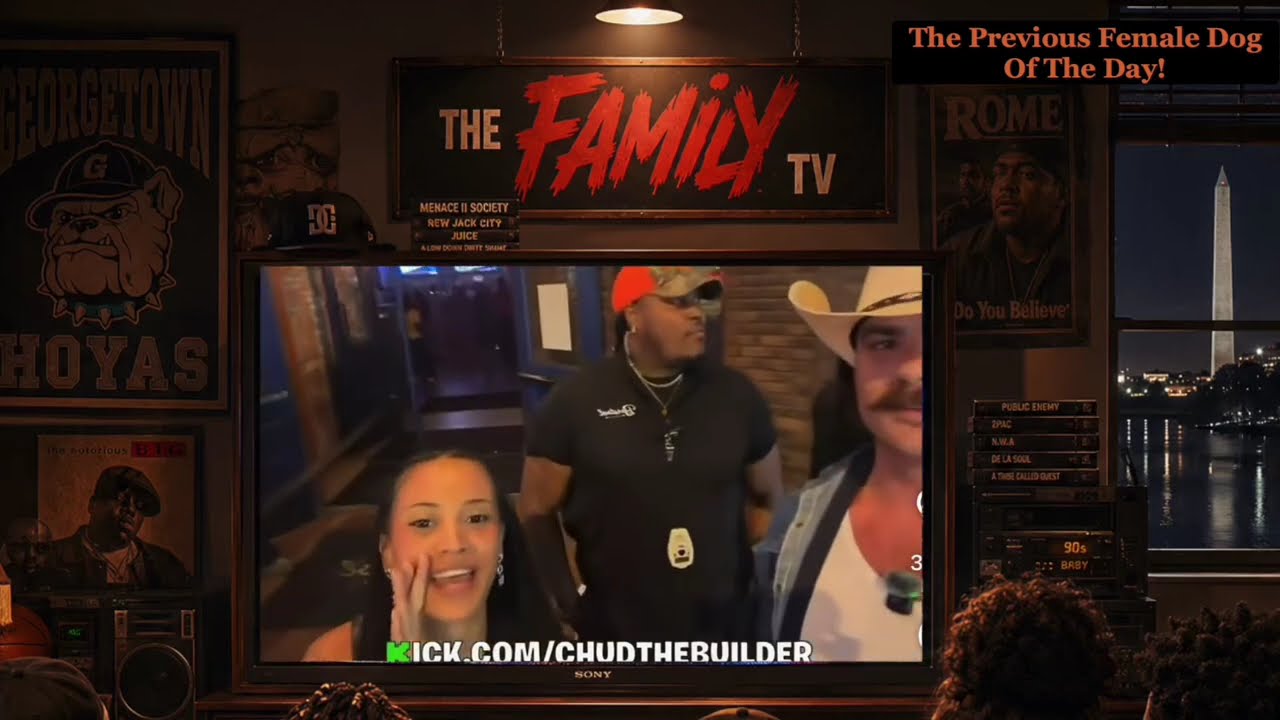 The streamer’s role model appears to be Dalton Eatherly, known online as “Chud the Builder,” who is currently incarcerated in Tennessee facing life in prison for attempted murder. Eatherly, 28, amassed a following by filming himself spewing racial slurs and provoking Black individuals, often referring to them as “chimps” and using the N-word. On May 13, 2024, outside a courthouse in Clarksville, Tennessee, Eatherly shot a Black man during a scuffle after the man confronted him over his online content.
Eatherly also accidentally shot himself in the arm during the confrontation. He was charged with attempted murder, employing a firearm during a dangerous felony, aggravated assault, and reckless endangerment with a deadly weapon. The victim was medically evacuated and is recovering in stable condition.
Eatherly’s case has become a cautionary tale, but it has also inspired copycats like the Mexican streamer, who saw the notoriety Eatherly gained and sought to replicate it.
The Los Angeles Police Department has confirmed that they are investigating the assault and are seeking to identify all individuals involved. A spokesperson stated, “We are aware of the video circulating online and are looking into the circumstances surrounding this incident. We urge anyone with information to come forward.”
However, community leaders and activists have expressed mixed reactions, with some arguing that the streamer’s actions were so egregious that the assault was a predictable outcome. “This is not a justification for violence, but it is a consequence of a system that allows hate speech to be monetized and amplified,” said Dr. Marcus Johnson, a professor of African American Studies at UCLA.
“When you dehumanize people for clicks, you are playing with fire. The streamer knew the risks, and he chose to proceed anyway.”
The streamer’s own words in the video transcript reveal a man who was acutely aware of the danger he was courting. After the beating, he hid and said, “I had to hide, guys, because I’m scared. I don’t want to get beat up.
Didn’t get beat by a black man. I mean, you know, you take some L’s. You got to differentiate yourself, bro.
That’s just how my story went.” He then added, “I do got to switch it up for my longevity, because these clips are going viral and it’s no good.” This admission suggests that even in the aftermath of the assault, his primary concern was not the harm he had caused to others, but the damage to his own brand.
This mindset is emblematic of a culture where content creation has become a zero-sum game, with creators willing to sacrifice their dignity and safety for a fleeting moment of online fame.
 The role of streaming platforms in enabling this behavior cannot be overstated. Kick, in particular, has faced intense scrutiny for its hands-off approach to content moderation. While Twitch has implemented stricter regulations against hate speech and harassment, Kick has positioned itself as a free-speech alternative, attracting creators who have been banned from other platforms.
This has created an ecosystem where racist streamers can thrive, as long as they generate engagement and revenue. The platform’s 95-5 revenue split is a powerful incentive for creators to push boundaries, and the lack of meaningful consequences for hate speech has emboldened individuals like the Mexican streamer to escalate their provocations. In the video transcript, the streamer’s sponsor segment for the banking app Current, which he promotes during his broadcast, highlights the financial incentives at play.
He says, “If you ever wish payday came sooner, this might actually help. It’s a banking app called Current with a bunch of useful tools.” This monetization of hate speech is a lucrative business, and until platforms take meaningful action, it will continue to fuel such incidents.
The broader societal implications of this trend are alarming. The streamer’s actions and the violent response they provoked are a stark reminder of the deep racial tensions that persist in America. The streamer, who is Mexican, targeted Black Americans, a community that has historically faced systemic racism and violence.
His use of racial slurs and dehumanizing language tapped into a long history of oppression, and the response from the Crips, while violent, reflects a community that has been pushed to its limits. “People don’t play with us like this in America,” the video transcript states. “We have been over here 500 years with 15 generations and fought in every war to gain rights and respect.
And foreigners come here to benefit from us that made America a civil place for non-whites.” This sentiment, while controversial, underscores the frustration many Black Americans feel when they see immigrants or other groups using racial slurs with impunity, often with the protection of free speech laws.
The streamer’s case also raises questions about the role of law enforcement in addressing online hate speech. While the First Amendment protects most forms of speech, including offensive language, it does not protect incitement to violence or harassment that rises to the level of a crime. In this case, the streamer’s actions were clearly intended to provoke and intimidate, and they resulted in a violent confrontation that could have been fatal.
Law enforcement agencies have been slow to adapt to the challenges posed by live-streamed hate speech, often treating it as a free speech issue rather than a public safety concern. However, the incident in Los Angeles may force a reevaluation of this approach, as the consequences of inaction become increasingly apparent.
As the streamer recovers from his injuries, he has reportedly expressed regret for his actions, but his sincerity is questionable. In a subsequent online appearance, he wore a ski mask to hide his bruises and said, “I do got to switch it up for my longevity.” This suggests that his primary motivation remains self-preservation rather than genuine remorse.
The Crips, meanwhile, have issued a statement through a spokesperson, warning other streamers that they will face similar consequences if they attempt to bring their hate speech into gang territory. “This is a warning to anyone who thinks they can come into our neighborhood and disrespect our people,” the statement read. “We will not tolerate it.
 Next time, it might be worse.”
The incident has sparked a broader debate about the ethics of covering such stories. Some media outlets have chosen not to name the streamer, arguing that doing so would only grant him the attention he craves. Others have criticized this approach, saying that transparency is necessary to hold him accountable.
This outlet has decided to withhold his name, in line with our policy of not amplifying hate speech. However, we have provided extensive details about his actions and the consequences he faced, in the hope that this story will serve as a deterrent to others who might consider following a similar path.
The video transcript also includes a segment where the streamer compares himself to Chud the Builder, noting how his face lit up when he was compared to his role model. This admiration for a man who is now facing life in prison for attempted murder is deeply troubling, but it is also a reflection of the distorted values that pervade the streaming world. In this world, notoriety is a currency, and the line between fame and infamy has become increasingly blurred.
The streamer’s desire to emulate Chud the Builder ultimately led to his own downfall, but it is unlikely to be the last such case. As long as platforms like Kick continue to monetize hate speech, there will be a steady supply of creators willing to risk everything for a shot at viral fame.
The Los Angeles assault is a stark reminder that actions have consequences, and that the internet is not a lawless space where one can say or do anything without repercussions. The streamer learned this lesson the hard way, and his story should serve as a warning to others. However, it is also a call to action for platforms, lawmakers, and society as a whole to address the root causes of this phenomenon.
The monetization of hate speech is not just a moral issue; it is a public safety issue that demands a comprehensive response. Until that happens, we can expect to see more incidents like this one, as creators continue to push the boundaries of decency in their quest for clicks and cash.
In the aftermath of the beating, the streamer’s online followers have been divided. Some have expressed sympathy, arguing that he did not deserve to be assaulted, while others have celebrated the violence as a form of street justice. This polarization is a reflection of the broader divisions in American society, where issues of race, free speech, and accountability are increasingly contentious.
The streamer’s case is a microcosm of these larger debates, and it highlights the challenges of navigating a world where online and offline realities are increasingly intertwined.
As this story continues to develop, we will provide updates as more information becomes available. For now, the streamer remains in an undisclosed location, recovering from his injuries and contemplating his next move. Whether he will continue his career as a content creator remains to be seen, but one thing is clear: his experiment with racist provocation has ended in disaster.
The question now is whether others will learn from his mistake, or whether the lure of viral fame will prove too strong to resist. Only time will tell, but the stakes have never been higher.


