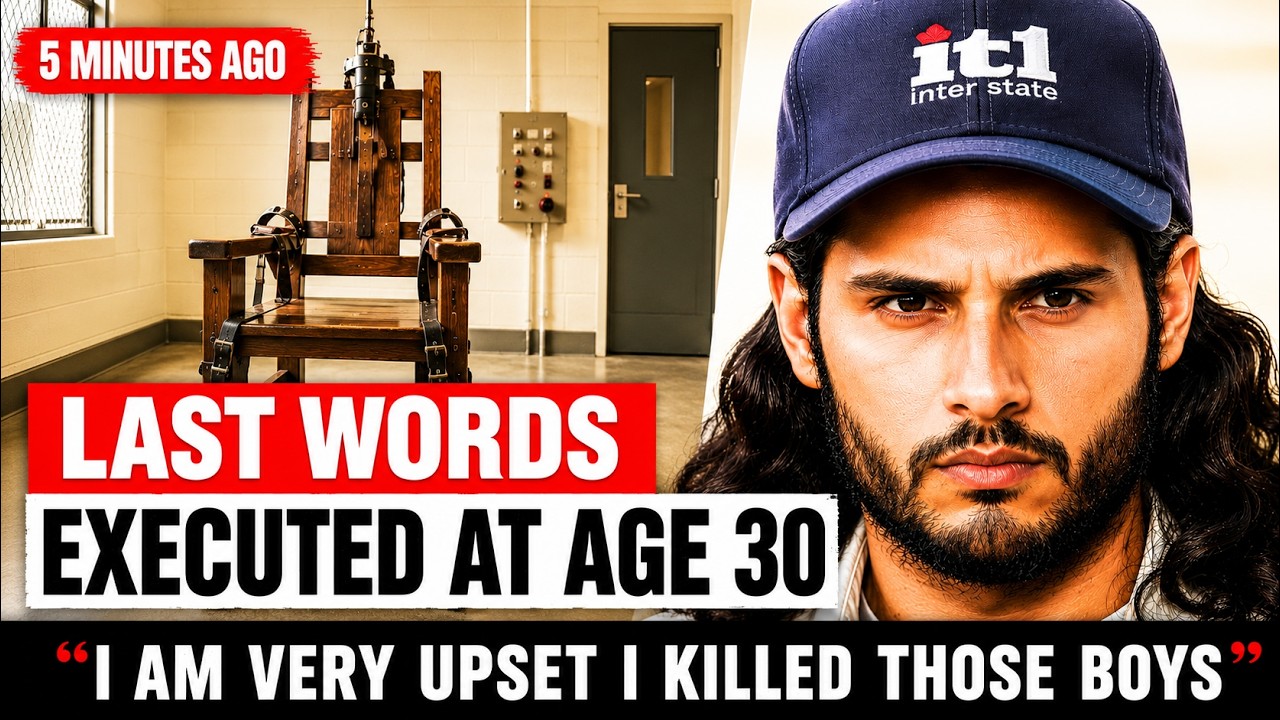
The execution machinery of the State of Texas is once again in motion for Darlie Routier, the 55-year-old woman who has spent nearly three decades on death row for the 1996 murders of her two young sons.
The state has renewed its push toward a lethal injection at the Huntsville Unit, signaling a definitive end to her legal saga. Routier was convicted of capital murder for the brutal stabbing deaths of Devon, 6, and Damon, 5, who were attacked in their family home in Rowlett, a quiet suburb east of Dallas.
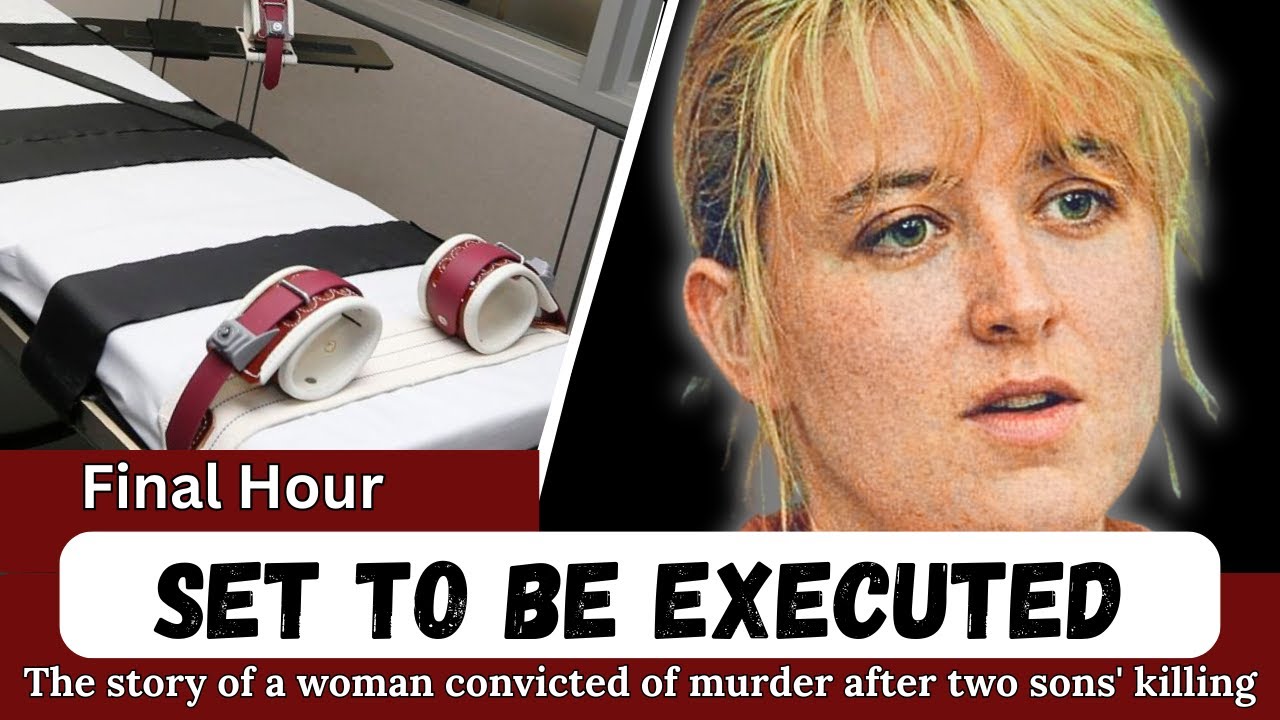 Her supporters maintain her innocence, but the legal machinery has begun to grind again as her remaining appeals face an increasingly uncertain future. The case hinges on a complex web of forensic evidence, a filmed graveside celebration that shocked the public, and lingering questions about the unknown events of that night.
The case has endured for nearly 30 years, not solely because of the horrific nature of the crime, but due to the persistent—and often conflicting—defense cases built around a botched home invasion versus a staged murder scene.
On June 6, 1996, at 2:31 a. m. , a frantic 911 call was placed from 5801 Eagle Drive.
“My babies are dying,” Routier cried, alerting dispatchers to a scene of unspeakable violence.
When officers arrived, they found 6-year-old Devon dead and 5-year-old Damon dying. They were discovered with multiple stab wounds, a vicious attack that took their lives in the family room of their home while they slept on the floor.
Routier was present and injured, with a deep, life-threatening slash across her throat and defensive wounds on her arms, yet she was alive and alert, telling a terrifying story of an intruder who had entered the home.
She claimed a 6-foot tall man in a black shirt and jeans attacked the family, then fleeing through the garage into the night, leaving the family’s peaceful suburban sanctuary stained.
The very first thing police found to corroborate the story was a cut window screen in the garage, along with a single knife discarded on the counter, which seemed to point toward a stranger’s flight.
Quickly, investigators’ initial suspicion gave way to a darker theory as they dissected the scene, realizing they had found a crime scene that had been carefully orchestrated rather than one left behind by a desperate attacker.
 They noted the absence of blood in the garage and in the flight path there were no drops, and crucially, the dusty window sills were untouched, contradicting the narrative. The mulch outside was pristine, disturbed by no fleeing man.
Forensic analysts found telltale indicators of a staged break-in: the blood on the floor was all deposited in a stationary pattern, not moving in a chase. Luminol revealed the killer’s own blood trail leading to the kitchen sink.
The public’s image, however, was sealed eight days after the murder when Channel 5, a local news outlet, captured silently vivid footage of Routier at her sons’ grave site, laughing and spraying commemorative silly string.
She was observed smiling, chewing gum, and seeming jubilantly detached while Tony Roust, her husband, stood apart with his head down, drowning in a still, solemn grief.
The jury later heard the video played on a loop. It became the emotional weight of the entire trial, overshadowing the scientific arguments of physical evidence. It convinced many the botched was the correct portrait.
But advocates for the newly convicted killer contest that the video’s full story was cinematic; it depicted a distinct moment of grief and remembrance. They allege the vital context—the initial tears and prayer—were omitted from the public eye to fit the media narrative.
In January 1997, the trial moved to conservative Kerrville to bypass Dallas County’s tragic media saturation. The prosecution’s strategy, spearheaded by Greg Davis, zeroed in on the weight of the video in the context.
Prosecutors argued that the glare of financial pressure and self- absorbed nature destroyed her inheritance. The day before the murders, the family had been denied a $5,000 loan required for a weekly vacation, leading to a stress accumulation.
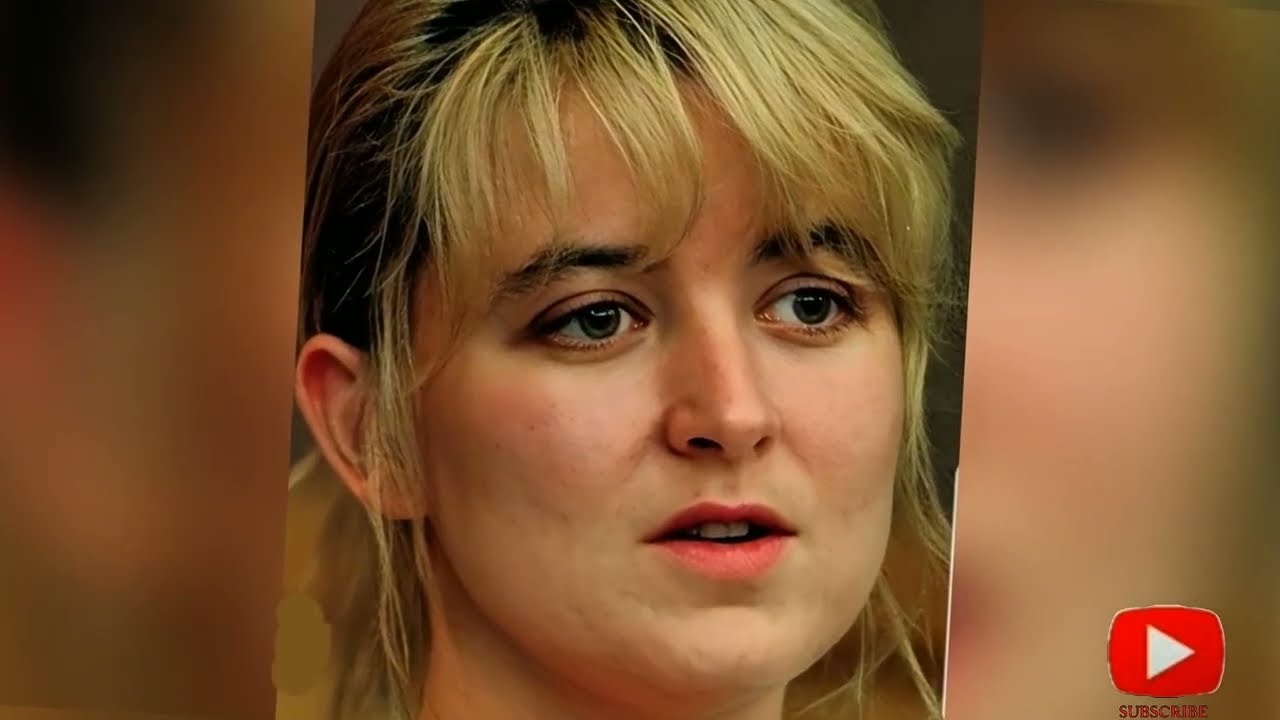 The defense pointed to the lack of solid scientific evidence, asking why a mother would kill two sons when a third child slept upstairs, leaving the lone witness behind alive, to return repeatedly.
They highlighted the police note that a $800,000 policy existed on husband Darren, one not taken by the killer. The defense insisted the arterial injury she sustained was no casual wound; it was a marker of a violent struggle, not a self-inflicted act.
But the jury went against the defense, convicting the mother. A key is that juries would refuse to put their seat in the back of the warehouse.
Men handling the case called the verdict a result of the grotesque display at the cemetery consistent with a guilty-intent mindset not of a grieving mother.
Now, the state of Texas has scheduled a further hearing, re-issuing a legal pathway that leaves a death date in sight, though none has been formally set as the admitting process begins.
Routier’s legal team is scrambling for additional DNA tests, especially from a bloodied sock found 75 yards from the house, which contained only the boys’ blood—a critical point to the defense.
The route was taken by the court of criminal appeals for review of several specific forensic and legal claims, including whether she had a competent attorney who was missing vital exculpatory evidence from her original trial.
A judge in 2024 signed off on further DNA testing, though the results remain pending. The county strategy facing vacant, state agencies have been determined by the state’s ever-efficient criminal justice practice.
 Routier, who has been kept in Gatesville, hasn’t hugged her son, Drake, since he was 7 months old. He now carries the names of his victims on his arm, calls a solid supporter of his mother’s release.
The push to stop the transition from death row potentially means approaching a state that has not executed a woman since 1998. This is a fact that provides no comfort to the one.
An execution roll is the only state where a full form of the convicting case will be seen again; Darlie must watch face cannot.
Does argued whether any reasonable juror could be persuaded that a 26-year-old woman, hemorrhaging from a cut near her carotid, could have mounted a battle of this magnitude and still attract up a functioning ruse in the third hour of dawn.
But the damning image of a parent spraying aerosol at the grave of the visibly expressive, void of any grief, remains an emotional blob that no forensic proof on ones can fully overcome.
That’s what the jury likely saw. That’s what they saw as the real vitriol and proof of a woman who cared more for her own appearance than the loss of her own son’s life.
Routier’s mother, Darlie Kee, remains at her side, quilting a tour of death row visits, waiting for the day to prove things wrong.
Meanwhile, her grandchildren lie in headstones, right with soil by the “happy birthday” plane overhead, captured on that infamous tape, kept alive by a frantic piece of videotape that defines the case.