NASA’s Artemis 3 Rocket: Taking Shape for 2027 Lunar Landers Test Flight
NASA’s Artemis program continues to make progress as the space agency prepares for its next groundbreaking mission to the Moon. Less than a month after the successful splashdown of Artemis 2, which completed its historic lunar flyby, NASA is already moving forward with preparations for Artemis 3. This next mission, targeted for a late 2027 launch, will play a crucial role in testing lunar landers and other mission components that will eventually carry astronauts back to the Moon and, ultimately, to Mars.
The Rise of the Artemis 3 Rocket
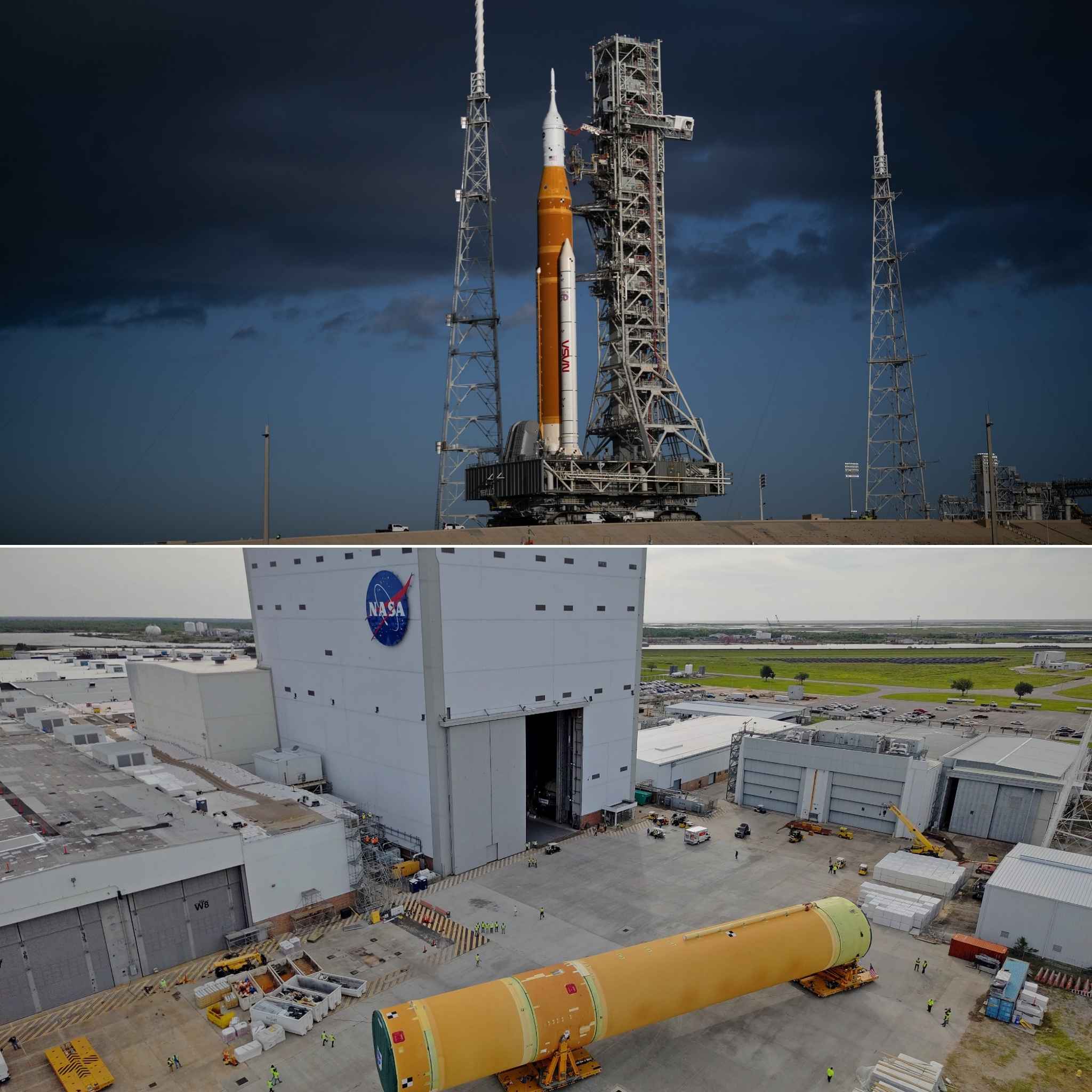
On May 10, 2026, NASA shared exciting news: the first stage of the Artemis 3 Space Launch System (SLS) rocket is now vertical inside the Vehicle Assembly Building (VAB) at the Kennedy Space Center (KSC) in Florida. This is a major milestone for the space agency, as it marks the start of the final integration steps for the rocket, which will carry humans back to the lunar surface in future missions.

Technicians have completed the lift of the largest section of the rocket’s core stage, which is now awaiting integration with its engine section. The rocket’s four powerful RS-25 engines will be attached soon. Once this is done, the core stage will be moved to High Bay 3, a taller section of the VAB, where engineers will complete the assembly by attaching the remaining sections of the SLS rocket. The fully assembled rocket will then be ready for a crucial test flight.
What Is the Artemis 3 Mission?
The Artemis 3 mission is expected to be a key test flight for NASA’s Orion spacecraft, as well as its upcoming lunar landers. Initially, Artemis 3 was meant to be the first crewed lunar landing of the Artemis program, but delays in the development of the lunar landers have led NASA to shift the mission’s objectives. Instead of landing on the Moon, the Artemis 3 astronauts will stay in Earth’s orbit, where they will rendezvous with the selected lunar landers for proximity and docking maneuvers.
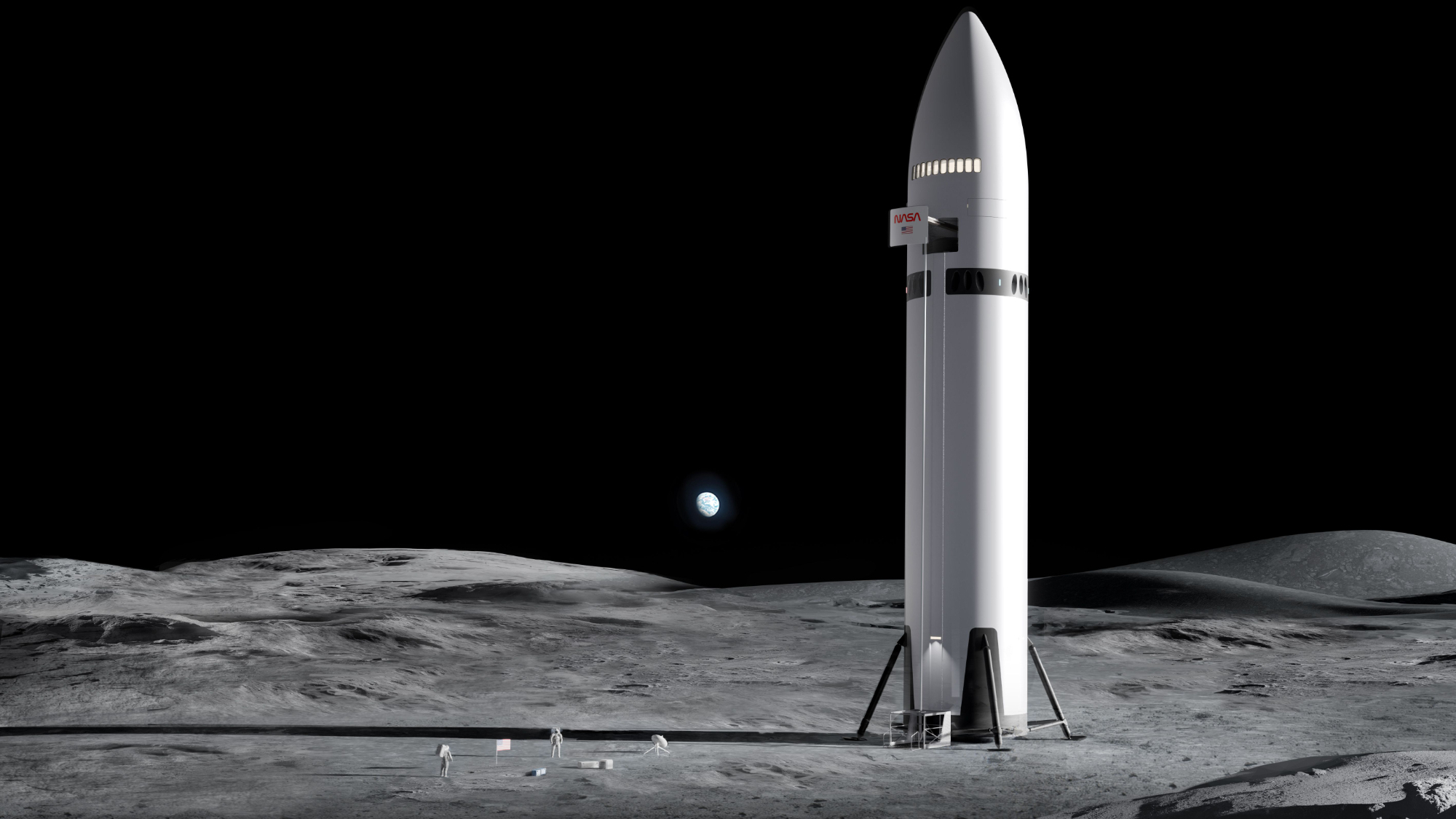
This delay is due to the ongoing development of SpaceX’s Starship vehicle and Blue Origin’s Blue Moon lander, which were chosen through NASA’s Human Landing System contracts. These landers are integral to safely delivering astronauts to the lunar surface, but they are still undergoing qualification testing.
NASA plans for Artemis 3 to test both landers in Earth’s orbit to ensure they are ready for future missions. If both Starship and Blue Moon meet the necessary requirements, Artemis 3 will demonstrate uncrewed lunar touchdowns as part of the mission’s objectives. The test will be critical in determining which lander will be used for the first crewed lunar landing under Artemis 4.
The Road Ahead: Artemis 4 and Beyond
Artemis 3 will be a pivotal mission in proving the functionality of NASA’s lunar landers. If the tests are successful, Artemis 4, slated for 2028, will become the program’s first crewed Moon landing. SpaceX’s Starship is currently contracted to carry astronauts to the lunar surface, but NASA will also assess Blue Origin’s Blue Moon lander based on the results of the Artemis 3 test.
The success of Artemis 3 and the landers will set the stage for the long-term goal of establishing a permanent human presence on the Moon. NASA’s ultimate objective is to build a sustainable base at the lunar south pole by the early 2030s, enabling future missions to Mars and beyond.

Timeline and Challenges
The production and testing of Artemis 3’s components are dependent on the progress made with the rocket’s various stages. The assembly process for Artemis 2 took about a year, but the timeline for Artemis 3 will depend on the readiness of the spacecraft and the landers. NASA aims to launch Artemis 3 in late 2027, provided that at least one lander is ready for testing by that time.
Artemis 3 will be another important milestone for NASA as it pushes forward in the Artemis program’s mission to return humans to the Moon. With the goal of laying the groundwork for humanity’s future exploration of Mars, this mission will help NASA gather the knowledge and data needed to ensure the safety and sustainability of long-term space travel.
The Future of the Artemis Program
NASA’s Artemis program is more than just a series of missions; it’s a bold vision for the future of space exploration. Artemis 3 will test vital components of the program, ensuring that the landers, spacecraft, and mission technology can function together to achieve success in future lunar missions. With the Moon serving as a stepping stone, NASA’s goal is to prepare for the next giant leap — a manned mission to Mars in the coming decades.
As the rocket for Artemis 3 begins to take shape and the agency moves closer to launching the mission, NASA’s Artemis program is poised to reshape the future of space exploration for generations to come.