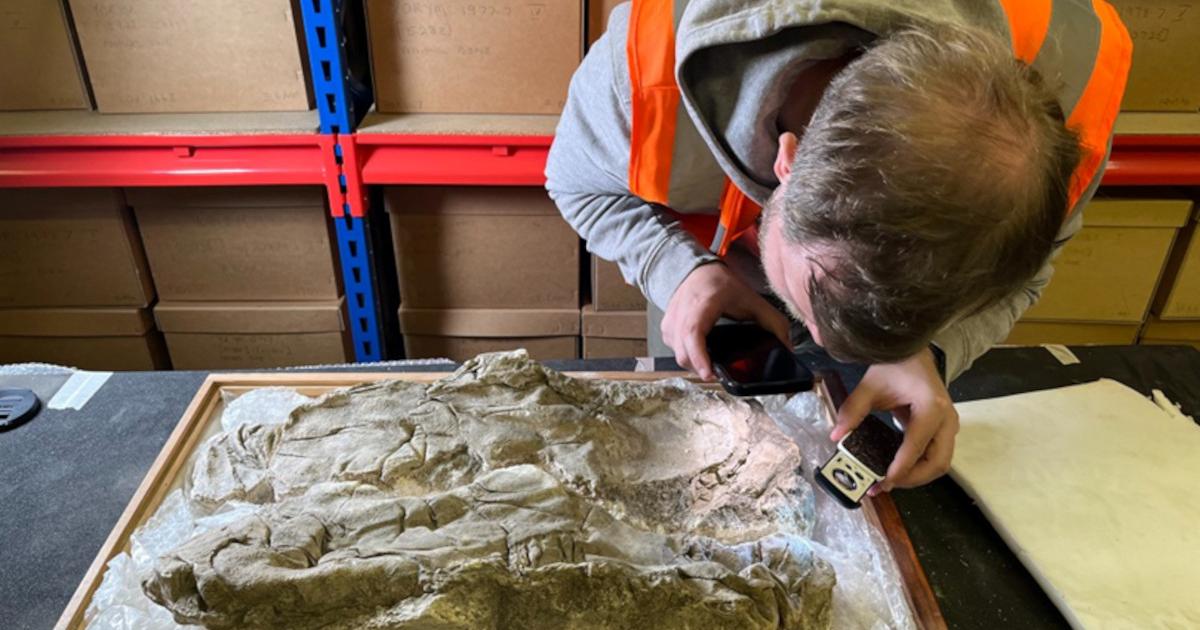
 Archaeologists in England have uncovered extraordinary evidence that even the youngest members of Roman high society were honored with immense luxury in death.
Researchers studying ancient infant burials in York discovered traces of the legendary Tyrian purple dye — one of the most expensive substances in the ancient world — woven into burial textiles dating back nearly 1,700 years.
The discovery marks the first confirmed identification of Tyrian purple on Roman textile remains found in York and is reshaping historians’ understanding of Roman funerary customs, especially concerning children.
Experts say the find reveals not only the immense wealth of certain families in Roman Britain, but also the emotional importance placed on infants despite the harsh realities of child mortality in antiquity.
A Color Worth More Than Gold
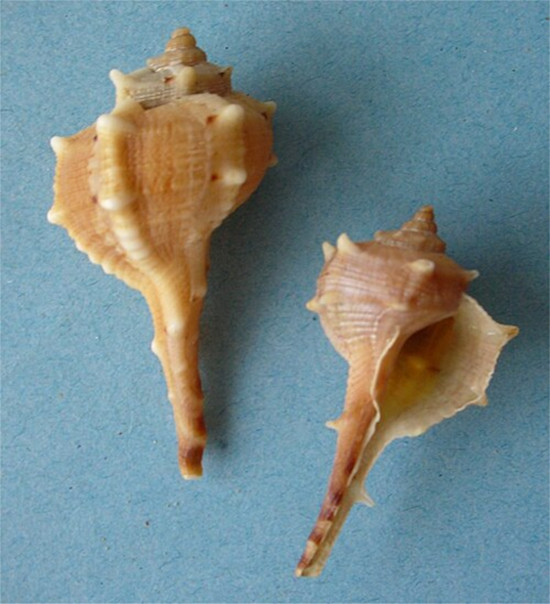
Known in antiquity as “imperial purple,” Tyrian purple was one of the rarest and most prestigious dyes in the Roman world.
The color was produced through an extraordinarily labor-intensive process involving thousands of crushed marine molluscs known as murex snails. Developed centuries earlier by the Phoenicians in the ancient city of Tyre, the dye became strongly associated with emperors, royalty, and the highest aristocracy.
Historians estimate that Tyrian purple could be worth several times more than gold by weight.
The newly discovered traces were identified by researchers from the University of York as part of the “Seeing the Dead” project, which examines Roman burial practices in Britain.
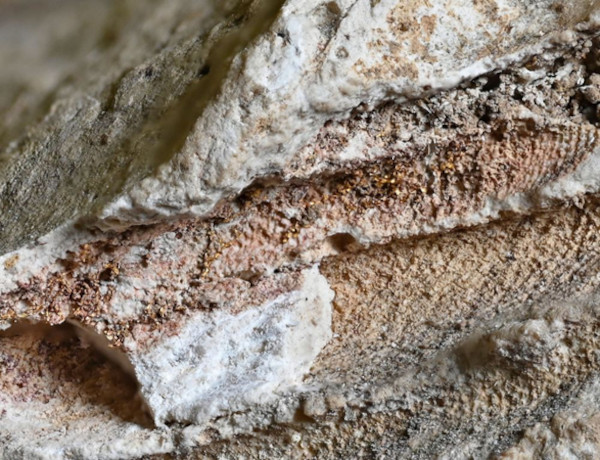
Chemical analysis revealed residues of 6,6-dibromoindigo — the accepted biomarker for ancient Tyrian purple dye — on textile remains preserved inside gypsum burials.
Researchers also identified traces of gold thread woven into the fabric, further emphasizing the exceptional status of the individuals buried there.
Lavish Burials for Roman Infants
The purple textiles were found in the burials of two infants dating to the late third or early fourth century AD.
One child had been buried alongside two adults inside a stone coffin, while the second infant was interred in a lead coffin — itself a sign of considerable wealth.
The fabrics survived because of a distinctive Roman burial practice in which liquid gypsum was poured over clothed bodies before hardening into a protective casing. This unusual process preserved textile impressions and chemical traces for nearly two millennia.
Professor Maureen Carroll, director of the project at the University of York’s Department of Archaeology, described the discovery as deeply significant.
According to Carroll, the lavish burial treatment demonstrates the importance families placed on their children even during periods when infant mortality was tragically common.
 Challenging Old Assumptions About Roman Grief
For many years, historians believed Roman society discouraged emotional mourning for infants due to the high rate of child mortality.
Ancient Roman legal traditions and social customs often restricted public mourning rituals for babies who died very young. As many as three in ten infants may not have survived their first year.
However, discoveries like the York burials are increasingly challenging that assumption.
Researchers say the use of extraordinarily expensive Tyrian purple cloth for infants only a few months old reflects profound grief and a desire to honor the children with the highest symbols of status and care available.
Dr. Jennifer Wakefield, who led the scientific analysis, explained that while the purple traces were not always visible to the naked eye, advanced laboratory testing confirmed the presence of the rare dye.
Roman York’s Connection to Imperial Luxury
During the Roman period, Eboracum — modern-day York — was one of the most important cities in Roman Britain and frequently served as a military and administrative center.
The discovery confirms that wealthy residents of the city had access to luxury imports and elite fashions connected to the wider Roman Empire.
Until now, only a handful of similarly luxurious Roman textile burials had been identified in Britain, including the famous Spitalfields burial in London.
Researchers believe additional excavations and scientific testing across York and North Yorkshire may reveal even more evidence of elite Roman funerary practices hidden beneath the region’s ancient burial grounds.