In recent years, headlines claiming that massive numbers of Iranians are converting from Islam to Christianity have spread rapidly across social media, often accompanied by dramatic phrases like “Jesus Revolution” or “Iran shocked by Christian growth.” While many of these viral claims are heavily exaggerated, researchers, religious organizations, and independent surveys do suggest that Iran may be experiencing significant religious changes beneath the surface of one of the world’s most strictly Islamic governments.

For decades, Iran has officially presented itself as an Islamic republic governed by religious law. Public conversion away from Islam remains highly sensitive, and people who openly leave the faith can face serious social, legal, and political consequences. Because of these restrictions, accurately measuring religious belief inside Iran is extremely difficult. Still, several independent studies and reports over the last few years suggest that growing numbers of Iranians — especially younger generations — are becoming disillusioned with state-controlled religion.
One of the most widely discussed surveys came from the Netherlands-based research group GAMAAN, which collected anonymous responses from tens of thousands of Iranians online. The study suggested that a significant percentage of participants identified as secular, atheist, spiritual, or belonging to religions other than Islam. Although the survey did not prove mass conversion to Christianity specifically, it reinforced the idea that Iran’s religious landscape may be changing far more rapidly than official government statistics indicate.
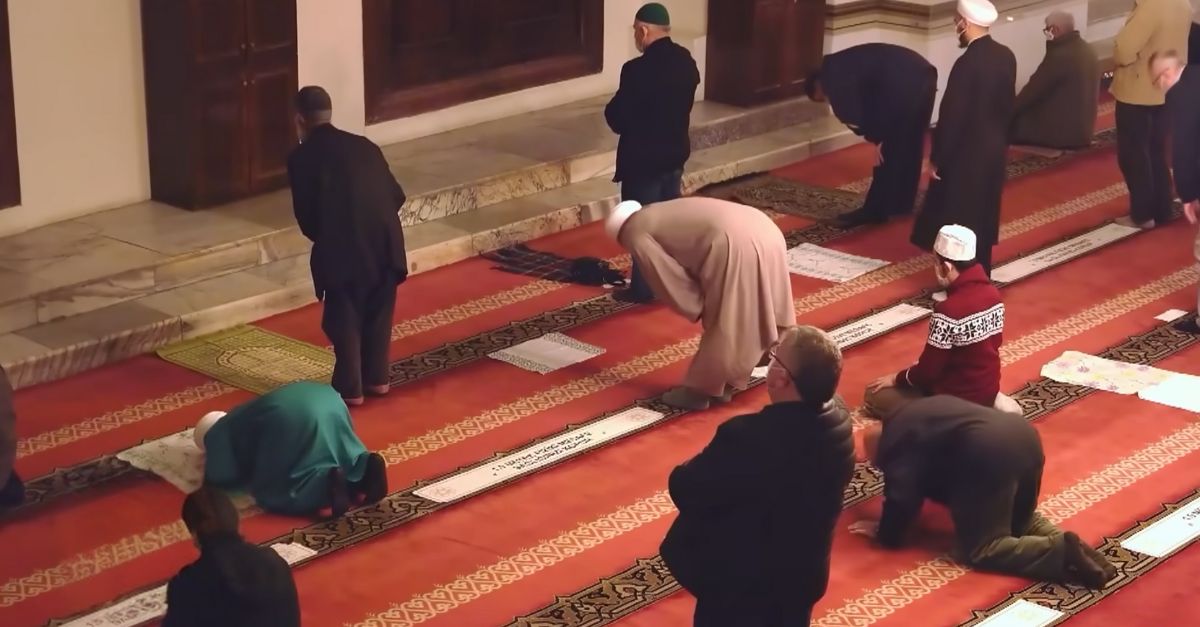
At the same time, Christian organizations and missionaries have reported growth in underground house churches and secret Christian communities inside Iran. Some evangelical groups even describe Iran as one of the fastest-growing Christian movements in the world, though exact numbers remain impossible to verify independently. Experts caution that estimates ranging from hundreds of thousands to “millions” of converts are often speculative and may reflect religious advocacy rather than confirmed demographic data.
Many analysts believe the rise in interest toward Christianity in Iran is connected less to Western influence and more to frustration with political and economic conditions under religious rule. Younger Iranians increasingly use the internet, satellite television, and encrypted communication platforms to explore alternative ideas, spiritual beliefs, and global culture outside government control. In this environment, some people become interested in Christianity, while others move toward secularism or abandon organized religion altogether.
Historians also note that Christianity has existed in Persia — modern-day Iran — for nearly 2,000 years. Ancient Christian communities, including Armenian and Assyrian churches, have long been part of the region’s history. What appears to be changing today is not the presence of Christianity itself, but rather the growing visibility of personal religious questioning inside a country where open dissent about faith can carry enormous risks.
Despite sensational internet headlines, there is currently no verified evidence proving that “one million Muslims converted to Christianity” in a sudden nationwide movement. However, available research does suggest that Iran may be experiencing a deeper cultural and spiritual transformation that extends beyond traditional religious boundaries. Whether through Christianity, secularism, or private forms of belief, many Iranians appear to be searching for new identities and meaning in a rapidly changing society — and that reality continues attracting attention from around the world.