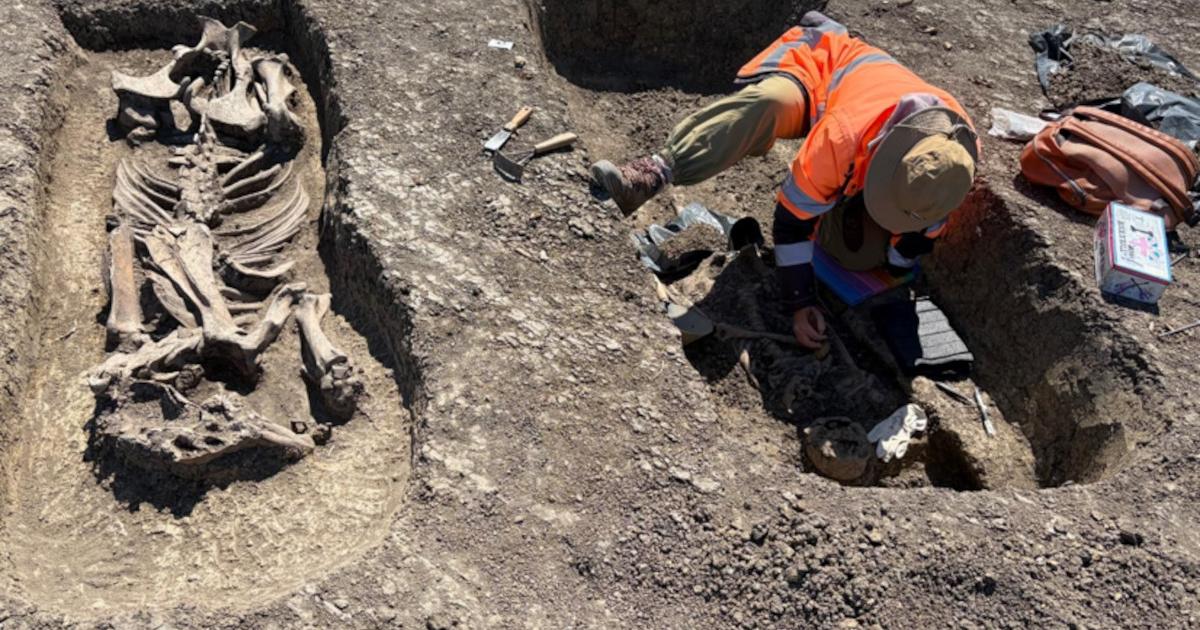
 Archaeologists in Romania have uncovered the remarkable grave of an elite Avar warrior buried alongside his horse — a discovery that is shedding new light on the powerful nomadic empire that once dominated much of Central and Eastern Europe.
The 1,400-year-old burial was discovered during excavations connected to the construction of the Timișoara West Bypass in western Romania.
Researchers say the richly furnished grave offers a rare and vivid glimpse into the military culture, social hierarchy, and spiritual beliefs of the Avars during the 6th and 7th centuries AD.
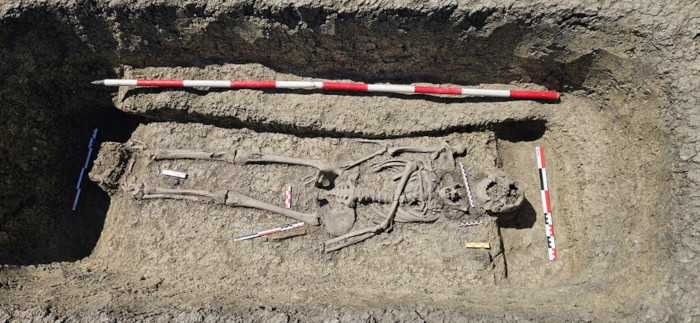 Warrior and Horse Buried Together
The most striking feature of the burial is the complete funerary pairing of the mounted warrior and his horse.
In steppe nomadic traditions, horses were far more than transportation animals — they symbolized prestige, military strength, mobility, and spiritual companionship in the afterlife.
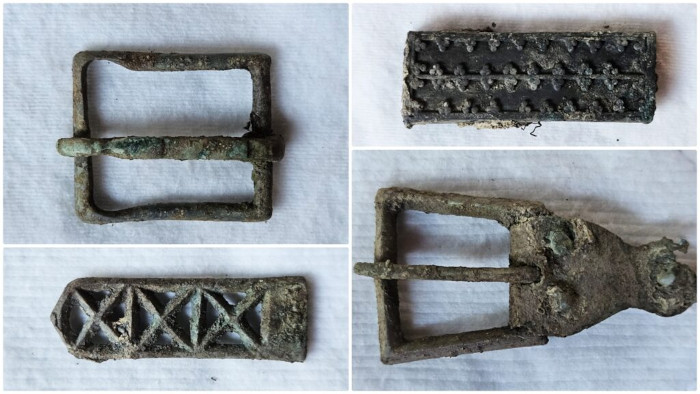
The grave also contained gold, silver, and bronze objects believed to be linked to personal adornment, riding equipment, or ceremonial dress.
Experts say the wealth of artifacts strongly suggests the man belonged to the elite warrior class of Avar society.
 The Rise of the Avar Empire
The Avars emerged in Europe during the late 6th century and rapidly established one of the most powerful political forces in the Carpathian Basin.
At the height of their influence, the Avar realm stretched across parts of modern-day Hungary, Romania, Slovakia, Austria, and Serbia.
Although the Avars left behind very few written records, archaeologists have uncovered more than 60,000 Avar-era burials across the region, making grave sites one of the most important sources for understanding their culture.
Weapons, decorated belts, horse gear, stirrups, and luxury ornaments found in these graves reveal a society where military identity and social status were deeply connected.
Ancient History Beneath Modern Roads
The discovery was made during preventive archaeological excavations conducted ahead of infrastructure development.
Researchers say projects like the Timișoara bypass frequently uncover important traces of ancient civilizations hidden beneath modern landscapes.
In addition to the Avar burial, excavations along the route also revealed Roman-era remains dating between the 2nd and 4th centuries AD, showing that the region remained strategically important across multiple historical periods.
A Window Into the Early Medieval World
Archaeologists believe the burial could provide valuable new information about the political and cultural networks that connected steppe nomads with post-Roman Europe.
The luxury artifacts found in the grave suggest the Avar elite maintained access to wide trade and diplomatic connections stretching across the continent.
Researchers are continuing conservation and laboratory analysis of the objects, which may help reveal more details about the warrior’s status, origins, and role within Avar society.
Experts say discoveries like this are essential for understanding the early medieval world — a period often poorly documented in written history but increasingly illuminated through archaeology.