 A groundbreaking archaeological study is rewriting the history of games, probability, and human social behavior after researchers identified what may be the oldest known dice ever discovered — crafted by Native American hunter-gatherers more than 12,000 years ago.
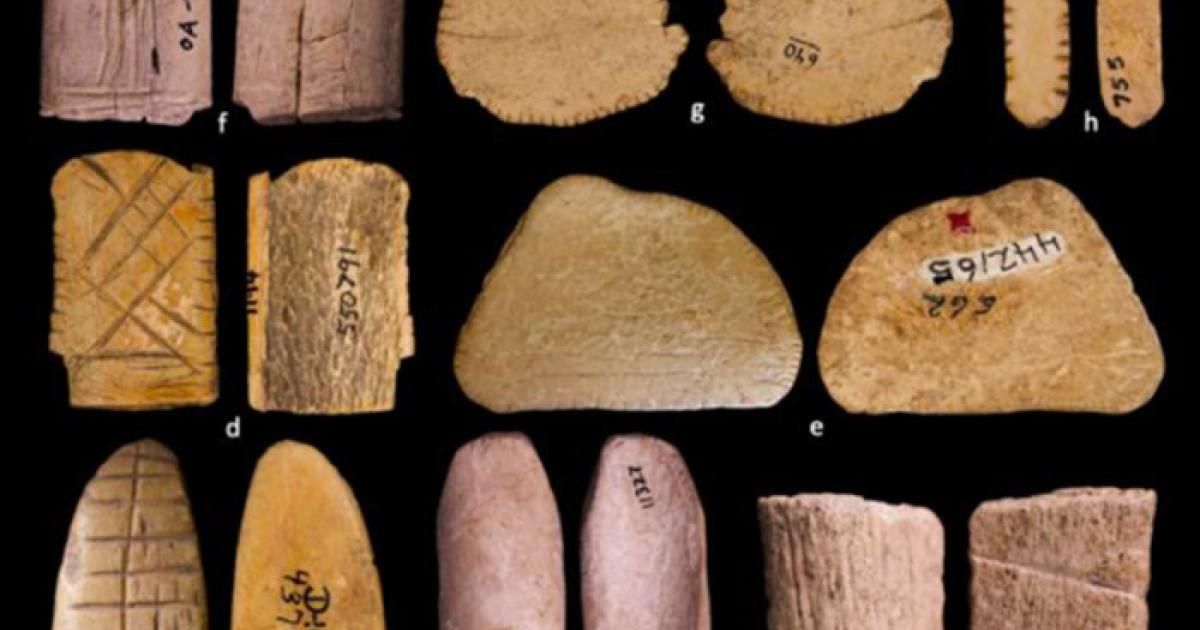
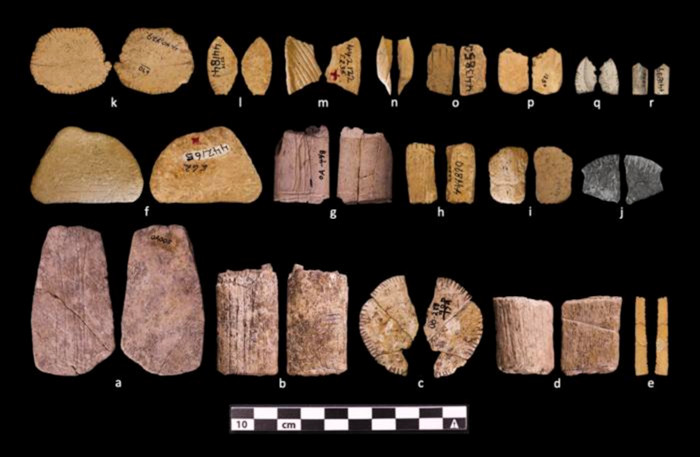
The ancient gaming pieces, uncovered at archaeological sites across Wyoming, Colorado, and New Mexico, predate the earliest known dice from Bronze Age civilizations by more than 6,000 years, according to new research published in the journal American Antiquity.
The findings suggest that people living in North America during the Ice Age were already experimenting with structured games of chance thousands of years before probability became part of written mathematics.
Ancient Dice From the Ice Age
The study was led by Colorado State University Ph.D. student Robert J. Madden, who analyzed hundreds of artifacts linked to ancient Native American gaming traditions.
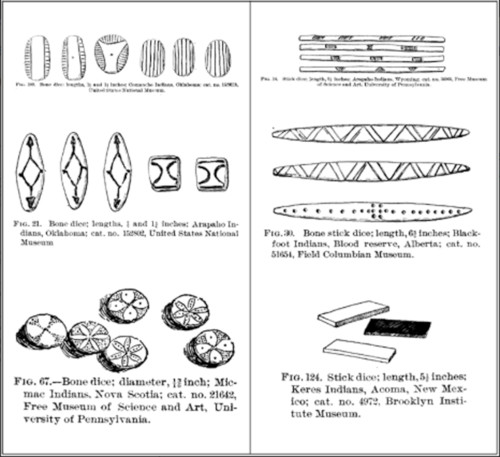
Unlike modern six-sided dice, these early objects were “binary lots” — small two-sided pieces typically crafted from bone. The pieces were oval or rectangular in shape and carefully designed so they could land on either side when tossed.
One side of each object was marked or treated differently, functioning similarly to heads or tails on a coin. Players would throw several pieces together, and the results depended on how many landed with the marked side facing upward.
According to researchers, these objects were intentionally created to generate random outcomes in organized, rule-based games.
Changing What Historians Thought About Probability
For decades, historians largely viewed dice and probability as inventions tied to ancient civilizations in the Old World, particularly Mesopotamia and the Mediterranean.
But Madden says the archaeological evidence now points to a much earlier and independent tradition in North America.
“Ancient Native American groups were deliberately making objects designed to produce random outcomes and using those outcomes in structured games thousands of years earlier than previously recognized,” Madden explained in a university statement.
The earliest examples identified in the study date to the Folsom period of the Late Pleistocene, roughly between 12,800 and 12,200 years ago — near the end of the last Ice Age.
More Than Just Entertainment
Researchers believe these games played an important role in social life among early Native American communities.
The study identified evidence of dice games at 57 archaeological sites across 12 U.S. states, revealing a tradition that lasted for thousands of years.
According to the research, these games were often played by women and helped create neutral social spaces where different groups could gather, exchange goods, share information, and build alliances.
Rather than being simple entertainment, games of chance may have served as powerful tools for communication and cooperation during a time when survival depended heavily on social relationships.
 A Deeper History of Human Thinking
While Ice Age peoples were not developing formal mathematical theories, researchers say they clearly understood patterns of randomness and repeatable outcomes.
The study argues that this represents an early form of probabilistic thinking — one that emerged long before written records or advanced civilizations.
“These findings don’t claim that Ice Age hunter-gatherers were doing formal probability theory,” Madden noted. “But they were intentionally creating and relying on random outcomes in structured ways.”
The discovery highlights the sophistication of early Native American societies and challenges outdated assumptions about intellectual innovation in prehistoric North America.
It also reveals that humanity’s fascination with luck, games, and uncertainty stretches back far deeper into history than previously believed.
Read more to explore how these tiny Ice Age artifacts may completely change the story of probability and gaming in human civilization.