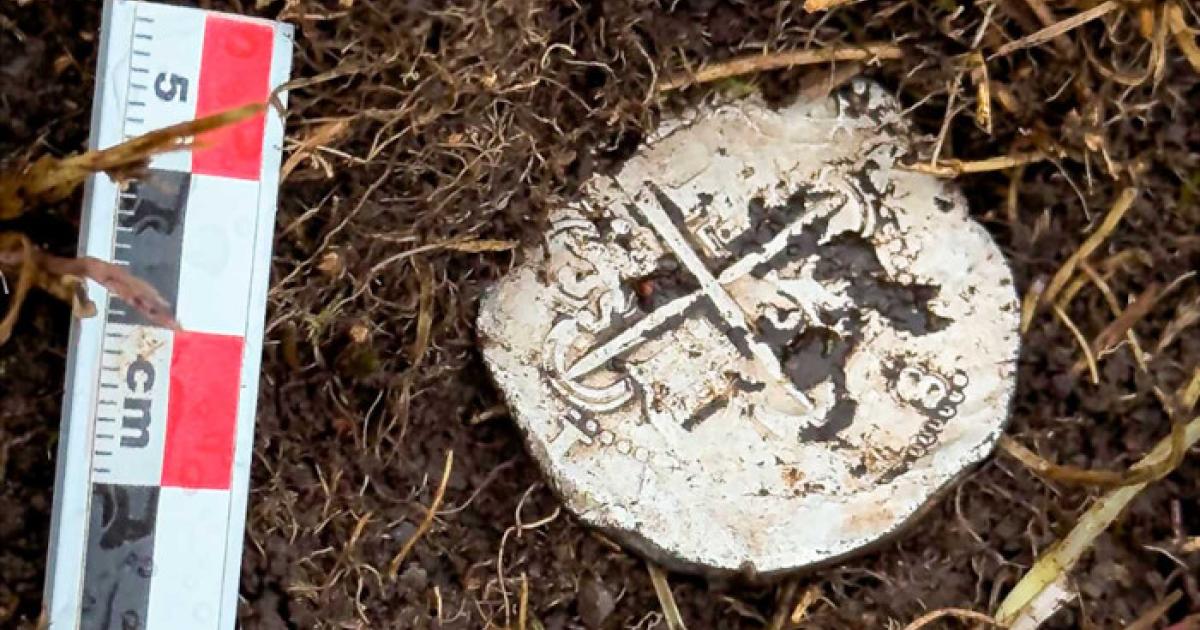
 Archaeologists investigating one of the darkest chapters of early Spanish colonization have uncovered a remarkable discovery in southern Chile — a 440-year-old silver coin that has helped confirm the exact location of the infamous “Port Famine” colony.
The coin was discovered at the site of Ciudad del Rey Don Felipe, a failed Spanish settlement established in 1584 near the Strait of Magellan. Historians believe the colony’s settlers eventually died from starvation, extreme weather, and isolation, leading the area to later become known as Puerto del Hambre — or “Port Famine.”
Researchers say the newly discovered silver coin provides powerful physical evidence linking the archaeological site directly to the tragic settlement described in historical records.
The artifact, known as a “real de a ocho” or “piece of eight,” was minted during the reign of King Philip II of Spain and was commonly used throughout the Spanish Empire during the late 16th century.
The discovery was made during excavations led by the Centro de Estudios Históricos y Humanidades, where archaeologists have been carefully investigating the remains of the colony.
Historians explain that the Strait of Magellan was considered one of the world’s most strategically important waterways during the age of exploration. After English privateers such as Sir Francis Drake successfully entered the Pacific Ocean through the strait, Spain became determined to secure the route and prevent rival powers from gaining access.
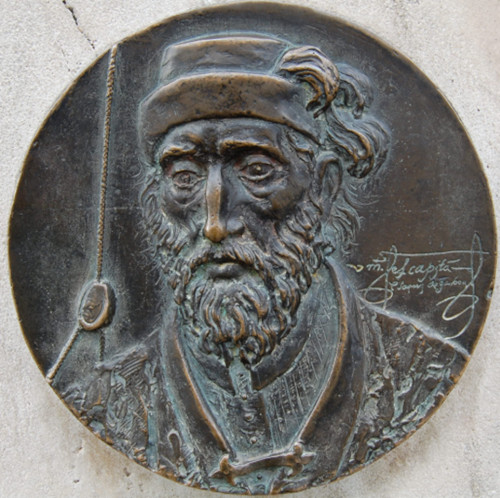
To accomplish this, King Philip II ordered Spanish navigator Pedro Sarmiento de Gamboa to establish permanent settlements and military defenses in the region.
However, the mission quickly descended into disaster.
Sarmiento’s expedition faced violent storms, shipwrecks, shortages, and desertions even before arriving in Patagonia. Despite these setbacks, two settlements were eventually founded — Nombre de Jesús and Ciudad del Rey Don Felipe.
The harsh Patagonian environment soon proved devastating for the colonists.
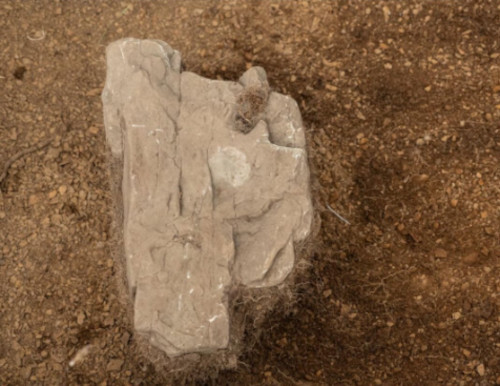
Researchers say the settlers struggled to grow food due to poor soil, freezing temperatures, and relentless winds. Supplies ran dangerously low, and isolation made survival increasingly difficult.
Sarmiento later departed the colony to seek reinforcements and supplies, but his ship was blown off course and he was eventually captured by the English, leaving the settlement abandoned.
When English explorer Thomas Cavendish reached the site in 1587, he reportedly found only a few starving survivors surrounded by ruins and unburied bodies. Horrified by the scene, Cavendish renamed the area “Port Famine,” a name that survived for centuries.
Archaeologists now believe the recently discovered silver coin may have been intentionally hidden or buried by one of the settlers during the colony’s final days.
Beyond confirming the location, the discovery is also helping researchers map the colony more accurately and better understand how the settlers attempted to survive in one of the harshest environments in the world.
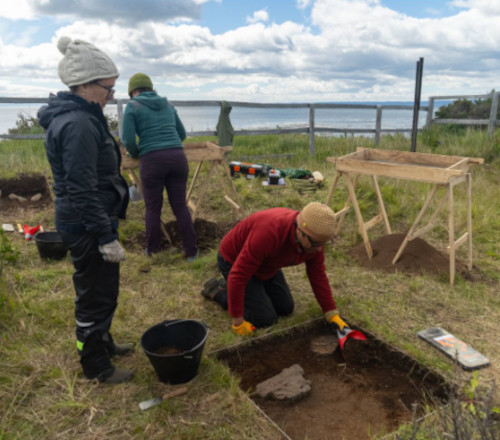
Ongoing excavations continue uncovering tools, structural remains, and personal belongings left behind by the doomed colonists, offering a rare glimpse into the brutal realities of early colonial expansion.
For researchers, the Port Famine discoveries serve as a sobering reminder of the enormous risks faced by early explorers — and how even powerful empires could be defeated by nature, distance, and poor preparation.