The Ethiopian Orthodox biblical canon includes 81 books, significantly more than the 66 books of the Protestant Bible or the 73 books of the Catholic canon, and preserves texts such as 1 Enoch and Jubilees that were excluded from most other traditions. These additional writings reflect the distinctive theological and historical development of early Christianity in Ethiopia and its connections to ancient Jewish and Christian literature.

While sensational stories sometimes circulate online claiming that the Ethiopian Bible contains “hidden” narratives about what Jesus did during the three days between His crucifixion and resurrection, mainstream scholarship emphasizes that no newly discovered manuscript has revealed previously unknown historical events. The canonical Gospels — Matthew, Mark, Luke, and John — remain the earliest and most widely recognized witnesses to those events, and Christian theology has long focused on the resurrection itself rather than providing detailed narratives of every moment in the intervening days.
That said, the broader corpus of Ethiopian Christian literature does include writings and traditions that reflect on the meaning of Jesus’ life, death, and resurrection in rich spiritual and theological terms. Some of these texts — including apocryphal works and monastic commentaries preserved in Ge’ez — emphasize Jesus’ cosmic significance and the transformative impact of His resurrection on believers’ hearts and lives. They often frame resurrection not just as a past event but as a living reality inviting personal renewal and deeper communion with God.
For example, certain Ethiopian texts explore Jesus’ teachings in ways that stress inner transformation, humility, and spiritual growth, themes that were important in early Christian thought and remain central to Ethiopian spirituality. These writings should be understood as theological reflections and devotional expressions shaped by centuries of Christian tradition, rather than as literal historical accounts writing new facts about Jesus’ life.
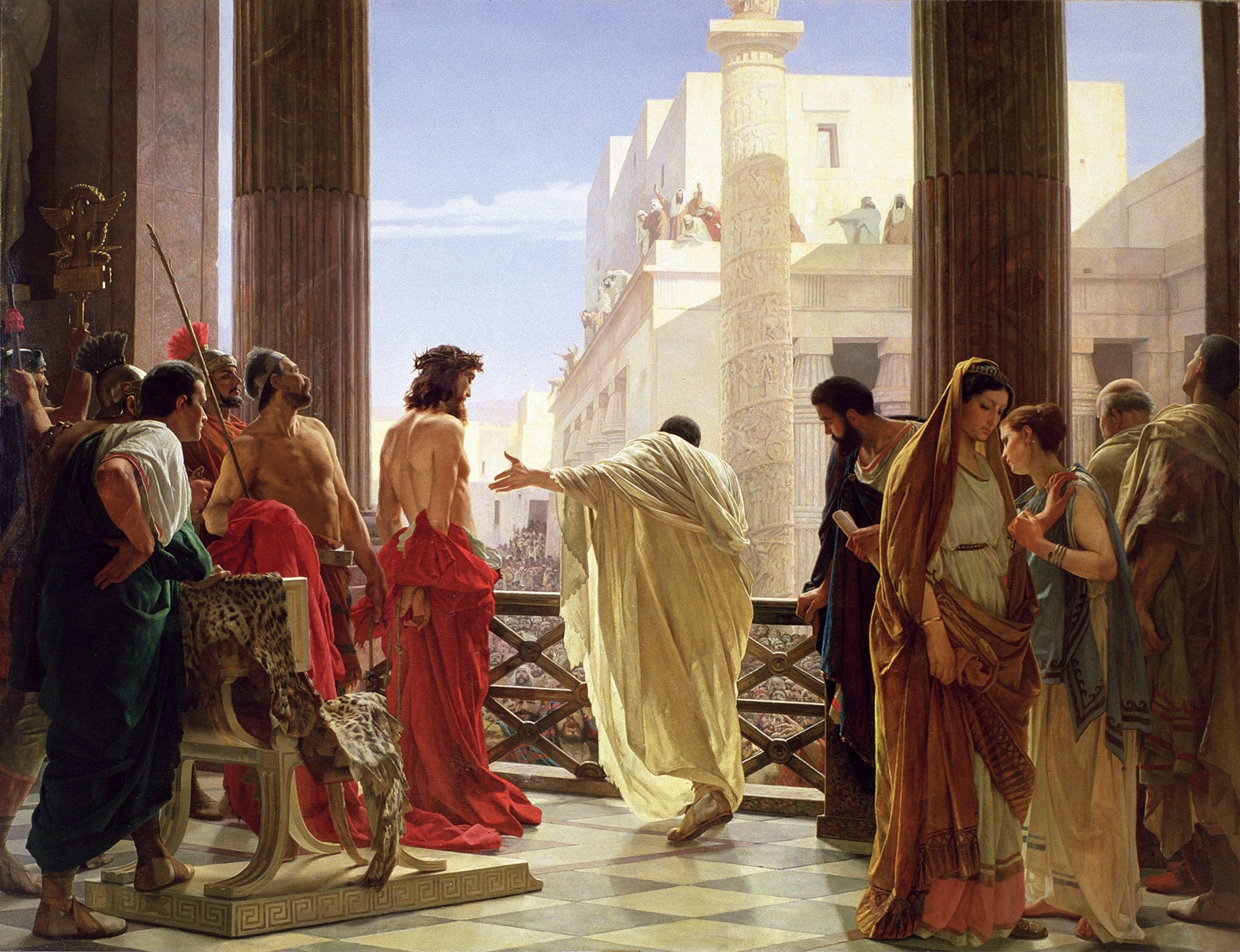
It’s also important to distinguish between the canonical resurrection narrative, which is well attested in the New Testament and forms the foundation of Christian belief worldwide, and later extra‑canonical or apocryphal writings, which developed as communities reflected on the meaning of Jesus’ life and teachings in their own cultural contexts. The Ethiopian Church’s preservation of ancient texts offers scholars a broader view of how early believers engaged with these themes, but it does not overturn or replace the established Gospel accounts.
In summary, while the Ethiopian biblical tradition provides valuable insight into early Christian theology and the spiritual significance of the resurrection, there is no verified new historical record detailing specific activities of Jesus during the three days between His death and resurrection beyond what the canonical Gospels describe. The richness of Ethiopia’s scriptural heritage instead deepens understanding of how early Christians interpreted and lived out their faith across centuries.