King Charles III and Queen Camilla may soon find themselves navigating one of the most symbolic scheduling challenges of the year — balancing a deeply personal family celebration with one of Britain’s most prestigious royal traditions.
According to an announcement from The Jockey Club, the King and Queen are expected to attend the iconic Betfred Derby Day at Epsom Downs Racecourse on June 6, continuing a long-standing royal association with one of the world’s most celebrated horse racing events. Yet the same day also marks a significant milestone within the royal family: the wedding of Peter Phillips, King Charles’ nephew, and Harriet Sperling.
At first glance, the overlap appears problematic. Peter Phillips, the son of Princess Anne and the late Queen Elizabeth II’s eldest grandson, is set to marry NHS nurse Harriet Sperling at All Saints’ Church in Kemble, Gloucestershire. Meanwhile, Derby Day festivities will unfold nearly 100 miles away in Surrey.
However, royal insiders believe the King could realistically attend both events. With the wedding expected to take place earlier in the day and the headline Derby race scheduled for approximately 4 p.m. local time, careful planning could allow Charles and Camilla to honor family obligations before stepping into their official public roles.
Why Derby Day Matters So Much to the Royal Family
The potential scheduling conflict highlights just how important horse racing remains to the British monarchy.
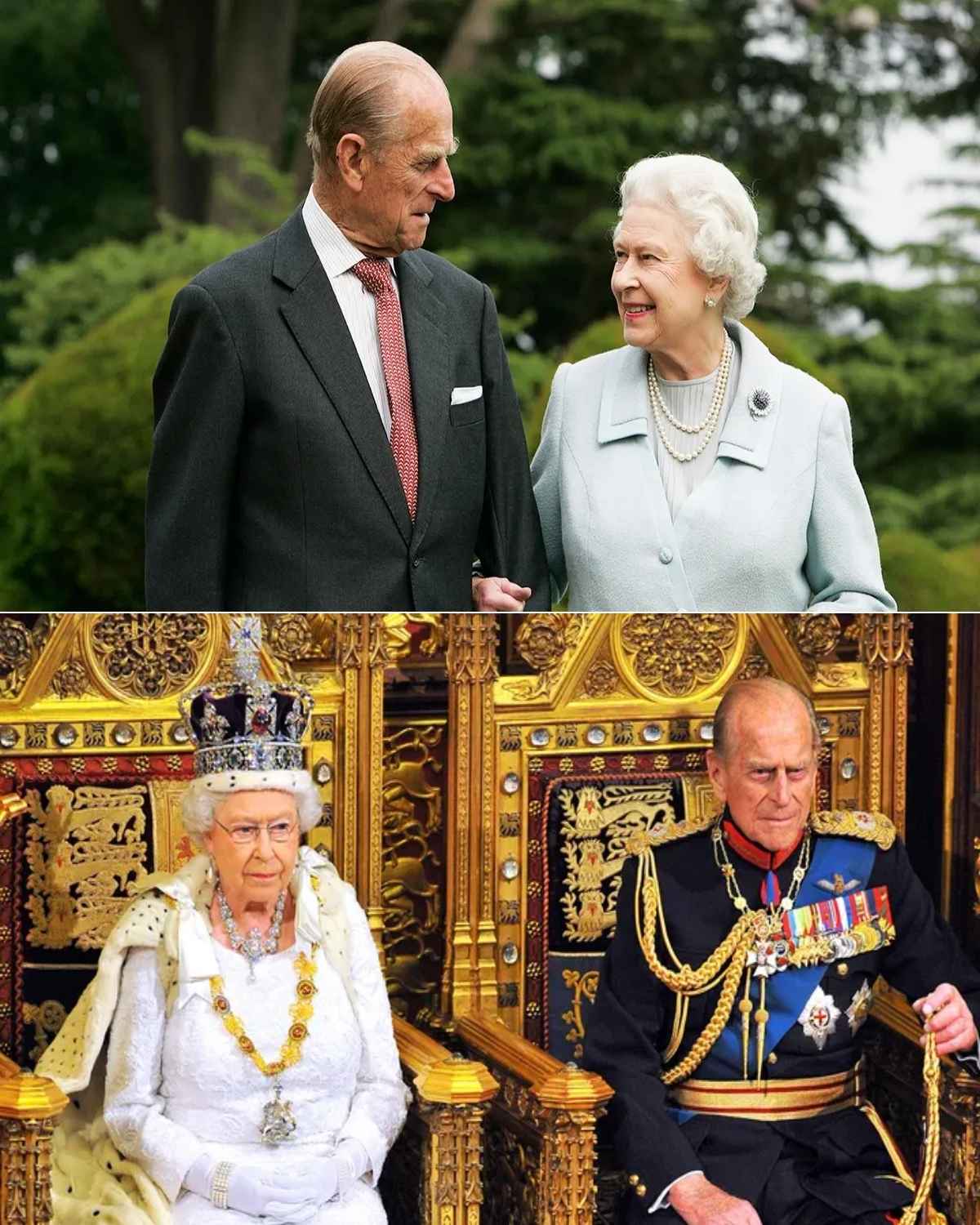
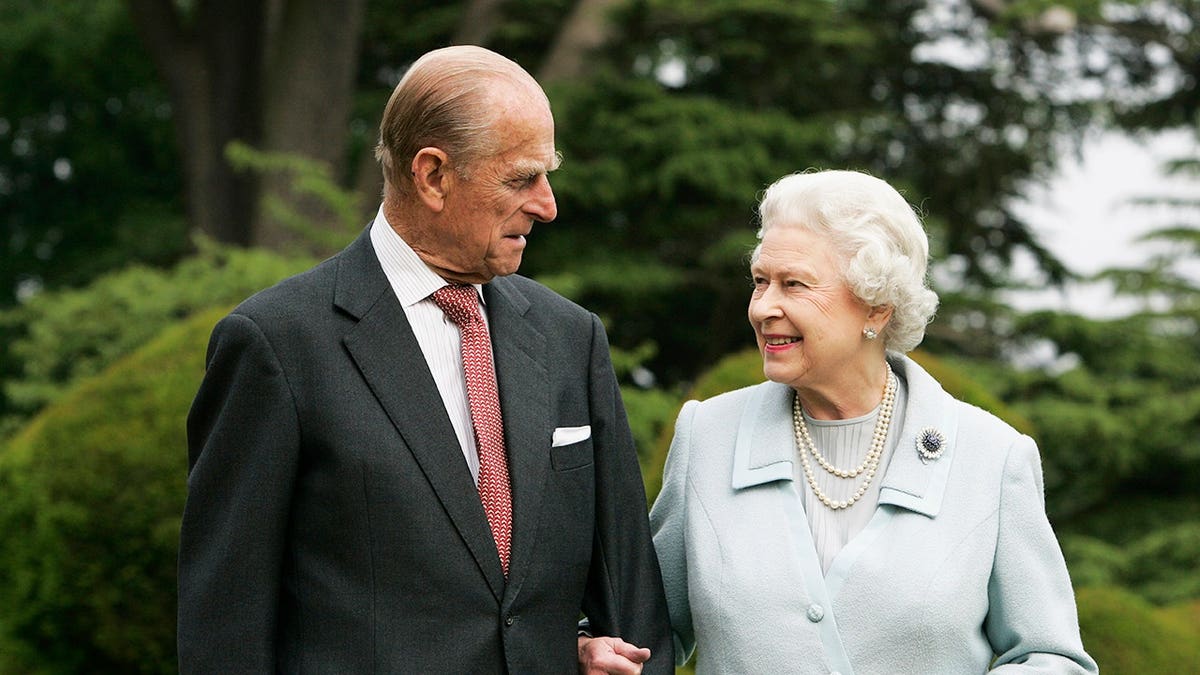
In 2024, King Charles and Queen Camilla officially became joint patrons of The Jockey Club, inheriting a role previously held by Queen Elizabeth II for an extraordinary 68 years. The late Queen’s passion for horse racing became one of the defining personal interests of her reign, and her presence at Epsom Downs became a tradition in itself.
In fact, Queen Elizabeth missed Derby Day only twice during most of her seven-decade reign — once during a state visit to Sweden in 1956 and again in 1984 while attending D-Day commemorations in France.
For Charles, attending the Derby is more than a sporting engagement. It represents continuity, tradition, and a visible connection to one of the monarch’s most enduring family legacies.
The race itself carries enormous prestige. First run in 1780, the Derby remains one of the crown jewels of international horse racing and attracts global attention every year.
Peter Phillips’ Wedding Signals a New Chapter
While Derby Day symbolizes continuity, Peter Phillips’ wedding represents a fresh chapter for one branch of the royal family.
Peter and Harriet’s relationship first attracted public attention in 2024 when they appeared together at the prestigious Badminton Horse Trials. Over the following months, Harriet became increasingly visible within royal circles, attending events such as Royal Ascot and interacting comfortably with senior members of the family.
The relationship appeared to receive the family’s blessing early on. This spring, Harriet joined Peter, their children, and other members of the royal family during Easter celebrations at Windsor Castle — a strong indication of her growing acceptance within the royal fold.
For both Peter and Harriet, the marriage marks a second chance at love.
Peter previously married Autumn Kelly in 2008 before their separation and eventual divorce in 2021. Together they share two daughters, Savannah and Isla. Harriet also has a daughter from a previous marriage, creating a blended family that many royal watchers believe reflects a more modern image of the monarchy.
The Guest List Reveals Ongoing Royal Divisions
While the wedding itself is expected to be a joyful occasion, attention has increasingly shifted toward who will not be attending.
One of the most notable absences appears to be Prince Harry.
According to reports, Harry was not invited to the wedding, a development that many royal observers see as another sign of the widening distance between the Duke of Sussex and several members of the extended royal family.
Sources close to the couple reportedly claim that Harry and Peter have not maintained a meaningful relationship for years and have gradually drifted apart since Harry’s departure from royal life.
The reported exclusion may come as a surprise to some observers, given that Peter Phillips was once viewed as one of the more neutral figures within the family — someone who maintained cordial relationships across different royal camps. However, it also illustrates how deeply the fractures created by recent years continue to affect personal relationships behind palace walls.
Andrew and Sarah Ferguson Also Reportedly Left Off the List
Equally noteworthy is the reported absence of Prince Andrew and Sarah Ferguson.
According to multiple reports, the couple was not included among the wedding guests amid renewed scrutiny surrounding Andrew’s past association with convicted sex offender Jeffrey Epstein.
Sources suggest organizers were concerned their attendance could overshadow the wedding itself and generate unwanted media attention.
The decision underscores an ongoing reality for the monarchy: despite King Charles’ efforts to modernize the institution and stabilize public confidence, controversies connected to certain family members continue to present reputational challenges.
A Day That Could Showcase Charles’ Priorities
Ultimately, June 6 may become more than just another royal engagement.
If King Charles successfully attends both events, the day could serve as a powerful demonstration of the balancing act that defines modern monarchy — honoring family while fulfilling public duty.
It would also offer a glimpse into Charles’ evolving reign, one increasingly focused on preserving tradition while carefully managing a royal family that remains both highly visible and occasionally divided.
For royal watchers, the story isn’t simply about a wedding or a horse race. It’s about how King Charles continues to navigate the competing demands of family loyalty, public expectations, and the long-term future of the British Crown.