A Myrtle Beach detective, Michael DeBiase, 46, was arrested and terminated from the police department after allegedly pointing his service weapon at a fellow officer over a microwaved fish incident in the office. According to the South Carolina State Law Enforcement Division, the confrontation occurred after the smell of fish prompted DeBiase to allegedly draw and aim his department-issued handgun at the other officer.

Police reports indicate that the incident took place in the Myrtle Beach Police Department offices, where the victim officer had been heating up food in the microwave. Authorities emphasized that while the act did not reflect the values of the department, swift action was taken to hold DeBiase accountable. He was immediately placed on administrative leave before being dismissed from his role.
DeBiase was charged with pointing and presenting a firearm at a person and booked into the Horry County Jail on June 2. He was released later the same day, pending further legal proceedings. At the time of reporting, it is not known whether DeBiase has entered a plea or what type of fish was involved.
The department issued a statement underscoring its commitment to professional conduct and accountability, saying, “This incident does not reflect the values demonstrated by the men and women of the Myrtle Beach Police Department every day. However, it does demonstrate our commitment to accountability and our willingness to address conduct that falls short of our expectations.”
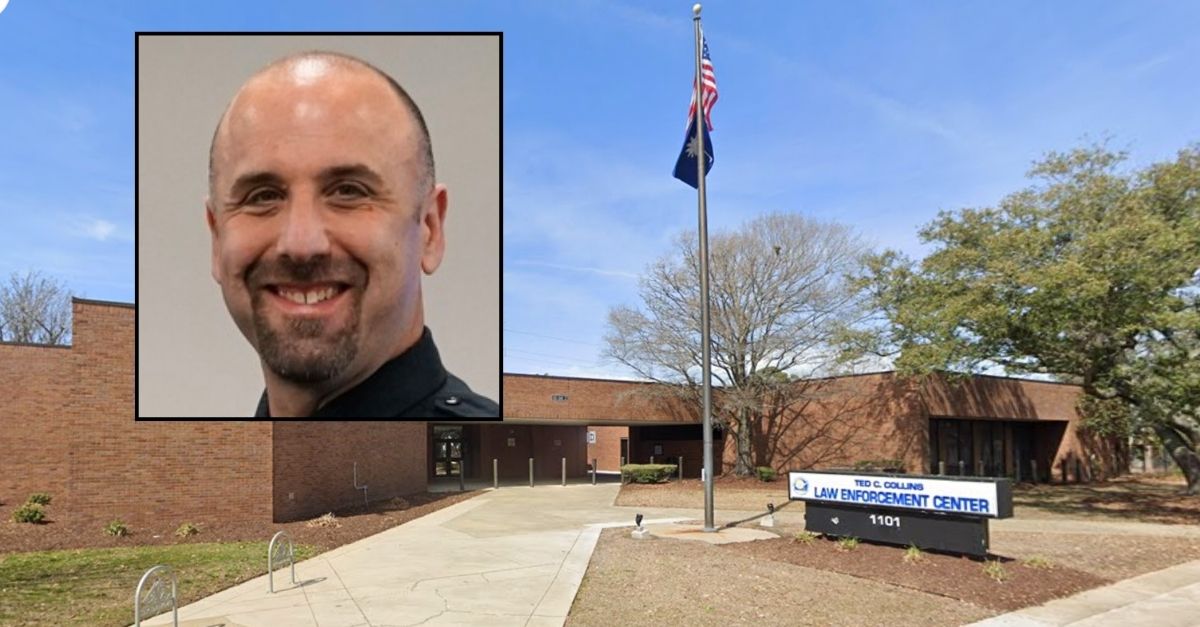
This unusual case has sparked attention due to the seemingly minor trigger of the incident—a microwaved fish—yet highlights how tensions within law enforcement can escalate into dangerous situations.
Legal experts note that charges of pointing a firearm at another person carry significant penalties, especially when committed by a law enforcement officer, reflecting the severity with which the judicial system treats threats involving firearms.
Investigators continue to review the events leading up to the confrontation to determine if further charges or internal discipline will be warranted, emphasizing the importance of officer conduct and workplace safety in law enforcement agencies.