 Nikko Jenkins remains under a sentence of death in Nebraska more than a decade after being convicted of multiple murders that shocked the state and reignited debate about capital punishment, mental illness, and violent crime. His case continues to draw national attention because of both the crimes themselves and the lengthy legal proceedings that have followed his conviction.
Jenkins was convicted for a series of killings committed in Omaha during August 2013, shortly after his release from prison. Prosecutors argued that he murdered four people in separate incidents over a period of several days. The killings triggered an intensive investigation that ultimately led to his arrest and prosecution.
During court proceedings, Jenkins made numerous unusual statements and claims regarding mental health, religion, and his motivations. His case became widely known because of concerns surrounding his psychological condition, his history within the correctional system, and questions about whether warning signs had been missed before his release from prison.
In 2017, a Nebraska judge sentenced Jenkins to death after a three-judge panel concluded that the aggravating circumstances outweighed mitigating factors. The sentence made him one of the few inmates on Nebraska’s death row. Since then, his case has remained active within the appellate process, as required in capital cases.
Nebraska’s death penalty system has experienced periods of legal and political uncertainty over the years, including legislative debates, ballot measures, and changes to execution procedures. As a result, death row inmates such as Jenkins have remained incarcerated while legal reviews and appeals continue through the courts.
 Publicly available information confirms that Jenkins remains in the custody of the Nebraska Department of Correctional Services under a sentence of death. However, correctional officials generally do not disclose detailed information regarding the daily routines, housing arrangements, or security measures of individual inmates.
The Jenkins case continues to be cited in discussions involving violent crime, prison policy, mental health treatment, and capital punishment. Supporters of the sentence argue that it reflects the severity of the crimes, while others point to broader questions involving mental illness and the administration of the death penalty.
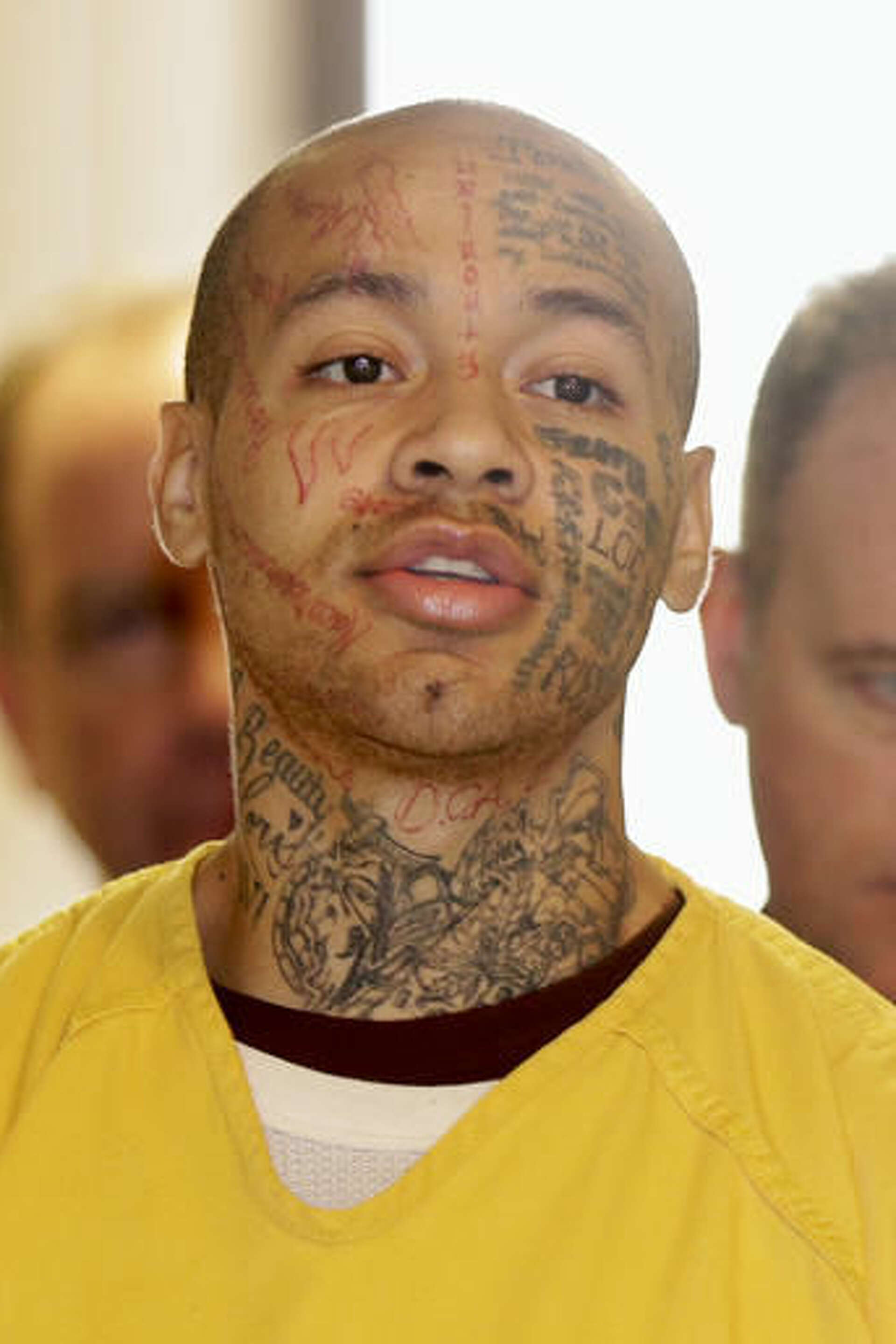 Today, Jenkins remains on Nebraska death row awaiting the outcome of ongoing legal proceedings. More than a decade after the murders that led to his conviction, his case remains one of the most closely watched capital punishment cases in Nebraska history.


