Melvin Trotter, 65, was executed by lethal injection at Florida State Prison in Starke on February 24, 2026, for the 1986 stabbing and strangulation death of 70‑year‑old Virgie Langford during a robbery at her Palmetto grocery store. Trotter was pronounced dead at 6:15 p.m. after receiving a three‑drug injection, marking the second execution carried out in Florida this year following a record pace of death warrants signed under Governor Ron DeSantis.
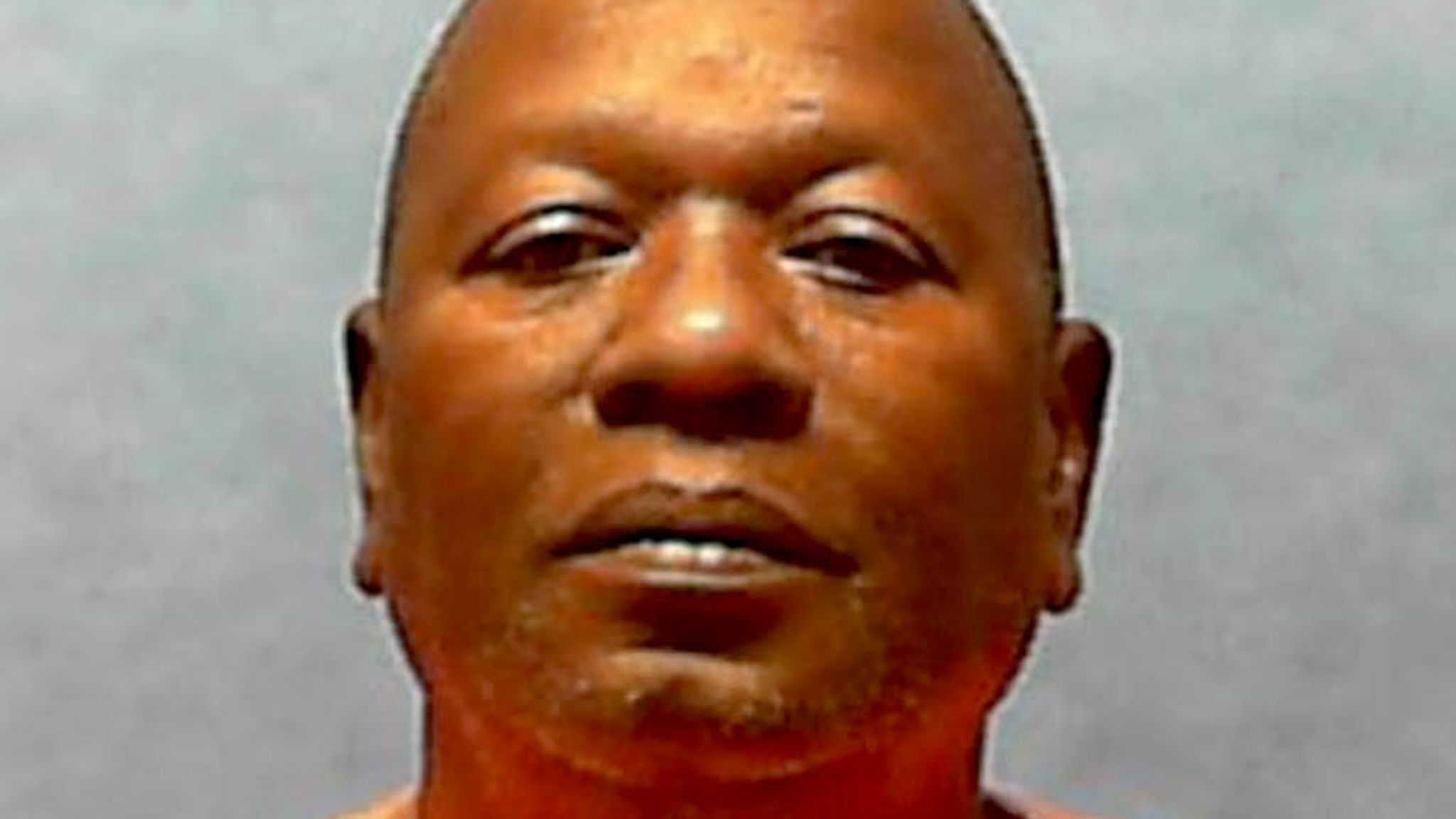
Trotter’s legal journey spanned nearly four decades after the fatal attack on June 16, 1986, when investigators found Langford bleeding in the back of her store; she identified details about her assailant before she died at a hospital. Court records included physical evidence linking Trotter to the crime, and he was first sentenced to death in 1987 before being resentenced in 1993 after appellate review.
In the hours before his execution, Trotter declined to make a final statement and was declared dead shortly after the execution began. His last meal request reportedly included fish, cornbread, cake, and soda, as noted by corrections officials handling the proceedings.
Throughout his appeals, Trotter’s attorneys argued against execution due to his age, alleged intellectual limitations and concerns about the state’s lethal injection protocols, but both the Florida Supreme Court and the U.S. Supreme Court denied his final appeals.
Langford’s family and community members long awaited the conclusion of the case, which drew attention to Florida’s use of capital punishment in decades‑old violent crimes. Advocates on both sides of the death penalty debate weighed in on the broader implications of carrying out sentences for crimes committed so long ago.
Trotter’s execution continued Florida’s broader pattern of enforcing the death penalty for aggravated murder, particularly in cases involving robbery and violence against elderly victims. The state’s aggressive execution schedule has placed it among the most active in the nation in recent years.
Caption:
Melvin Trotter was executed in Florida for the 1986 stabbing and strangulation of 70‑year‑old grocery store owner Virgie Langford during a robbery. After nearly 40 years of appeals and legal reviews, the state carried out his death sentence by lethal injection in 2026. He declined to offer final remarks, and his execution came amid continued debate over capital punishment and procedural safeguards in long‑running murder cases.