The life of Sondra Locke is a poignant tale of resilience and struggle, marked by her relentless fight for autonomy in a world that often sought to define her. From her unconventional marriage to her tumultuous relationship with Clint Eastwood, Locke’s journey was as captivating as it was tragic, culminating in her quiet passing at 74, which went unnoticed for weeks.
 Born Sandra Louise Smith on May 28, 1944, in Shelbyville, Tennessee, Locke’s early years were shaped by hardship. After her mother married Alfred Locke in 1948, they lived near poverty, but young Sandra quickly distinguished herself academically and socially. A high achiever at Shelbyville Central High, she was valedictorian and the president of the French club, earning the nickname “the Duchess of Studiousness.” Yet, beneath her success lay a deep sense of isolation, as she struggled to form meaningful connections.
Locke’s ambition led her to Middle Tennessee State University on a full theater scholarship. However, she left after just two semesters, following a devastating family rift that severed ties with her past. This break marked the beginning of her pursuit of independence, as she took on various jobs in Nashville, including a stint at WSM AM radio, where her charisma began to shine through.
By 1966, Locke was making waves in Nashville’s media scene, transitioning from radio to television while navigating a complex web of relationships that sparked gossip and intrigue. Her ambition and desire to be seen were palpable, and she began to reshape her identity for Hollywood, even changing her name from Sandra to Sondra.
 Her breakthrough came with the film “The Heart Is a Lonely Hunter” in 1968, which earned her an Academy Award nomination. Yet, the success was bittersweet; Locke was older than the youthful persona Hollywood wanted her to embody. This duality would haunt her career, as she navigated the pressures of fame while trying to maintain her authenticity.
Locke’s marriage to Gordon Lee Anderson in 1967 was unconventional, described in later court documents as more of a sibling bond than a romantic partnership. This arrangement provided her with a sense of stability, yet it was devoid of the intimacy she craved. As her career flourished, her relationship with Eastwood became a focal point of her life, marked by both passion and profound betrayal.
Their relationship began in the late 1970s, but it was fraught with challenges. Locke faced personal tragedies, including two pregnancies that ended in abortion, which she later described as painful decisions. The emotional toll of these experiences, coupled with Eastwood’s controlling nature, created a rift that would only deepen over time.

As their relationship deteriorated, Locke found herself embroiled in a legal battle that would define her later years. After their split in 1989, she accused Eastwood of sabotaging her career, claiming he had manipulated contracts and influenced studios against her. The ensuing legal 𝒹𝓇𝒶𝓂𝒶 was intense, and Locke’s fight for justice became a testament to her strength in the face of adversity.
Despite the turmoil, Locke continued to pursue her passion for filmmaking. She directed “Impulse” in 1990, a project that garnered critical acclaim but was overshadowed by her personal struggles. Her resilience shone through as she navigated the complexities of Hollywood, proving that she was more than just a muse to Eastwood.
 Locke’s health began to decline in the 1990s, and she faced a breast cancer diagnosis that she believed was exacerbated by the stress of her legal battles. Even as she fought for her life, she remained determined to reclaim her narrative, publishing her memoir in 1997, which directly criticized Eastwood and the impact he had on her career.
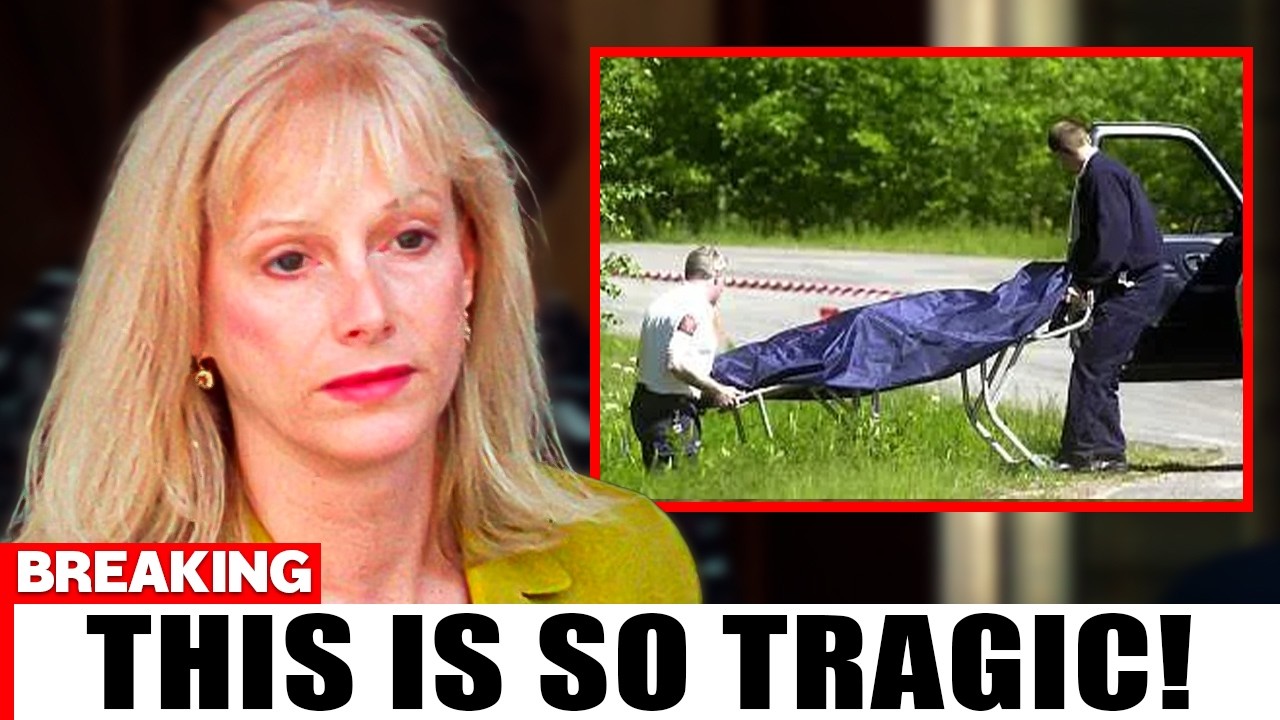
Sondra Locke passed away on November 3, 2018, at her home in Los Angeles. The news of her death was met with shock, as the public remained unaware for nearly six weeks. The circumstances surrounding her passing and the legacy she left behind invite reflection on the complexities of her life and the industry that shaped her.
As we remember Sondra Locke, we are left to ponder the untold stories and hidden struggles of those who navigate the often unforgiving landscape of fame. What more could she have achieved if the world had truly recognized her talent and tenacity?