Charles Duke served as lunar module pilot for Apollo 16 in April 1972, becoming the tenth astronaut to walk on the Moon as part of NASA’s lunar exploration program. During his nearly three days on the lunar highlands with commander John Young, Duke helped deploy scientific instruments, collect hundreds of pounds of rocks and soil, and drive the Lunar Roving Vehicle across the rugged terrain of the Descartes Highlands.
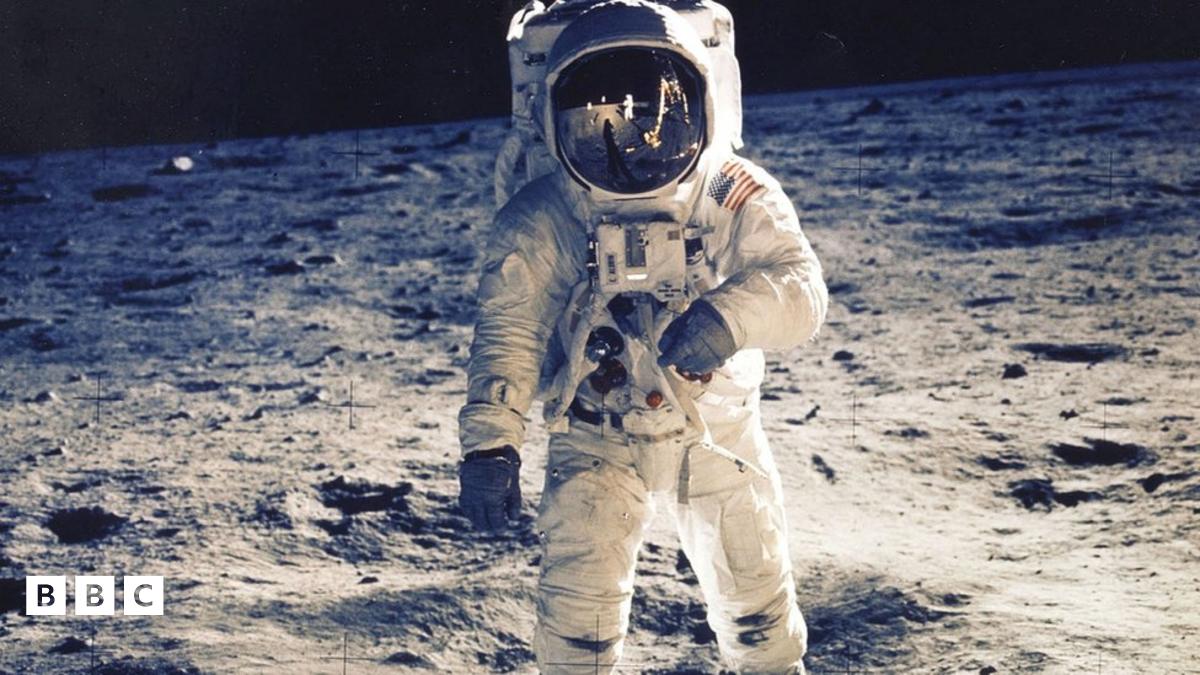
In numerous interviews and anniversary reflections, Duke has spoken with awe about the visual and emotional impact of seeing the Moon up close — its stark, dusty surface in one‑sixth Earth gravity, the sharp contrast between light and shadow, and the fragile beauty of Earthrise against the blackness of space. These personal accounts have helped convey to the public what it really felt like to be there, beyond the technical achievements of the mission.
One deeply human moment from Duke’s mission was his decision to leave a photo and a message on the Moon for future visitors: a family portrait inscribed with “This is the family of astronaut Duke from Planet Earth. Landed on the Moon, April 1972.” This gesture reflects how personally meaningful the experience was to him and has become a memorable part of Apollo heritage.
Unlike many internet stories circulating today, there is no verified evidence from Duke that he saw “artificial structures” or other sensational anomalies on the lunar surface. Claims to that effect are not supported by mainstream historical records or Duke’s own documented interviews and NASA transcripts.

What Duke has shared in public forums is the profound silence, desolation, and beauty of the Moon itself — a world that challenged human explorers with its harsh environment but also inspired them with its stark grandeur. His accounts remain grounded in the well‑documented scientific goals and outcomes of Apollo 16.
Today, Duke is one of the few surviving Apollo astronauts and continues to reflect on the legacy of lunar exploration, expressing excitement for the Artemis program, which aims to return humans to the Moon and pave the way for future missions to Mars.
In sum, what Charles Duke “saw” on the Moon — from the gray regolith and cratered horizons to the view of Earth hanging in space — is consistent with official NASA records and the personal testimonies that have helped shape public understanding of humanity’s first steps beyond our home planet.


