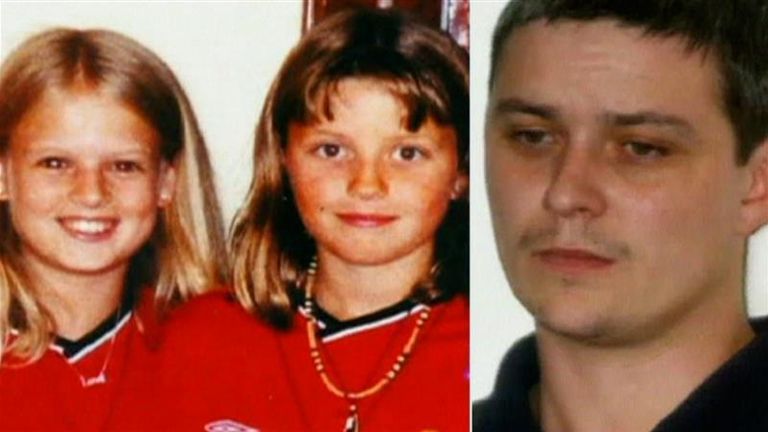
 Few prisoners in the United Kingdom have attracted as much public attention and hostility as Ian Huntley. Convicted in 2003 for the murders of 10-year-old schoolgirls Holly Wells and Jessica Chapman, Huntley became one of Britain’s most notorious inmates and spent years living under extraordinary security measures inside the prison system.
The case began in August 2002 when Holly Wells and Jessica Chapman disappeared from their hometown of Soham in Cambridgeshire. The disappearance triggered one of the largest missing-person investigations in modern British history and generated intense media coverage across the country.
Investigators eventually identified Ian Huntley, a school caretaker, as the primary suspect. Prosecutors alleged that Huntley murdered both girls after they visited his home. Following a highly publicized trial, a jury convicted him of two counts of murder in December 2003. He received life sentences and was ordered to serve a minimum term before any parole consideration.
From the moment he entered prison, authorities faced significant concerns regarding his safety. Child murderers are among the most vulnerable inmates within the British prison system, and Huntley’s notoriety made him an especially high-risk prisoner. Officials frequently housed him under enhanced security arrangements and often separated him from large portions of the general prison population.
 Over the years, Huntley was transferred between several high-security prisons as authorities attempted to manage ongoing security risks. Reports emerged of threats, confrontations, and assaults involving other inmates who viewed him as a target because of the nature of his crimes.
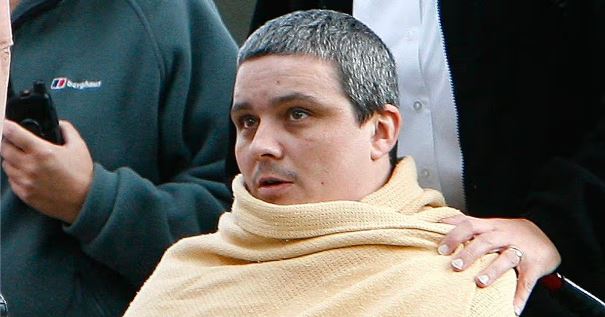
One of the most serious incidents occurred in 2010 when Huntley was attacked by another prisoner at HMP Frankland. The assault resulted in serious injuries and reinforced concerns about his safety while incarcerated. Prison authorities subsequently reviewed security procedures and continued maintaining heightened protection around him.
Despite the security measures, life inside prison remained heavily restricted. Like many high-profile inmates, Huntley experienced long periods of isolation, close monitoring, and limited interaction with other prisoners. Correctional officials balanced the responsibility of protecting him from harm while ensuring he remained securely confined.
 The case continued attracting media attention long after the conviction. Public interest remained intense because the murders of Holly Wells and Jessica Chapman had such a profound impact on the United Kingdom. The investigation led to significant changes in background-checking procedures for individuals working with children and influenced broader discussions about safeguarding and public protection.
Supporters of strict prison conditions argued that Huntley was serving a sentence proportionate to the severity of the crimes. Others focused on the broader challenges prison systems face when managing inmates whose notoriety creates exceptional security concerns.
 Today, Ian Huntley remains incarcerated and continues serving his life sentence. His prison experience is often cited as an example of the unique challenges associated with housing some of the most infamous offenders in modern British history.
More than two decades after the murders, the case remains deeply significant in the United Kingdom, both because of the devastating loss suffered by the victims’ families and because of the lasting impact the crimes had on child protection policies, criminal justice practices, and public confidence in safeguarding systems.