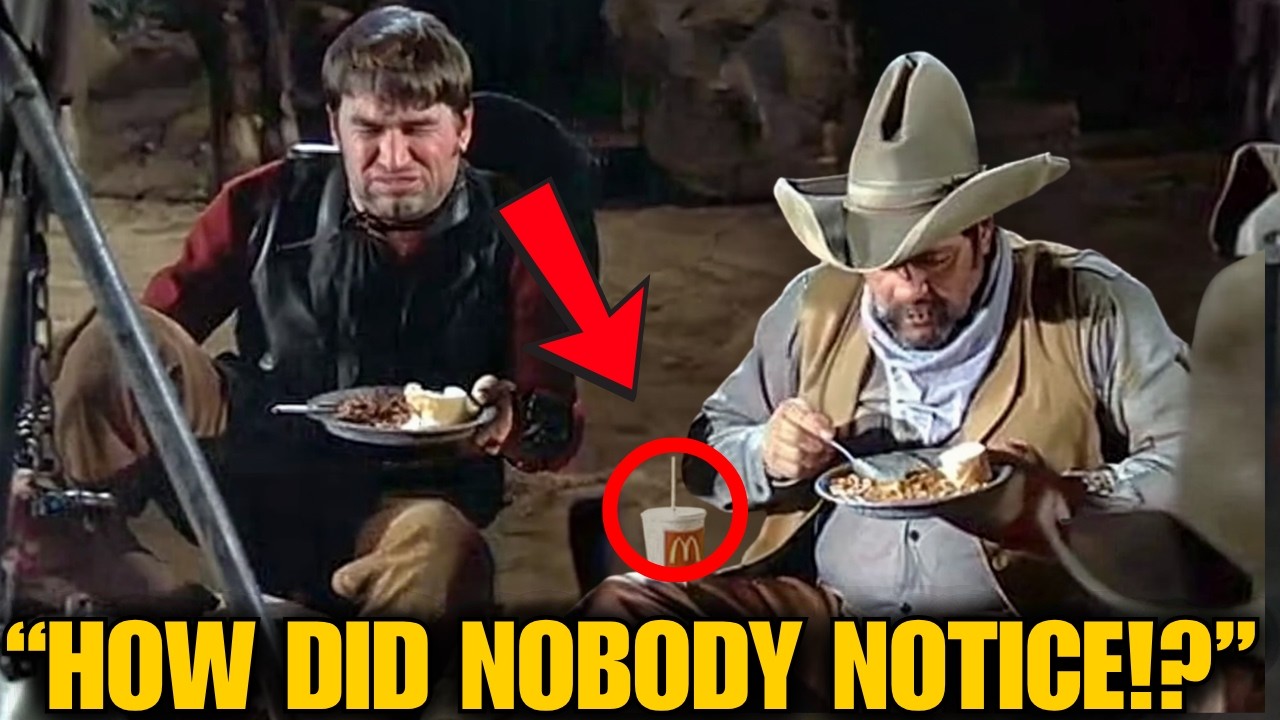
 When Blazing Saddles premiered in 1974, few could have predicted that it would become one of the most influential comedies in film history.
Directed by Mel Brooks, the Western spoof shocked audiences with its fearless satire, absurd humor, and willingness to challenge social taboos. Today, it is widely regarded as a comedy classic—but the road to its success was anything but smooth.
Behind the laughs were studio battles, casting changes, deleted scenes, and production decisions that nearly altered the film forever.
A Film Warner Bros. Didn’t Fully Understand
From the beginning, studio executives were nervous about Blazing Saddles.
The film’s satirical approach to racism, politics, and Western movie clichés pushed boundaries that many executives feared audiences would reject.
Mel Brooks later recalled facing significant resistance from the studio, which worried that the movie’s controversial humor could damage the company’s reputation.
Fortunately for Brooks, he retained substantial creative control and was able to protect much of his original vision.
 Scenes That Never Made the Final Cut
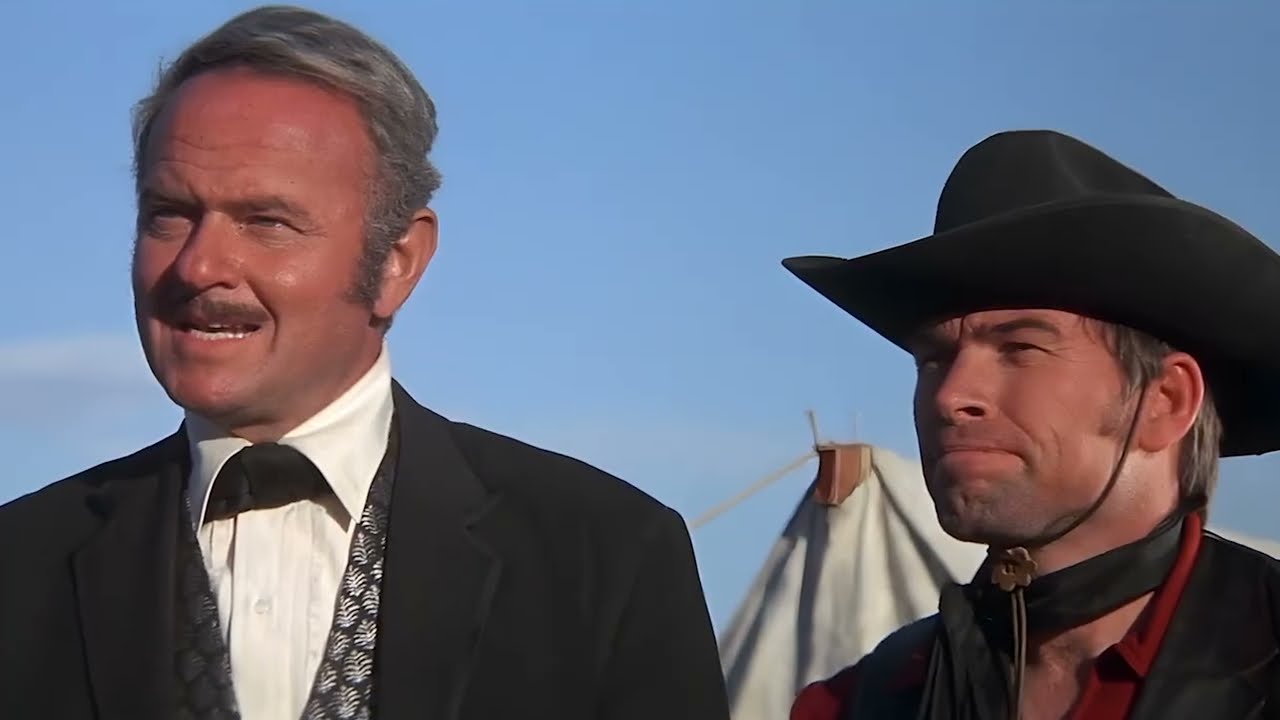
Like many productions, Blazing Saddles contained scenes and jokes that were filmed but ultimately removed.
Brooks has acknowledged over the years that certain moments were cut because they disrupted the pacing of the film or pushed the comedy beyond what he believed worked best for the story.
These deleted scenes have become part of the movie’s mythology among longtime fans.
The Casting Changes That Changed Everything
One of the most fascinating behind-the-scenes stories involves the casting process.
Richard Pryor, who co-wrote the screenplay with Brooks and several other writers, was originally considered for the role of Sheriff Bart.
Ultimately, Warner Bros. executives were reluctant to approve Pryor due to concerns about his reputation and legal issues at the time.
The role instead went to Cleavon Little, whose performance became one of the defining elements of the film.
Another major casting success came with Gene Wilder as Jim, the Waco Kid. Wilder’s chemistry with Little helped create one of the most beloved comedy partnerships of the decade.
 Controlled Chaos on Screen
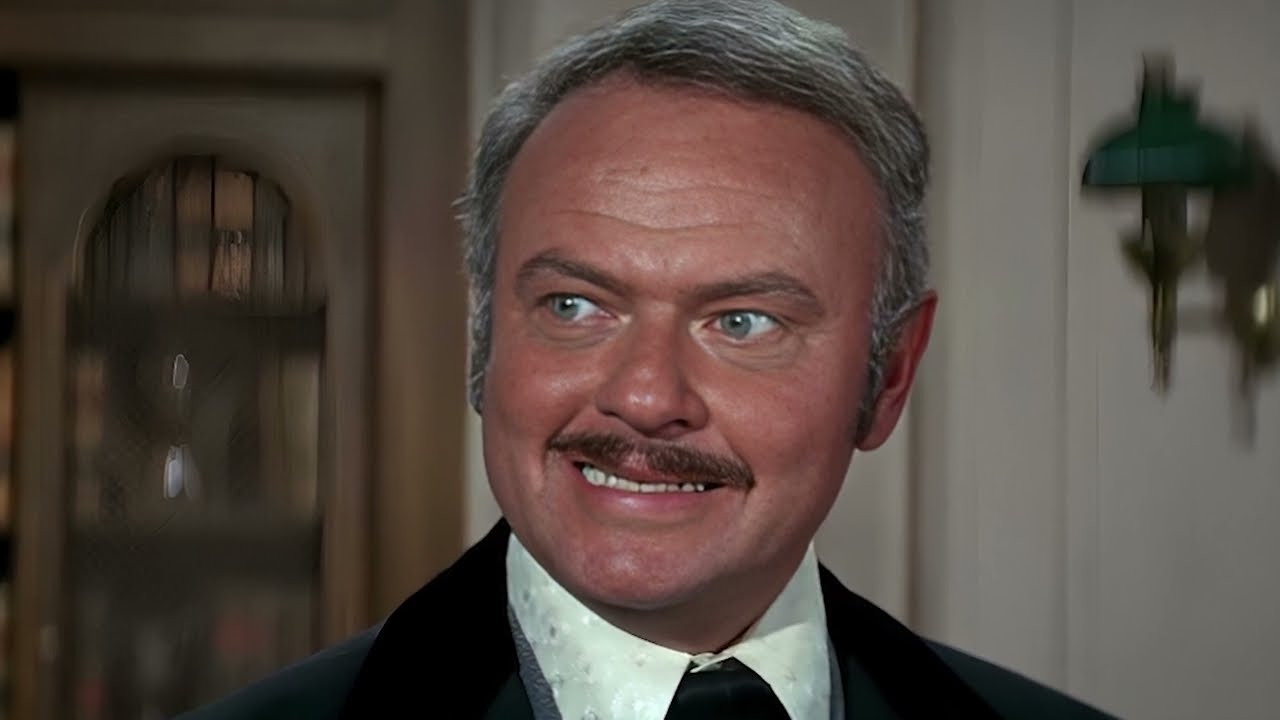
Part of what makes Blazing Saddles memorable is its willingness to embrace absurdity.
The film deliberately breaks traditional storytelling rules, featuring anachronistic jokes, fourth-wall-breaking moments, and scenes that openly acknowledge the fact that viewers are watching a movie.
What might appear to be mistakes or bloopers are often intentional comedic choices designed to parody Hollywood itself.
This unconventional approach helped distinguish the film from nearly every comedy that came before it.
A Massive Success
Despite studio concerns, Blazing Saddles became one of the biggest box-office hits of 1974.
The film earned widespread acclaim and proved that audiences were willing to embrace comedy that challenged expectations.
Its influence can still be seen in modern satire, with many comedians and filmmakers citing Brooks as a major inspiration.
A Legacy That Endures
Nearly fifty years later, Blazing Saddles remains one of the most discussed comedies ever made.
Its blend of satire, social commentary, and outrageous humor continues to spark conversation among film fans and critics alike.
What began as a risky project that some executives wanted to tone down ultimately became a landmark achievement in comedy history.
And perhaps that’s the greatest irony of all: the movie many feared would fail ended up changing Hollywood forever.