ANCIENT ROYAL WATER SYSTEM DISCOVERED BENEATH ANGKOR THOM REVEALS THE HIDDEN ENGINE OF A LOST EMPIRE
Deep beneath the ruined grandeur of Angkor Thom, archaeologists in Cambodia have uncovered one of the most significant infrastructural discoveries in recent years: a remarkably preserved 12th-century hydraulic system embedded within the heart of the Khmer Empire’s royal palace complex.
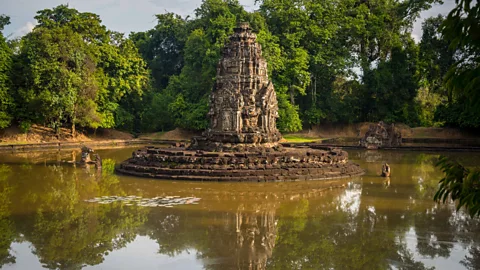
What appears at first glance to be a simple reservoir—known as Pool No. 11—is now understood to be part of a far more sophisticated water management network that once sustained one of the largest pre-industrial cities in the world.
This discovery is not just about engineering.
It is about how an empire survived, thrived, and ultimately struggled against the very forces it once mastered: water itself.
A PROJECT BENEATH THE PALACE OF KINGS
The excavation, launched in February, was carried out through collaboration between:
- Cambodia’s Apsara National Authority
- The Department of Temples and Archaeology
- The Department of Water Resources, Forests, and Infrastructure
The focus of the project was the drainage system surrounding the Phimeanakas palace, a central structure within Angkor Thom’s royal enclosure.
Researchers aimed to map:
- Ancient drainage channels
- Reservoir construction layers
- Sediment accumulation patterns
- Structural changes over time
What they uncovered, however, went far beyond documentation.
They found a fully engineered hydraulic system, designed not only for water storage but for precise control of water flow within the royal precinct.
POOL NO. 11: A RECTANGULAR ENGINEERED RESERVOIR
At the center of the discovery lies Pool No. 11, a carefully constructed rectangular basin measuring approximately:
- 65 meters long (213 feet)
- 30 meters wide (98 feet)
- Over 3.5 meters deep in sediment deposits
The structure is enclosed by compacted earth walls and integrated into the broader landscape of the palace complex.
Based on construction materials and stratigraphic evidence, archaeologists date the system to the late 12th century, during the reign of King Jayavarman VII, one of the most powerful and transformative rulers of the Khmer Empire.
Jayavarman VII’s era is widely associated with:
- Massive urban expansion
- Construction of monumental temples
- Advanced public infrastructure
- The integration of religious and civic architecture
This newly uncovered hydraulic system fits squarely into that vision of engineered urban mastery.
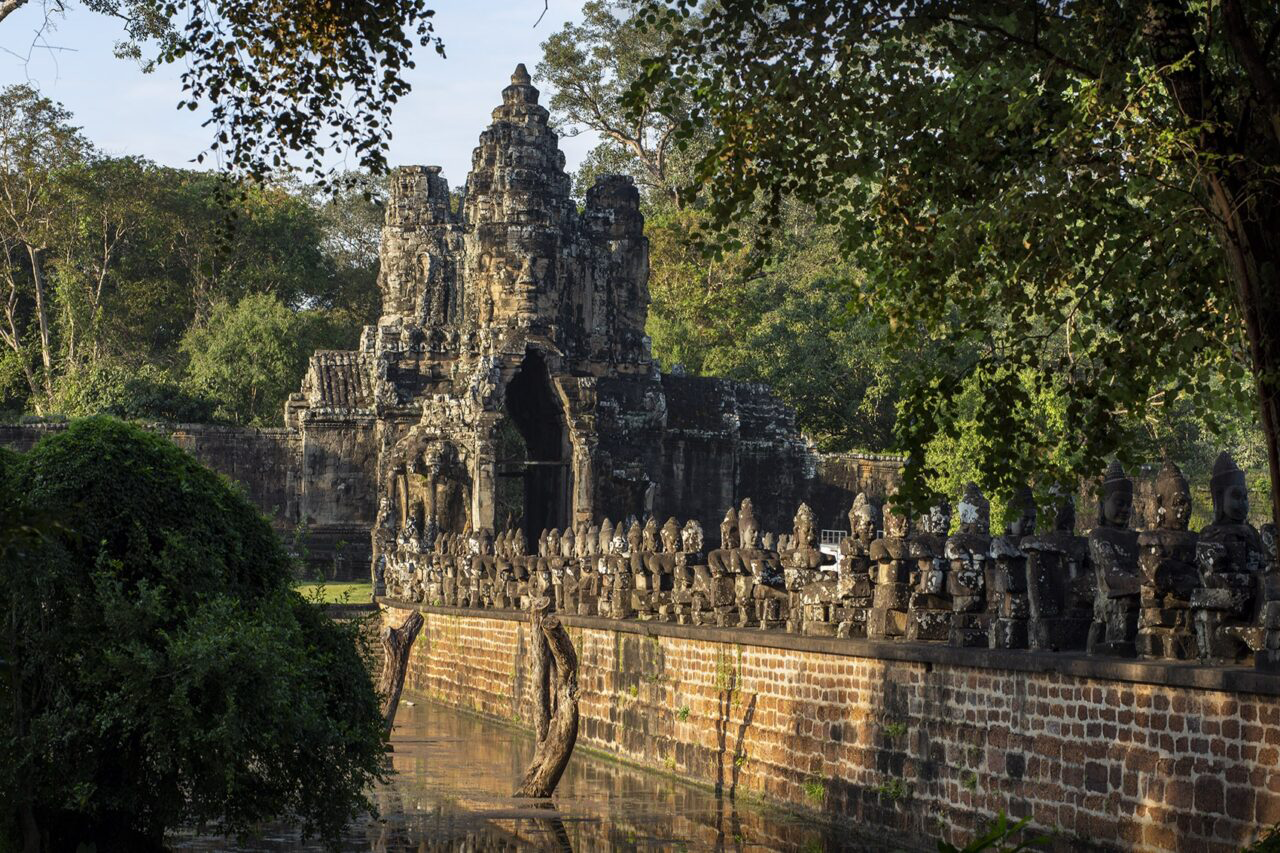
Image 1: Angkor Thom Hydraulic Landscape
THE HIDDEN ARCHITECTURE OF WATER CONTROL
Excavations revealed that Pool No. 11 was not an isolated feature, but part of a larger drainage network embedded within the palace structure.
Archaeologists identified:
- Three separate drainage systems
- Six water outlets integrated into palace walls
- Engineered channels directing water into the surrounding moat
- Layered sediment deposits up to 3 meters thick in some areas
These systems were designed to manage both excess rainfall and controlled water distribution—an essential function in a region shaped by monsoon cycles.
The surrounding moat itself, constructed with 9 to 11 stepped laterite layers, demonstrates long-term engineering adaptation and maintenance.
Together, these elements reveal a city that was not passively shaped by nature, but actively engineered to control it.
A CITY BUILT ON WATER: THE KHMER HYDRAULIC VISION
Angkor Thom was not simply a capital city—it was a hydraulic civilization.
At its height, the Khmer Empire developed one of the most complex water management systems in the ancient world, including:
- Massive reservoirs (barays)
- Interconnected canals
- Flood control systems
- Agricultural irrigation networks
- Urban drainage infrastructure
Water was not just a resource—it was the foundation of political power, agricultural productivity, and religious symbolism.
The discovery of Pool No. 11 confirms that even within the royal palace itself, water management was treated as a highly controlled and strategically designed system.
This was engineering at the scale of empire.
Image 2: Khmer Bas-Relief Water Scenes
CARVINGS THAT REVEAL DAILY LIFE ON WATER
One of the most striking aspects of the excavation is not purely technical—it is artistic.
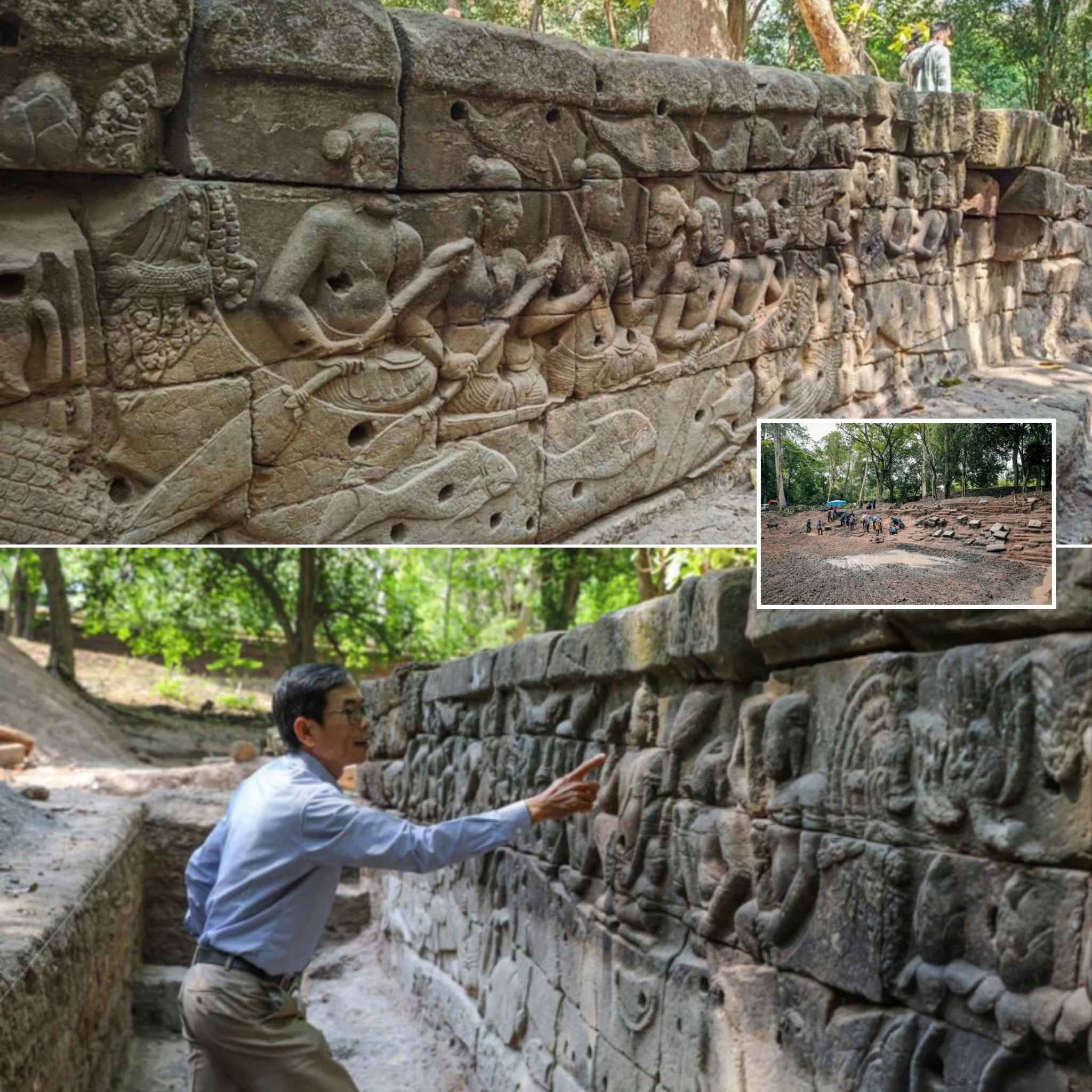
On the western side of the reservoir, archaeologists uncovered bas-relief carvings depicting scenes of life on water.
These include:
- People paddling boats through waterways
- Fish and aquatic creatures beneath the surface
- Scenes of leisure and movement across canals
Unlike monumental temple imagery focused on gods and kings, these carvings offer a rare glimpse into everyday life in the Khmer world.
They suggest that water was not only functional but also deeply embedded in cultural identity and social experience.
The canals and reservoirs were living spaces—used for travel, fishing, ritual, and possibly recreation.
A THRIVING ECOSYSTEM INSIDE THE PALACE
Sediment analysis and environmental evidence from the site also revealed traces of ancient biodiversity, including:
- Fish species adapted to freshwater reservoirs
- Bird populations likely nesting near water edges
- Reptiles inhabiting canal banks
- Aquatic vegetation supporting the ecosystem
This indicates that Angkor Thom’s hydraulic systems were not sterile infrastructure—they were living ecological environments integrated into the urban fabric.
The palace complex functioned as both:
- A political center
- A hydraulic machine
- A managed ecosystem
Few ancient cities in the world achieved such integration between nature and urban design.
THE ENGINEERING CHALLENGE OF EMPIRE
The Khmer hydraulic system was not static. It required:
- Continuous maintenance
- Seasonal adaptation
- Sediment management
- Structural reinforcement
Over time, however, natural processes began to reshape the system.
Researchers found evidence of:
- Gradual sediment accumulation
- Vegetation overgrowth
- Partial blockage of drainage channels
- Flood-related stress on infrastructure
These changes highlight a critical truth: even the most advanced ancient engineering systems were vulnerable to environmental shifts.
In the case of Angkor, water was both the source of power—and ultimately one of the pressures contributing to its transformation.
RESTORATION AND REVIVAL OF ANCIENT SYSTEMS
The Apsara National Authority is now developing long-term conservation and restoration plans for the site.
These include:
- Structural stabilization of reservoir walls
- Archaeological documentation of drainage systems
- Environmental restoration of water flow
- Integration into heritage tourism planning
In a particularly ambitious proposal, officials are also considering the reactivation of ancient drainage functions to help manage modern flooding within the palace complex.
If successful, this would represent a rare case where ancient infrastructure is not only preserved—but partially reactivated for contemporary use.
Image 3: Excavation of Angkor Water Structures

A WINDOW INTO DAILY LIFE IN THE KHMER CAPITAL
Beyond engineering, the discovery also provides insight into how people lived within Angkor Thom.
The presence of:
- Leisure imagery in carvings
- Controlled water environments
- Integrated palace drainage systems
- Ecological diversity within urban spaces
suggests a society where daily life was deeply shaped by water infrastructure.
Royal authority, religious symbolism, agriculture, and urban planning were all connected through hydraulic control.
Water was not background—it was the framework of civilization.
WHY THIS DISCOVERY MATTERS
The excavation of Pool No. 11 adds a crucial piece to a larger archaeological puzzle.
It confirms that:
- Angkor Thom’s hydraulic systems extended into the royal palace itself
- Water management was a central element of political authority
- Engineering and urban design were deeply integrated
- The Khmer Empire achieved extraordinary pre-industrial infrastructure complexity
More broadly, it reinforces Angkor’s status as one of the most advanced urban civilizations of the ancient world.
CONCLUSION: THE EMPIRE THAT MASTERED WATER
Beneath the stone temples and towering gates of Angkor Thom lies another kind of monument—one built not for worship or ceremony, but for survival.
The discovery of this ancient hydraulic system reveals a civilization that did not simply build around water, but engineered its entire existence through it.
Pool No. 11 is more than a reservoir.
It is a fragment of a vast, invisible network that once sustained kings, priests, artisans, and entire urban populations.
And as archaeologists continue to peel back layers of sediment and time, Angkor Thom is revealing itself not as a ruined city—but as a still-active system of ancient intelligence waiting to be understood once again.