TEXAS EXECUTION: John Battaglia Put to Death for Murder of His Two Daughters
The execution of John David Battaglia on February 1, 2018, in Huntsville, Texas, brought closure to one of the most disturbing cases of domestic violence and filicide in the state’s history. Convicted of murdering his two young daughters during a supervised visit in 2001, Battaglia spent more than 16 years on death row before the state carried out his sentence.
The case shocked the nation not only because of the victims’ ages, but because of the real-time phone call that captured the final moments before the killings—turning the tragedy into one of the most chilling domestic murder cases ever recorded in Texas.

THE CRIME THAT HORRIFIED TEXAS
On May 2, 2001, John Battaglia’s two daughters—Faith (9) and Liberty (6)—were visiting him at his Dallas apartment during a scheduled visitation.
At the same time, their mother, Mary Jean Pearle, was attempting to reach the children by phone.
When she finally connected, she unknowingly became a witness to the final moments of her daughters’ lives.
During the call, Battaglia placed the phone on speaker. Pearle reportedly heard her daughter pleading for her life moments before gunshots ended the call.
The case immediately became one of the most shocking domestic murder cases in Texas history due to the combination of premeditation, emotional brutality, and the fact that the crime unfolded in real time through a phone call.
A HISTORY OF DOMESTIC VIOLENCE AND ESCALATION
Prosecutors later argued that the murders were not isolated acts of violence but the culmination of a long history of domestic conflict between Battaglia and his ex-wife.
At the time of the killings, Battaglia was under legal restrictions and probation related to prior domestic violence offenses.
Investigators said tensions had escalated significantly in the days leading up to the murders, as legal actions and protective orders were being pursued against him.
The prosecution framed the killings as a deliberate act of retaliation.
THE AFTERMATH OF THE CRIME
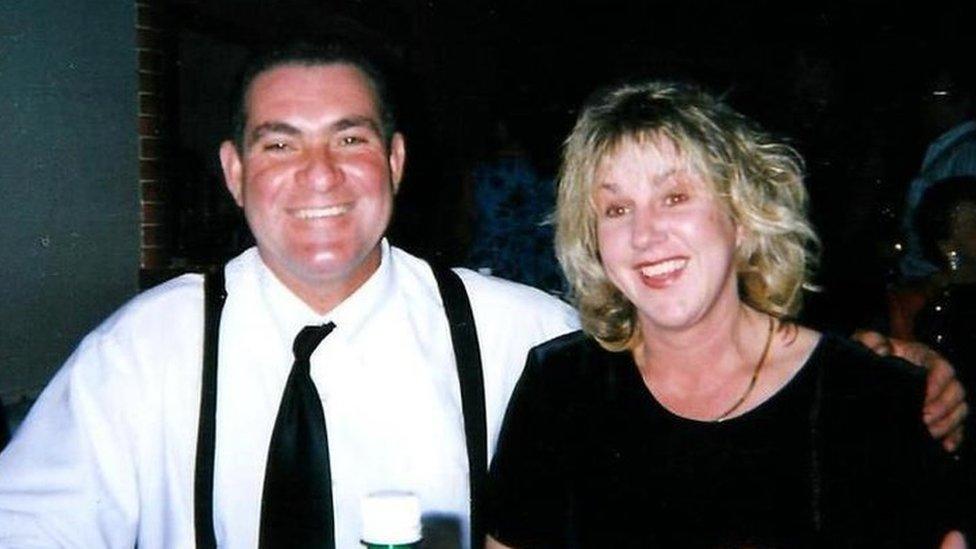
In the immediate aftermath of the murders, Battaglia’s actions further intensified public outrage.
Reports indicated that shortly after the killings, he left an abusive message on his ex-wife’s answering machine.
He was later seen in public, including at a bar and a tattoo parlor, where he had symbols inked on his arm in reference to his daughters.
Law enforcement eventually located and arrested him, with officers needing to restrain him during the arrest process.
The combination of the crime itself and his behavior afterward contributed heavily to the prosecution’s portrayal of intent and lack of remorse.
TRIAL AND DEATH SENTENCE
During trial proceedings, prosecutors presented evidence that Battaglia intentionally killed his daughters in an act of revenge against their mother.
The emotional phone call, witness testimony, and forensic evidence all played key roles in securing a conviction.
Defense arguments focused on Battaglia’s mental health and attempted to challenge his competence at the time of the crime.
However, the jury found him guilty of capital murder, and he was sentenced to death.
DECADES ON DEATH ROW
Following his conviction, Battaglia spent more than 16 years on Texas death row.
His case went through extensive appeals in both state and federal courts, including claims involving mental competence and procedural challenges.
Despite these efforts, courts consistently upheld the conviction and sentence.
The case remained one of the most widely discussed examples of domestic violence leading to capital punishment in Texas.
FINAL HOURS AND EXECUTION
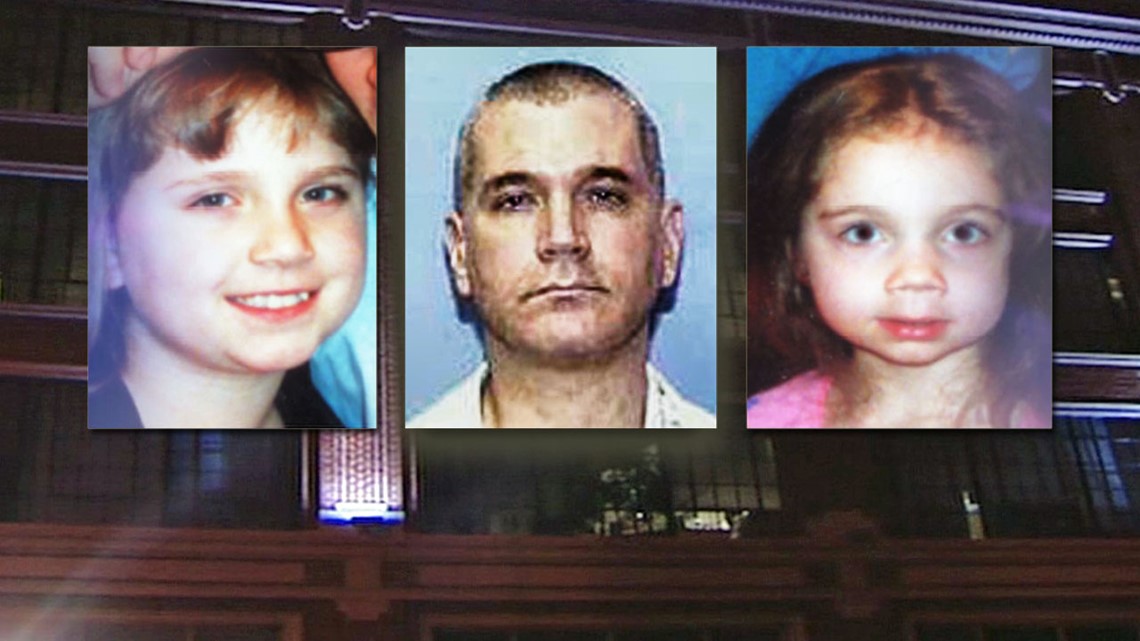
On February 1, 2018, John Battaglia was executed by lethal injection at the Huntsville Unit.
His execution was delayed for several hours while final legal appeals were reviewed and ultimately denied by higher courts, including the U.S. Supreme Court.
Mary Jean Pearle, the victims’ mother, witnessed the execution from the viewing area.
When asked for a final statement, Battaglia initially declined but later addressed his ex-wife briefly before the procedure proceeded.
As the execution was carried out, he made final remarks that were recorded by witnesses in the chamber.
He was pronounced dead at 9:40 p.m., officially ending the legal process.
THE VICTIMS: FAITH AND LIBERTY
Faith and Liberty Battaglia remain at the center of the case.
Their deaths deeply impacted their mother, extended family, and the broader community.
The circumstances of their murder—during what should have been a routine visitation—made the case especially traumatic and widely covered in the media.
For their family, the years that followed were defined by grief, legal proceedings, and public attention that repeatedly revisited the tragedy.
A CASE THAT SHAPED DOMESTIC VIOLENCE DISCUSSIONS
The Battaglia case continues to be referenced in discussions about domestic violence escalation and child protection systems.
Many advocates point to the case as an example of how prior warning signs in abusive relationships can escalate into irreversible outcomes if not effectively addressed.
It also remains one of the most cited Texas cases involving parental filicide in capital punishment discussions.
CONCLUSION
The execution of John Battaglia closed a case that began with one of the most devastating domestic murders in Texas history. Convicted of killing his two daughters during a 2001 visitation, he spent more than 16 years on death row before his sentence was carried out in 2018.
For the victims’ family, the execution marked the end of a long legal journey but not the end of grief.
For the public, the case remains a haunting reminder of how domestic violence can escalate into irreversible tragedy.
Even years later, the question remains:
How can systems better recognize and stop warning signs before they turn into unthinkable loss?