 Stephen Christopher Stanko was executed by lethal injection on June 13, 2025, at Broad River Correctional Institution in South Carolina. He spent two decades on death row following convictions for the murders of Laura Ling and Henry Turner, as well as the attempted murder and brutal attack of Ling’s teenage daughter, who survived the assault and made a 911 call that led to his capture.
The case began in September 2005, when law enforcement responded to reports of violent crimes at a residence in Charleston, South Carolina. Investigators discovered the bodies of Laura Ling and Henry Turner and found Ling’s teenage daughter severely injured but alive. The teenager’s emergency call to authorities was critical in apprehending Stanko shortly thereafter.
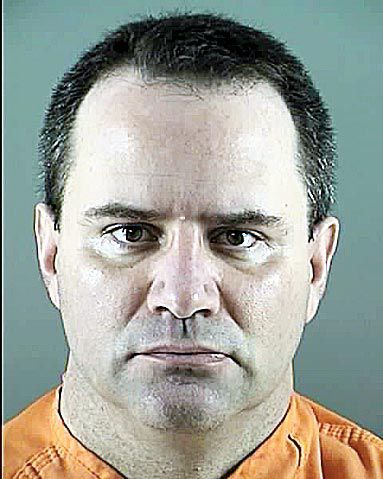
At trial, prosecutors presented evidence linking Stanko to the murders and the attack, including eyewitness testimony, forensic evidence, and statements made by Stanko himself. The trial highlighted the particularly brutal nature of the crimes, and the jury ultimately convicted Stanko on multiple counts of murder, attempted murder, and other related offenses. He was sentenced to death.
Over the following twenty years, Stanko pursued numerous appeals in both state and federal courts. His legal team raised questions regarding trial procedure, sentencing, and other constitutional claims. Courts reviewed the arguments but repeatedly upheld both the convictions and the death sentence.
 In the weeks leading up to the execution, final appeals and petitions for clemency were denied. On June 13, 2025, Stanko was executed by lethal injection, concluding one of South Carolina’s longest and most closely followed death row cases in recent history.
The case has remained a point of public attention due to the severity of the crimes, the prolonged appeals process, and the survival of a victim who bravely provided key information leading to Stanko’s capture. It has also contributed to ongoing discussions about the death penalty, inmate rights, and the administration of justice in cases involving serial violent offenders.
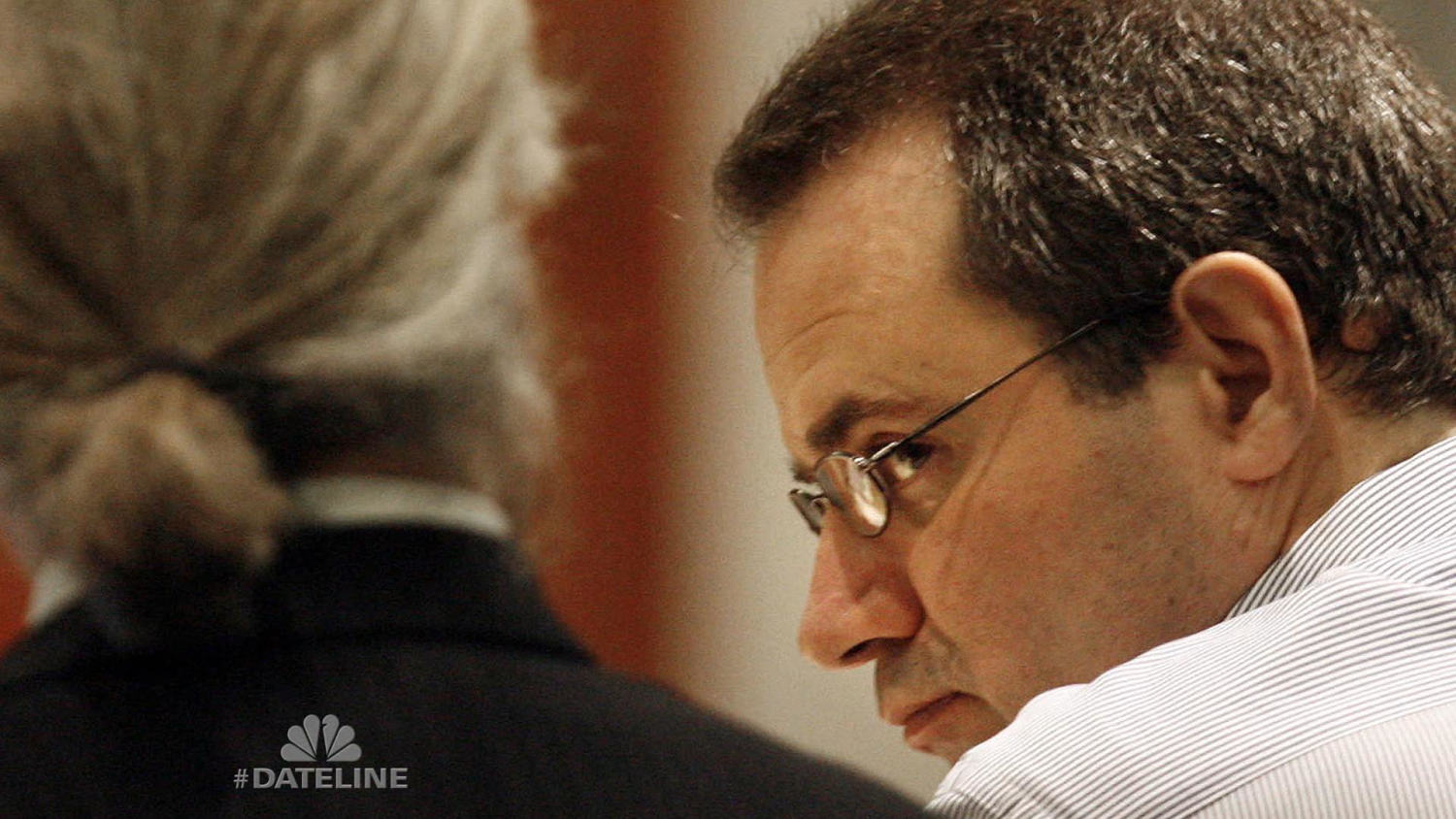 Today, the Stephen Christopher Stanko case continues to be studied in criminology, law enforcement, and legal circles as an example of the complexities involved in prosecuting, sentencing, and executing violent offenders with lengthy death row histories.


