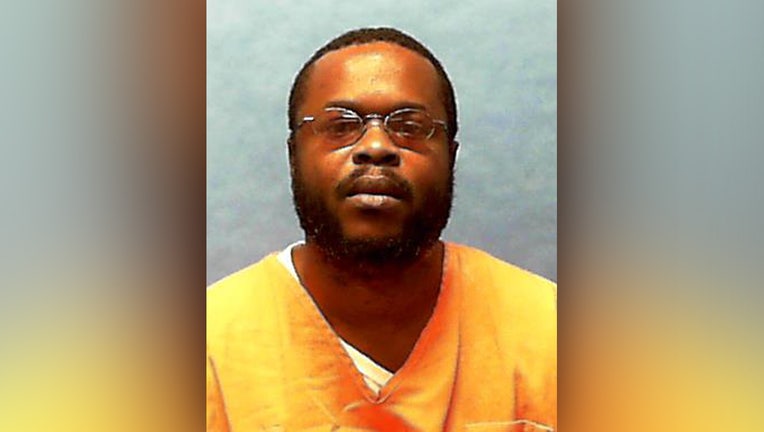
 On May 21, 2026, Richard Knight was executed by lethal injection at Florida State Prison in Starke, concluding a case that had spanned more than two decades. Knight was convicted of murdering Odessia Stephens and four-year-old Hanessia Mullings in Coral Springs in 2000, a crime that shocked the local community and drew widespread attention due to its brutality and the age of one of the victims.
 The investigation began immediately after the murders, with law enforcement collecting evidence from the crime scene, including a murder weapon and fingerprint samples. Authorities identified Knight as a suspect, and he was arrested and charged with two counts of first-degree murder. During trial, prosecutors presented forensic evidence, witness testimony, and other investigative findings that they argued clearly implicated Knight in the killings.
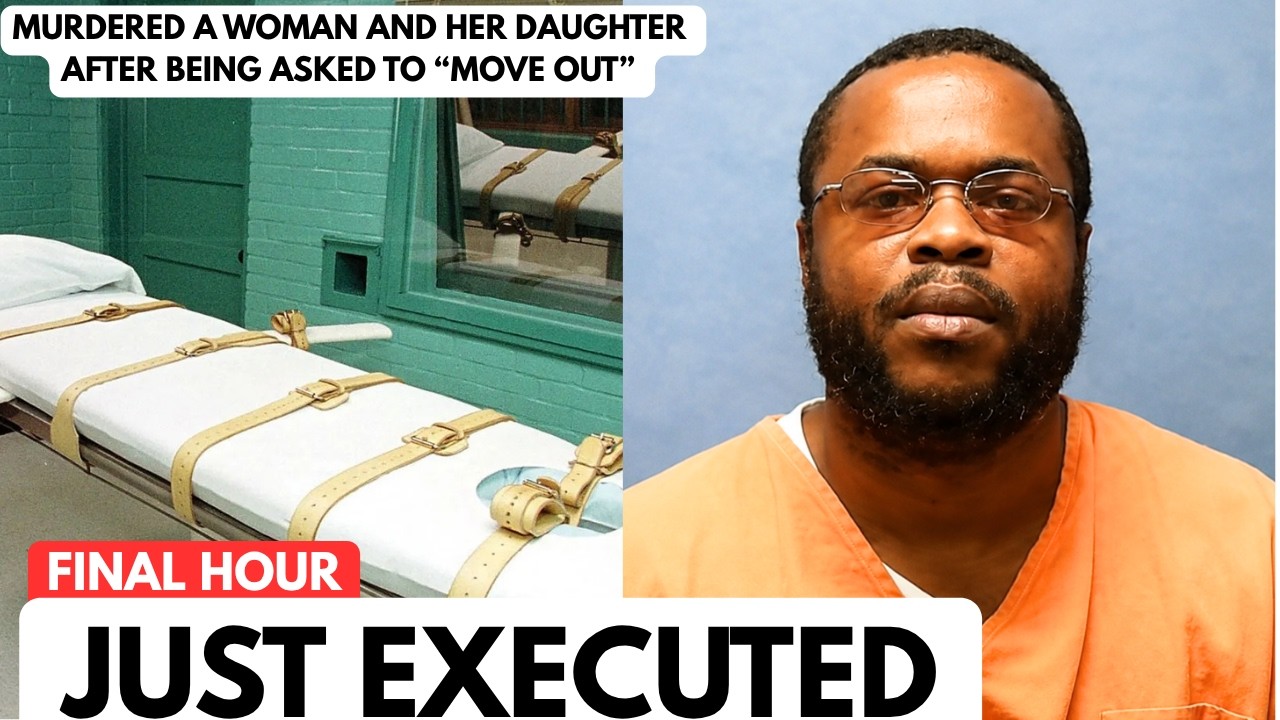 Defense attorneys challenged aspects of the evidence, including unresolved fingerprint questions on the murder weapon, and raised claims regarding Knight’s mental state at the time of the crime. Despite these arguments, the jury convicted Knight on all charges, and he was sentenced to death.
Over the next 26 years, Knight pursued a series of appeals at both the state and federal level. His legal team challenged the conviction, the handling of evidence, and aspects of Florida’s execution protocols, but courts repeatedly upheld the original verdict and death sentence. Discussions about the use of lethal injection and the safety and transparency of Florida’s execution procedures became part of the public discourse surrounding the case.
On May 21, 2026, after all appeals and clemency petitions were denied, Knight was executed at 6:13 PM. The execution followed standard protocols, and Knight’s final statements and last meal were recorded as part of the public record.
 The case has continued to generate attention not only because of the nature of the crime but also because of the length of time Knight spent on death row and the unresolved questions about forensic evidence. Supporters argue that the execution provided long-delayed justice for the victims and their families. Critics point to the extended legal process and ongoing forensic questions as examples of the complexities and challenges inherent in the administration of capital punishment.
Today, the Richard Knight case remains a notable example in Florida’s history of capital punishment, serving as both a reference point for death row procedures and a discussion topic in broader debates about the criminal justice system, forensic science, and the ethical dimensions of the death penalty.


