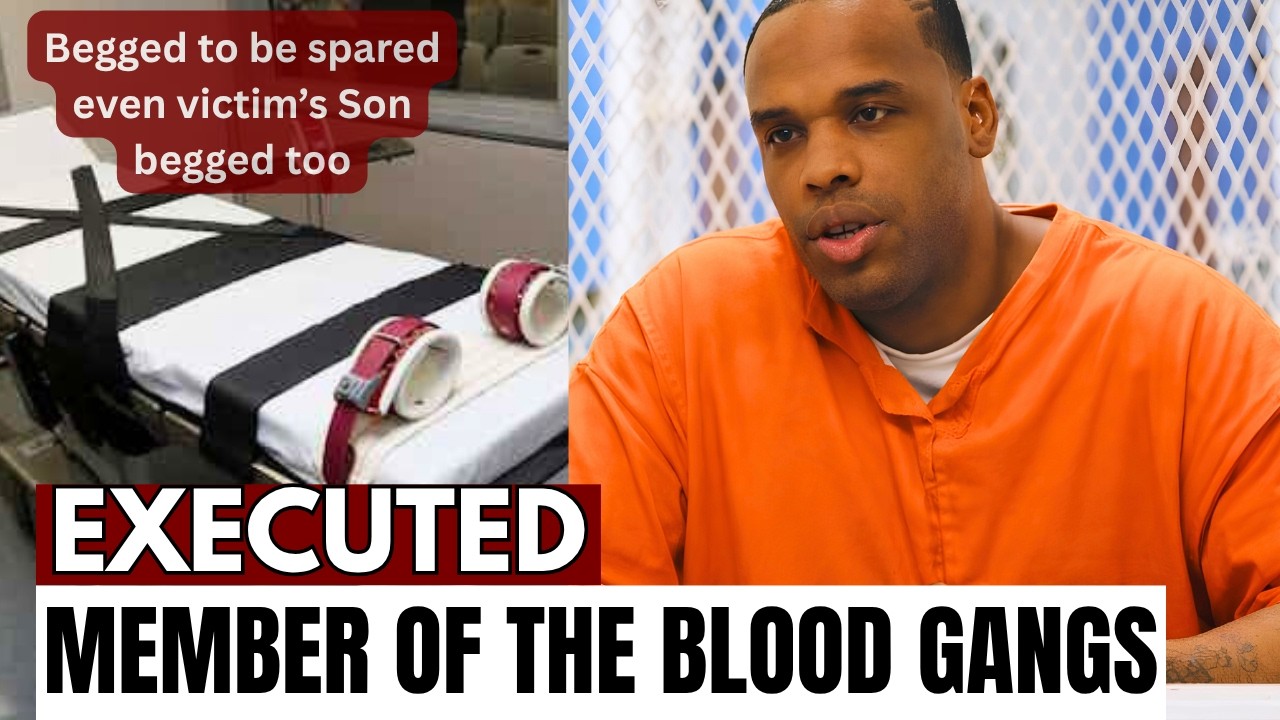
In a poignant chapter of justice, James Edward Barber was executed in Alabama on July 21, 2023, after spending over two decades on death row. The lethal injection took place at Holman Correctional Facility at 1:56 a.m., marking a somber conclusion to a case that has captivated and divided public opinion for years.
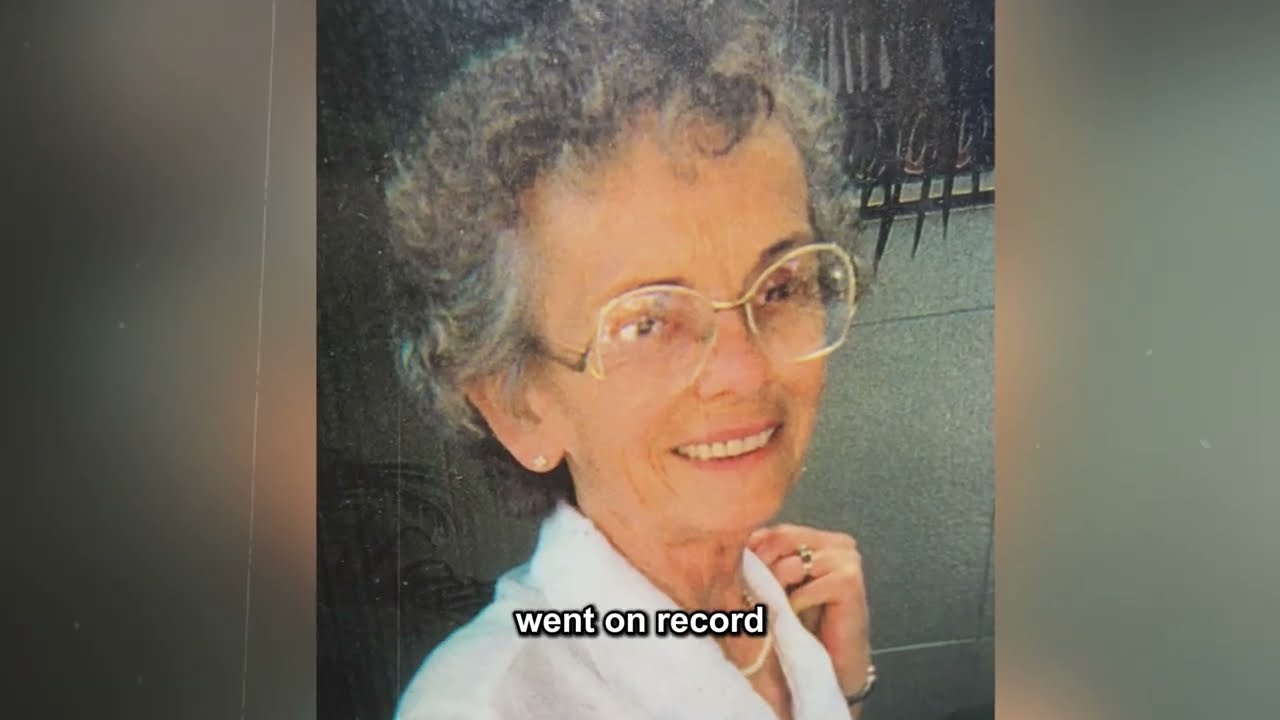
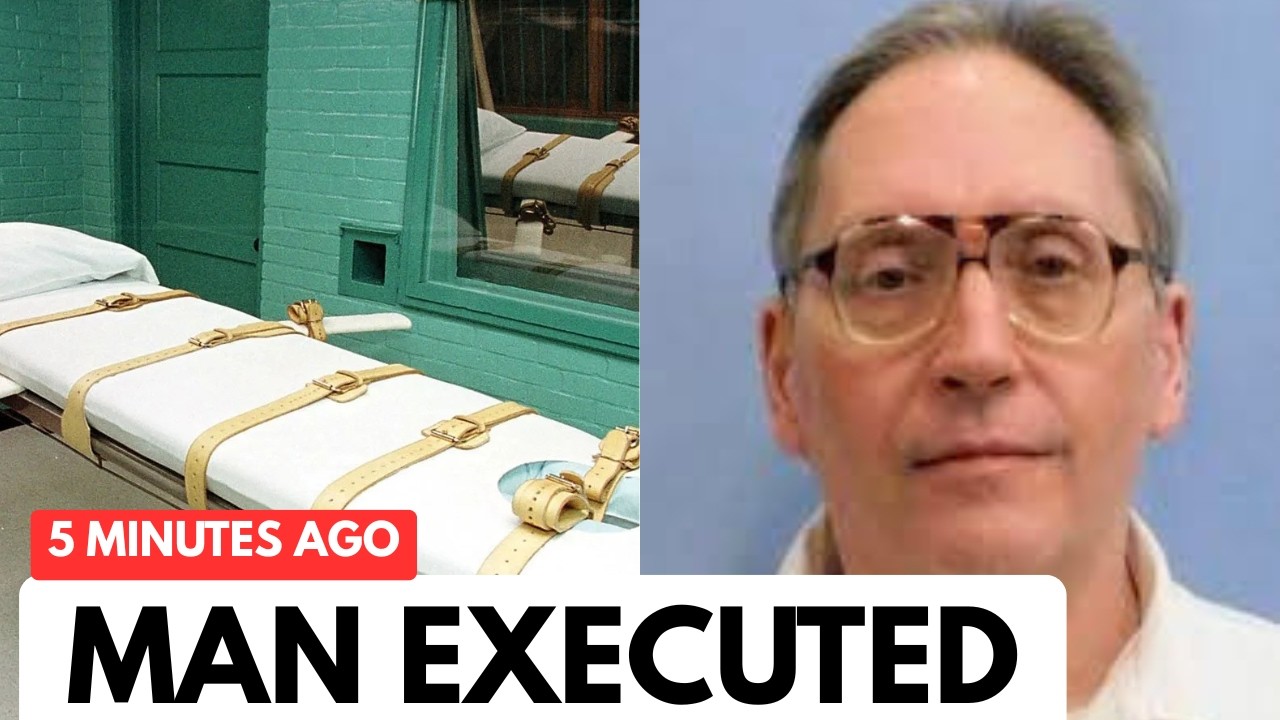 Barber’s journey to death row began on May 20, 2001, when he violently attacked 75-year-old Dorothy Epps in her own home. Known to the Epps family, Barber had previously dated Dorothy’s daughter and had done repair work on her house. When he arrived that fateful evening, she likely recognized him and welcomed him inside without hesitation. Tragically, this decision would lead to her untimely death.
Reports indicate that Barber was inebriated and under the influence of drugs at the time of the crime, having consumed significant amounts of alcohol and narcotics earlier that day. While this detail does not excuse his actions, it paints a fuller picture of the events that transpired. Epps suffered severe injuries consistent with a struggle, and Barber fled the scene after stealing her purse.
Days later, Barber confessed to the crime in a detailed video statement, expressing remorse and acknowledging the senselessness of his actions. This confession became a critical piece of evidence during his trial, where he was ultimately convicted of capital murder. The jury’s recommendation for the death penalty was not unanimous—11 jurors voted for death, while one favored life without parole. This non-unanimous decision would later spark discussions about Alabama’s controversial sentencing laws.
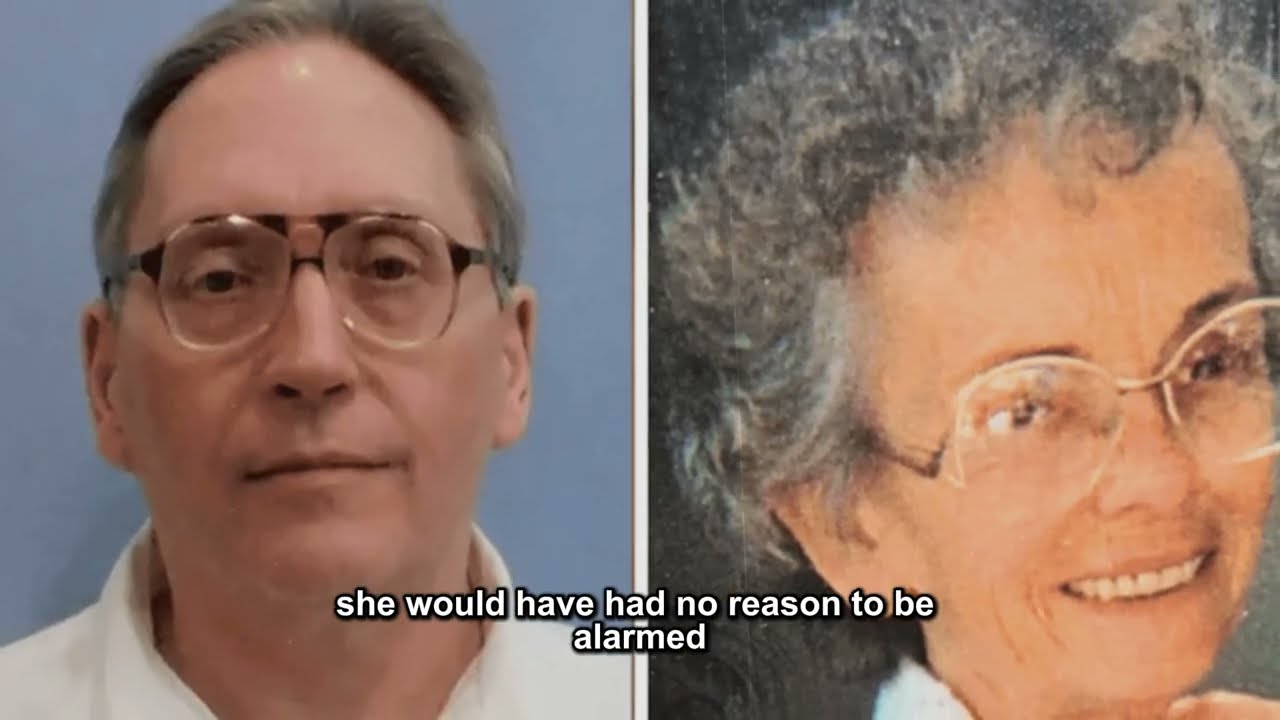
After arriving on death row, Barber reportedly underwent a significant transformation, embracing religion and expressing remorse for his past actions. In letters to supporters, he described a profound spiritual awakening, stating, “God is so good. My life was over.” This change in perspective, however, did not erase the pain felt by Epps’s family.
In a remarkable twist, Sarah Gregory, Epps’s granddaughter, chose to reach out to Barber years after the murder, offering him forgiveness. Their correspondence blossomed into a genuine connection, with Gregory publicly opposing Barber’s execution. Her stance brought a unique perspective to the case, challenging conventional notions of justice and retribution.
As Barber’s execution date approached, his legal team raised concerns about Alabama’s troubled history with lethal injections, citing several botched executions in recent years. They argued that Barber faced a substantial risk of severe harm if executed by lethal injection, especially given his higher body mass index. Despite these arguments, the U.S. Supreme Court declined to grant a stay of execution, allowing the process to move forward.
On the night of his execution, Barber spent his final hours surrounded by visitors and spiritual advisors. He declined a traditional breakfast but enjoyed a final meal of loaded hash browns, a western omelet, spicy sausage, and toast. In a moment described as unexpected, Barber and those around him sang hymns, including “When the Saints Go Marching In” and “Amazing Grace.”
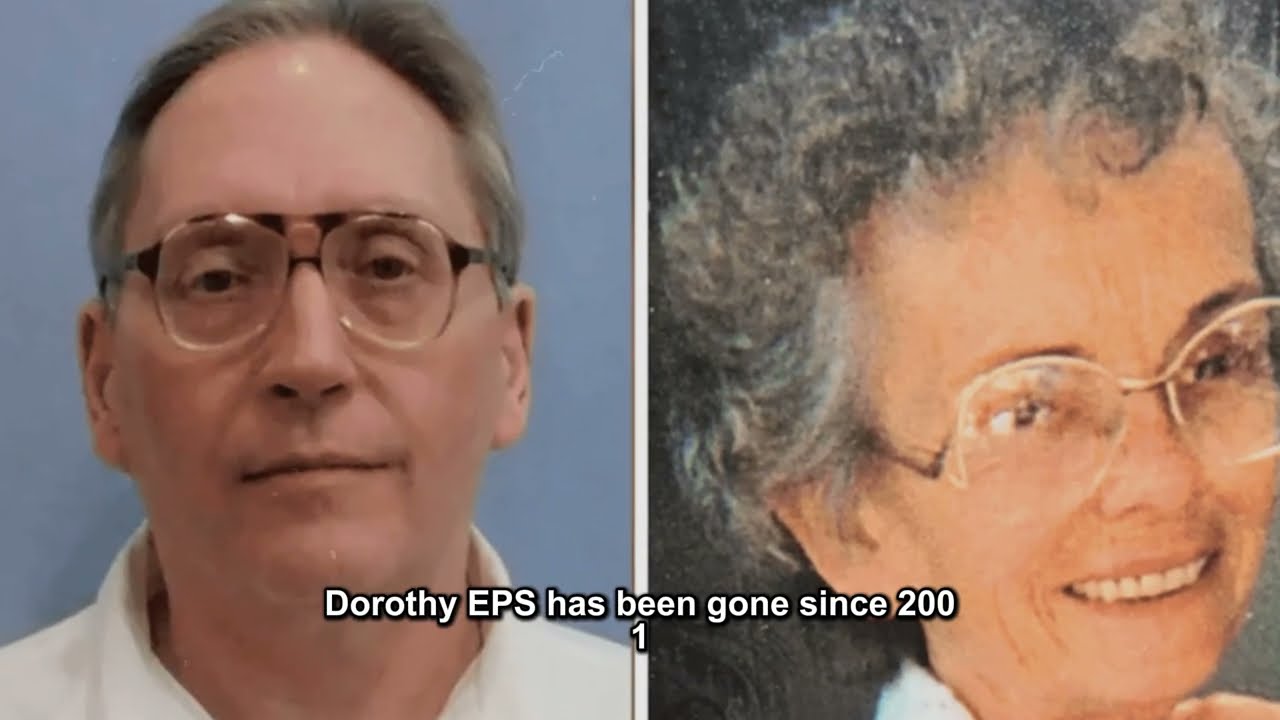
As the execution commenced, Barber expressed his love and remorse to Epps’s family, stating, “I’m sorry for what happened. I truly am.” He also forgave those involved in the execution process, including Governor Kay Ivey. After his final words, Barber was pronounced dead shortly after the drugs were administered.
The aftermath of Barber’s execution has reignited discussions about the death penalty and the complexities of justice. Attorney General Steve Marshall declared that “justice has been served,” but for many, including Sarah Gregory, the question remains: Was justice truly served, or does forgiveness hold a different kind of power?