On June 11, 2001, Timothy McVeigh, once a decorated Army veteran, faced his final moments after being sentenced to death for the Oklahoma City bombing. His execution marked a chilling chapter in American history, as he became the first person executed by the federal government in nearly four decades.
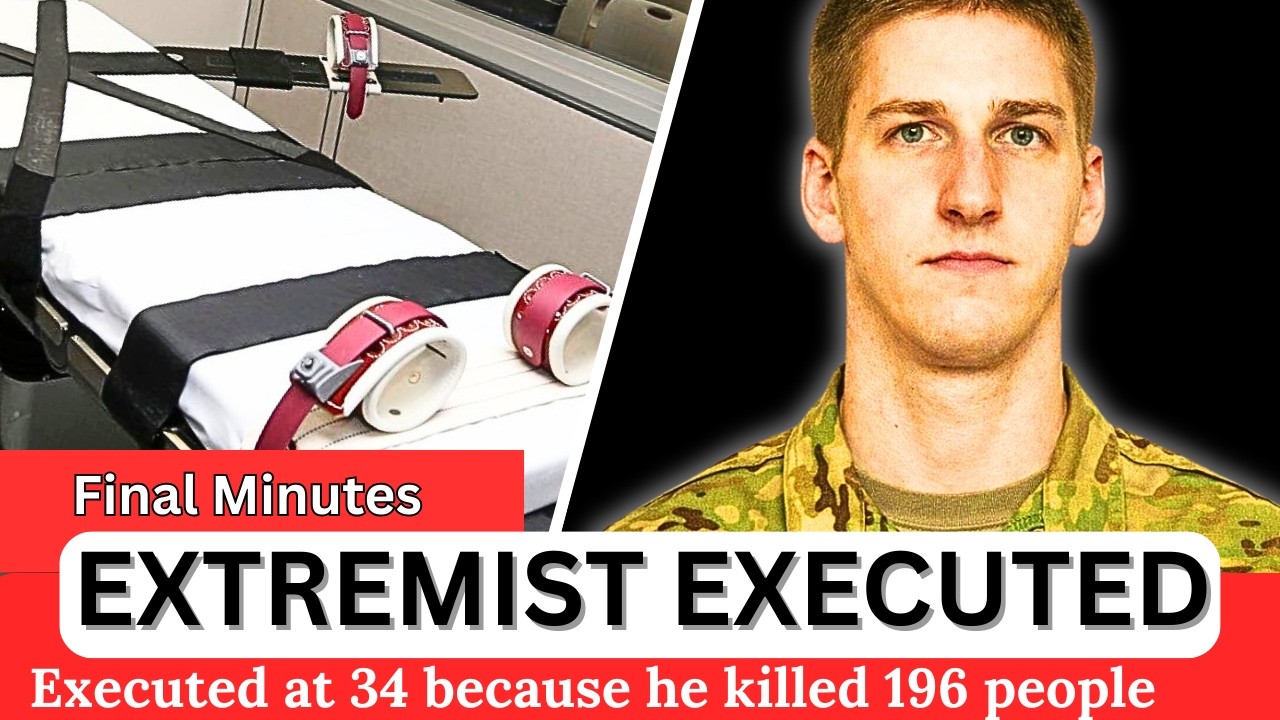 To understand the gravity of his actions, we must rewind to April 19, 1995, a seemingly ordinary spring morning in Oklahoma City. The Alfred P. Murrah Federal Building stood tall, filled with innocent lives, including 19 children at a daycare center on the second floor. In a horrific act of domestic terrorism, McVeigh detonated a truck bomb packed with 5,000 pounds of explosives, resulting in the deaths of 168 individuals and injuring 684 others. The blast was so powerful it registered 3.0 on the Richter scale, shaking the ground and shattering windows miles away.
McVeigh’s journey from a Gulf War veteran to a mass murderer began with a deep-seated anger towards the federal government, fueled by events like the Ruby Ridge standoff and the Waco siege. These incidents radicalized him, leading him to believe he was fighting against a tyrannical government. With accomplices, he meticulously planned the bombing, selecting the Murrah Building as his target due to its connection to federal law enforcement agencies.
 After the bombing, McVeigh was apprehended just 90 minutes later during a routine traffic stop. He was calm and cooperative, unaware that he had just committed one of the deadliest acts of terrorism in U.S. history. The investigation quickly linked him to the bombing, leading to his arrest and a trial that would reveal the extent of his actions and beliefs.
During his trial, the prosecution painted a harrowing picture of the devastation caused by McVeigh’s actions. Testimonies from survivors and family members of victims highlighted the profound loss and suffering inflicted upon the community. Despite attempts by his defense to argue for a lesser sentence, the jury found him guilty, and he was sentenced to death.

As McVeigh awaited execution, he showed little remorse for his actions. In his final hours, he opted for a simple last meal of mint chocolate chip ice cream, reflecting a stark indifference to the lives he had taken. On the day of his execution, he was calm, even joking with prison staff, and chose to submit a written statement rather than speak aloud.
 When the moment came, McVeigh was strapped to a gurney, his eyes wide open, staring directly into the camera as the lethal injection began. Witnesses reported that he never blinked, maintaining his defiant gaze until the very end. At 7:14 a.m. Central Time, he was pronounced dead, leaving behind a legacy of pain and tragedy.
In the aftermath, the nation grappled with the horror of that day, as families mourned their losses and the scars of the bombing lingered. McVeigh’s execution reopened discussions about justice and the complexities of domestic terrorism. As we reflect on this dark chapter, one question remains: how do we ensure that history does not repeat itself?


