Elon Musk’s “Hodl” Typo Sends Crypto Twitter Into a Frenzy
Elon Musk has once again reminded the internet that one short post from him can turn into a full-scale conversation across the cryptocurrency world. This time, it was not a major Tesla announcement, a SpaceX update, or a detailed comment about Bitcoin. It was a single unusual word: “hodl.”
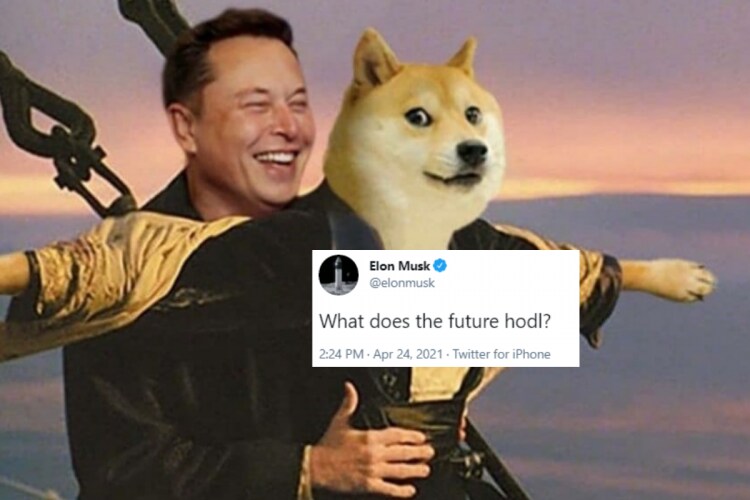
The Tesla and SpaceX chief posted a short question on Twitter asking, “What does the future hodl?” At first glance, the sentence looked like a simple typo. Most people would normally expect the phrase to read, “What does the future hold?” But crypto users immediately recognized the spelling as something far more loaded. In cryptocurrency culture, “HODL” is one of the most famous slang terms, used by investors who refuse to sell even during extreme market volatility. The Musk tweet was reported in 2021 by outlets covering his ongoing influence over Bitcoin and Dogecoin discussions.
The word “HODL” originally began as a typo in a 2013 Bitcoin forum post, when a user accidentally misspelled “hold” while writing about refusing to sell during a price drop. Instead of disappearing as a mistake, the word became a meme, then a motto, and eventually a full investment philosophy inside crypto communities. It is now commonly interpreted as “Hold On for Dear Life,” even though that meaning came later.
That is why Musk’s post caused such a reaction. For ordinary users, it may have looked like a spelling error. For crypto traders, it looked like a coded signal. Was Musk simply joking? Was he encouraging investors to keep holding Bitcoin, Dogecoin, or crypto in general? Or was he just playing with internet language in the way he often does?
The ambiguity was exactly what made the tweet spread. Musk has a long history of influencing crypto conversations, especially around Dogecoin and Bitcoin. His posts have often been treated by online traders as market-moving signals, even when they are humorous, vague, or meme-like. Researchers have also studied how social media activity, including influencer tweets, can shape sentiment and behavior in cryptocurrency markets.
The “hodl” moment showed how deeply crypto culture depends on language. Terms like HODL, FOMO, whale, moon, diamond hands, and paper hands are not just jokes. They are part of a shared vocabulary that allows online communities to interpret market fear, loyalty, risk, and hype in real time. A single word can suggest confidence. A meme can become a trading attitude. A typo can become a rallying cry.
For Musk, the post fit perfectly into his online personality. He has often mixed humor, irony, and market-adjacent commentary in ways that leave followers debating whether he is making a serious point or simply entertaining himself. That style has helped make him one of the most closely watched figures on social media, particularly among retail investors and crypto communities.

But the reaction also raised a familiar concern: when a billionaire with massive influence uses ambiguous crypto language, the market may respond even if the message has no clear financial meaning. Some investors treat Musk’s posts as entertainment, while others read them as clues. That difference can create volatility, especially in a market already driven heavily by sentiment.
The “What does the future hodl?” tweet became another example of the strange relationship between Musk, Twitter, and cryptocurrency. It was short, playful, and possibly accidental — yet it immediately sent users searching for meaning. In the crypto world, that is often enough.
Whether Musk meant “hold” or deliberately wrote “hodl,” the result was the same: crypto Twitter turned one word into a debate about the future of digital assets, investor psychology, and the power of internet culture to move money.
In the end, the moment proved something simple but important. In traditional finance, investors watch earnings reports, interest rates, and economic data. In crypto, they watch those too — but they also watch memes, misspellings, emojis, and Elon Musk’s timeline.