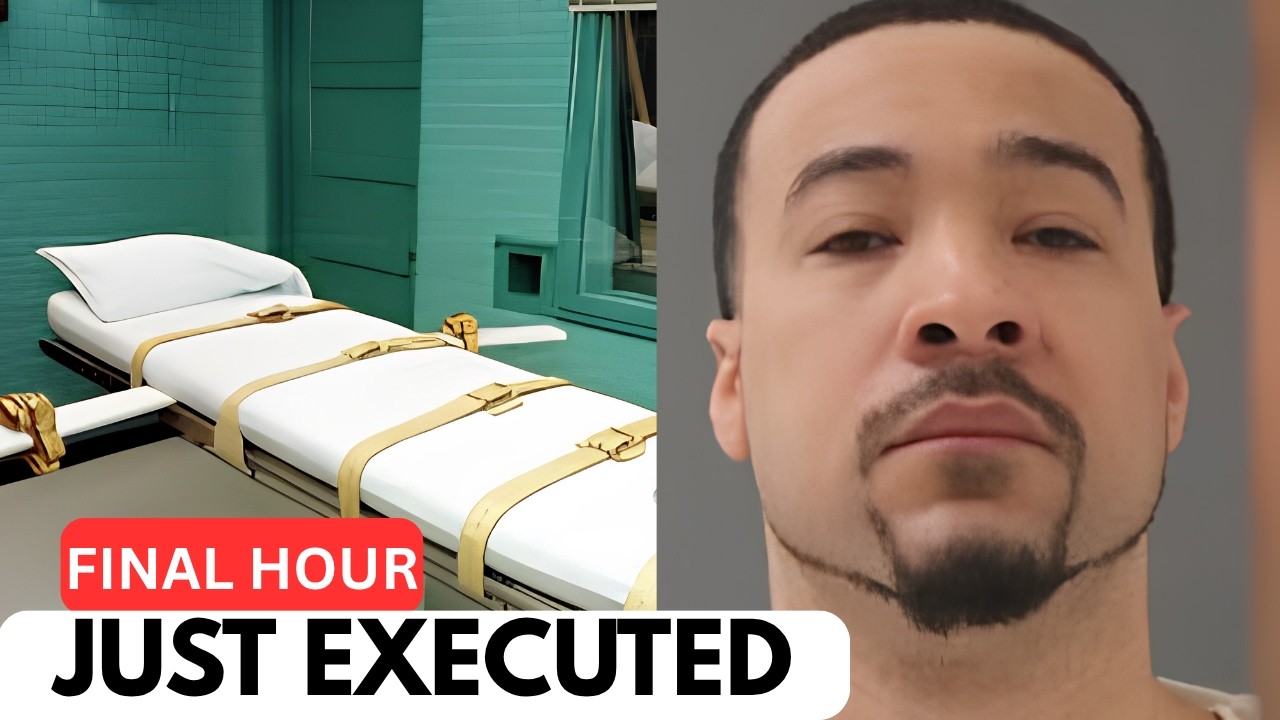
In a haunting conclusion to a decades-long saga, notorious serial killer Danny Paul Bible was executed in Texas on June 27, 2018. Known as the “ice pick killer,” Bible’s chilling last words and the circumstances surrounding his execution have left an indelible mark on those who witnessed it
 As the clock struck 6:32 p.m., the 66-year-old Bible took his final breaths in the Huntsville death chamber. Confined to a wheelchair due to Parkinson’s disease, he appeared frail, but the horrors of his past painted a stark contrast to his fragile state. Instead of expressing remorse, he whispered chillingly, “It’s burning. It hurts,” as the lethal drugs began to flow through his veins
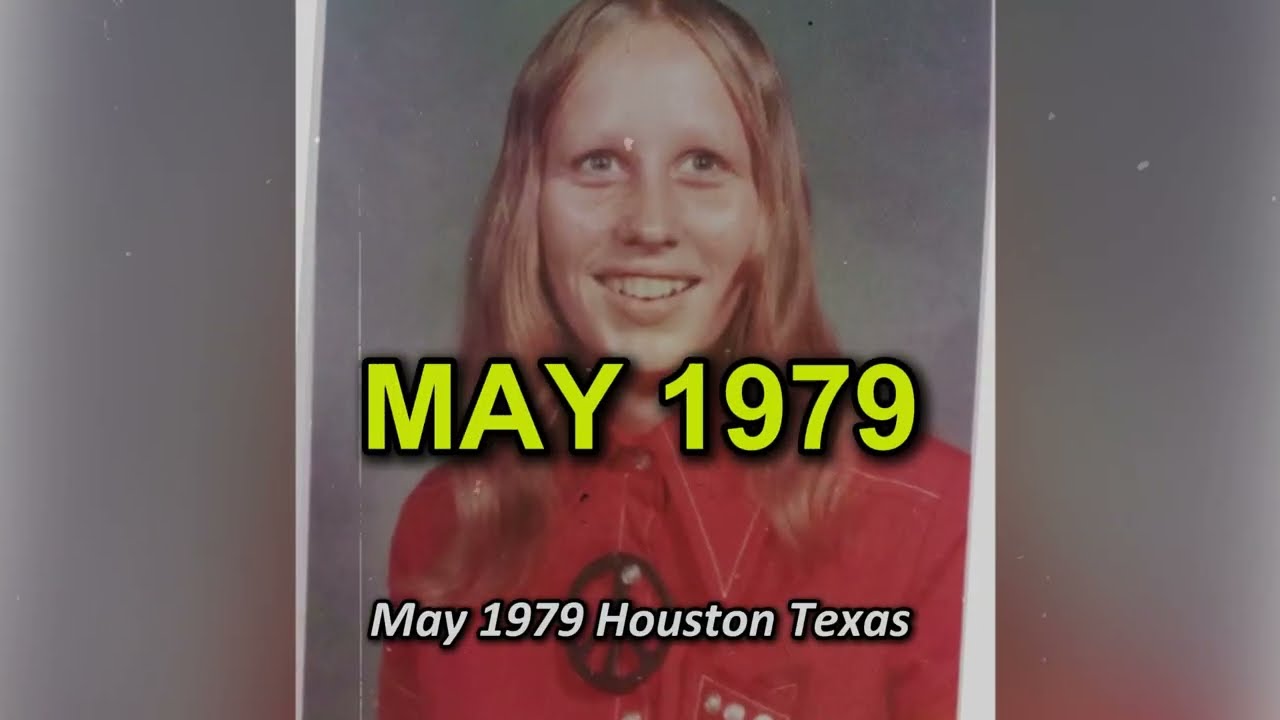
Bible’s criminal history is one of the most disturbing in Texas. His reign of terror began in 1979 with the brutal murder of 20-year-old Inz Deedon, who was found raped and stabbed multiple times with an ice pick. This heinous act would remain unsolved for nearly two decades, as forensic technology at the time was insufficient to connect Bible to the crime
In 1983, Bible escalated his violence, committing the 𝓈𝒽𝓸𝒸𝓀𝒾𝓃𝑔 murders of three victims in a single day: his sister-in-law, her infant son, and a roommate. Despite the overwhelming evidence, he was only convicted for one murder, receiving a mere 25-year sentence. However, he served just seven years before being released on parole, a decision that would have catastrophic consequences
Once free, Bible’s violent tendencies resurfaced, leading to more assaults and rapes across multiple states. His most notorious act during this period was the rape of a woman named Terara Robinson in Louisiana in 1998. Unlike many of his previous victims, Robinson survived and provided crucial information to the police, leading to Bible’s arrest.
During interrogation, Bible confessed to numerous crimes, including the long-unsolved murder of Inz Deedon and the triple homicide from 1983. In 2003, he was tried in Texas, where the jury was presented with his extensive criminal history. After just three hours of deliberation, they sentenced him to death, with prosecutors labeling him as one of the most dangerous offenders

Fast forward to 2018, Bible’s health had severely deteriorated, raising concerns about the execution process. His attorneys argued that lethal injection could be a cruel and unusual punishment due to his weakened state. They proposed alternative methods, but Texas officials dismissed these claims, insisting that the execution would proceed as planned
As the execution day arrived, witnesses gathered, including family members of the victims and Bible’s own relatives. Outside the prison, protesters voiced their opposition to the death penalty, but inside, preparations continued without interruption. Bible was wheeled into the chamber, where the execution team quickly established IV lines, dispelling fears of a botched procedure.
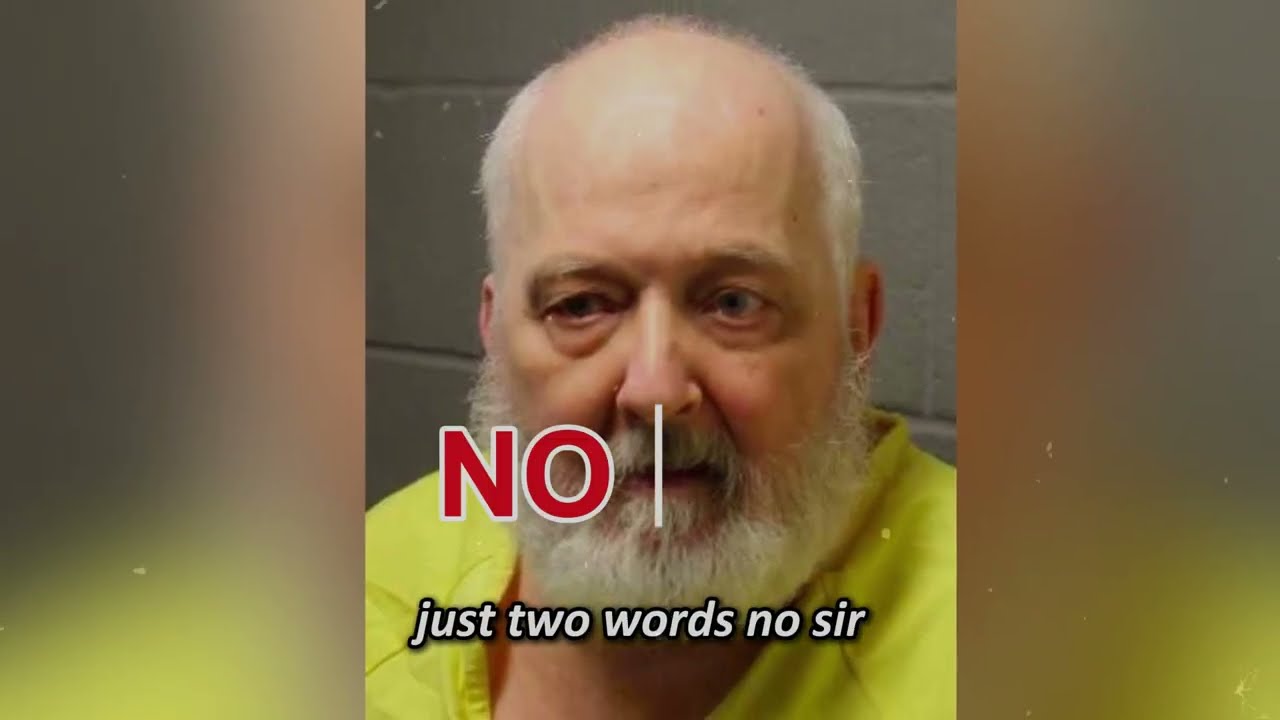
When asked if he had any final words, Bible simply replied, “No, sir.” As the drugs began to take effect, his demeanor shifted dramatically. Witnesses reported his eyes widening and his breathing becoming erratic before he uttered those haunting final words, “It’s burning. It hurts.” Moments later, he was pronounced dead.
In the aftermath, Larry Lance, brother of one of Bible’s victims, expressed relief and satisfaction that justice had finally been served. He stated, “Danny Paul Bible is as vile and evil a person as has ever drawn breath,” emphasizing the closure felt by families who had waited decades for this moment.
Bible’s execution raises difficult questions about the justice system and the fate of elderly, severely ill inmates. While some argue that executing someone in such a condition is inhumane, others contend that the victims he harmed never had the chance to grow old. As discussions about justice and morality continue, the legacy of the ice pick killer remains a chilling reminder of the impact one individual can have on countless lives. What does this case reveal about the complexities of justice and the human experience?