A Mexican streamer who built an online following by hurling racial slurs at Black Americans was violently assaulted by members of the Crips gang in Texas and Los Angeles over the weekend, authorities confirmed Monday. The attack came after the streamer, whose identity has not been officially released by police, posted multiple videos calling Black people the N-word with a hard “er” and using dehumanizing language such as “chimp out” in an effort to go viral. The man was chased down and beaten in at least two separate incidents, first in Texas and then in Los Angeles, where gang members reportedly recognized him from his streams and confronted him.
Video circulating on social media shows the streamer hiding his face, admitting he was scared, and saying, “I didn’t want to get beat up by a black man.” He later acknowledged that his viral clips were “all bad” and that people were “calling for my death.”
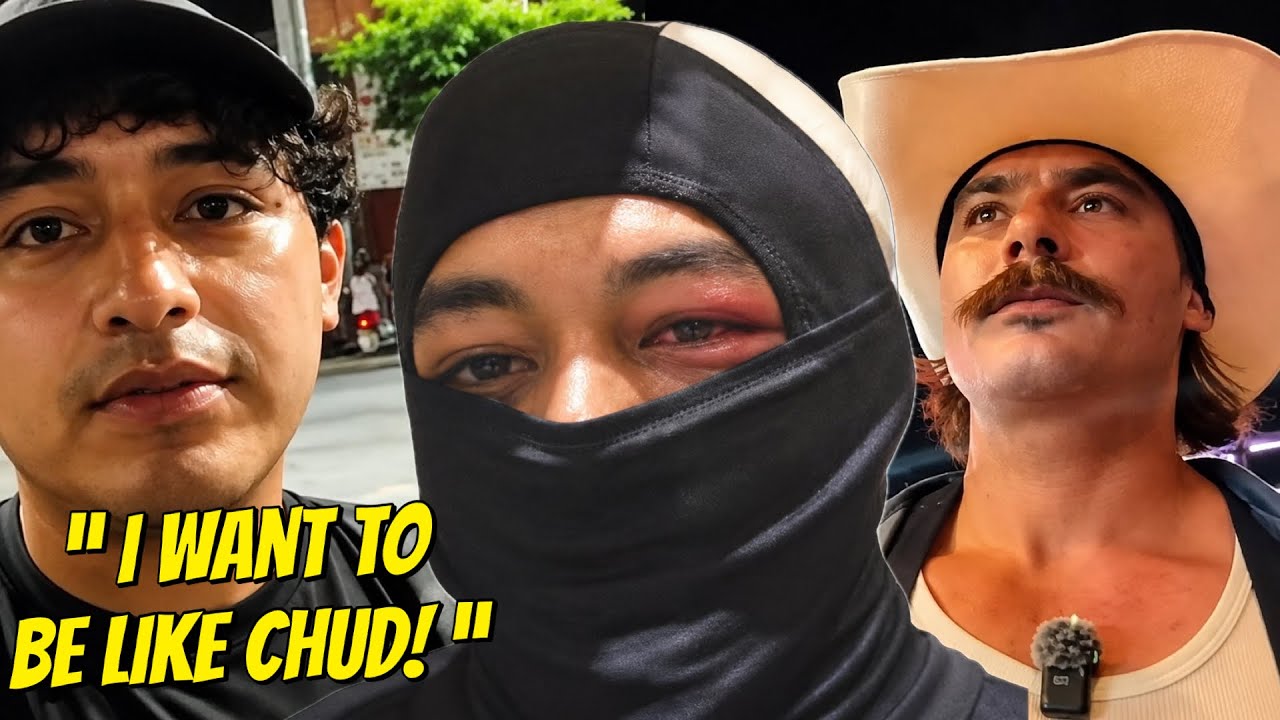 The streamer had been actively trying to emulate another notorious racist content creator known as “Chud the Builder,” whose real name is Dalton Eatherly. Eatherly, 28, is currently in a Tennessee jail facing attempted murder charges after he shot a Black man outside a Clarksville courthouse on May 13, then accidentally shot himself during the scuffle. Eatherly had built a following by filming himself using the same racial slurs and provoking Black individuals.
In the courthouse shooting incident, Eatherly claimed the victim confronted him over his online content, but witnesses said Eatherly escalated the situation. He now faces life in prison. The Mexican streamer had reportedly praised Eatherly as a role model, saying he wanted to “differentiate himself” by copying the same hateful tactics.
Law enforcement sources say the Mexican streamer first drew attention in Austin, Texas, where he began his racist rants on public sidewalks. He then traveled to Houston and Dallas, where he was chased by groups of Black residents before being caught and beaten by Crips members in Los Angeles. The gang reportedly targeted him after his videos went viral within the local community.
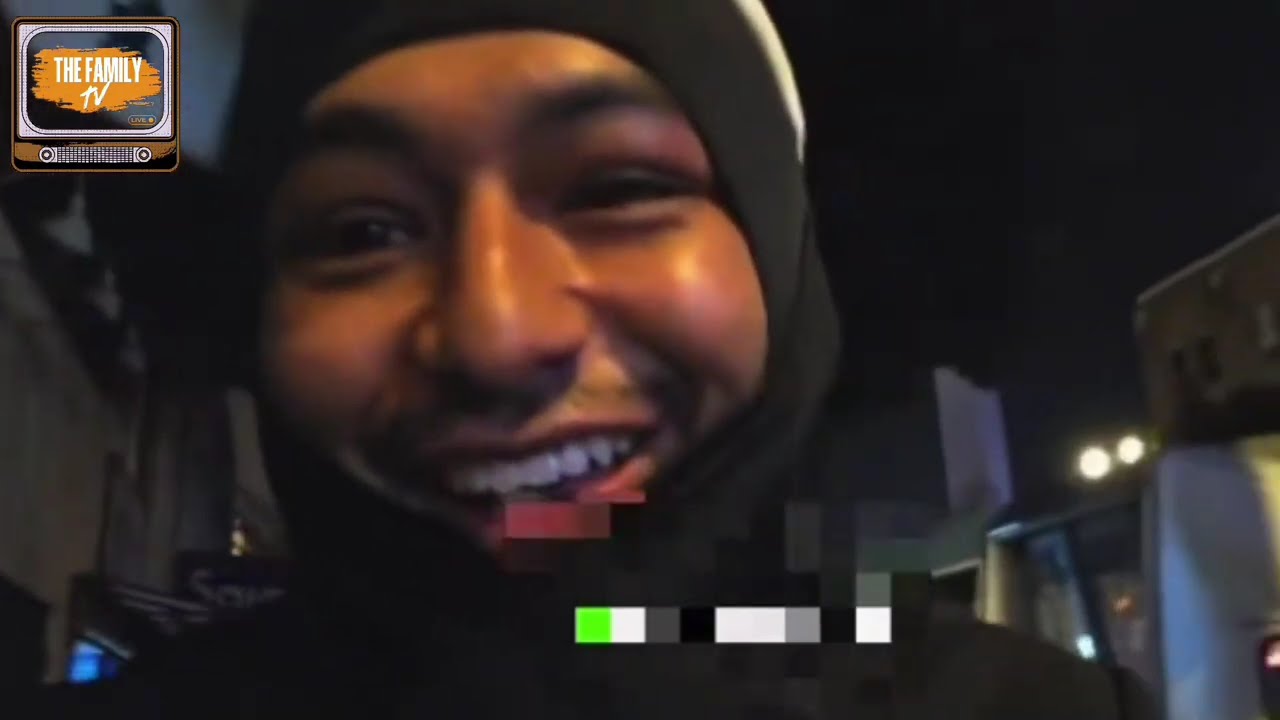
The streamer was not seriously injured but was treated for minor bruises and cuts. He has not been charged with any crime, but police are investigating whether his harassment of Black Americans constitutes a hate crime under Texas and California law. The streamer has since gone into hiding, posting a video wearing a ski mask to conceal his bruised face, saying he needed to “switch it up” for his “longevity.”
The incidents highlight a growing crisis on streaming platforms like Kick and Twitch, where creators are monetizing racist content to attract viewers and sponsors. Kick, launched in late 2022 by the founders of the crypto gambling site Stake. com, offers a 95-5 revenue split to creators and has looser content moderation than Twitch.
Critics say this has created a safe haven for hate speech, allowing streamers like Eatherly and the Mexican streamer to profit from racial provocation. The Mexican streamer’s videos were viewed millions of times before being taken down, but not before inspiring copycats. “Negativity sells,” one analyst noted.
“And because there’s a lane to fill, these platforms are allowing it.”
Community leaders in Texas and Los Angeles are calling for stricter enforcement against online hate speech that spills into real-world violence. “This is what happens when you treat racism as entertainment,” said Rev. Marcus Thompson of the NAACP’s Los Angeles chapter.
“These streamers are not just offending people; they are inciting attacks and endangering lives.” The Mexican streamer’s assault, while condemned by some, has been met with widespread public indifference or even approval on social media, with many saying he “got what he deserved.” But law enforcement warns that vigilante justice is not the answer.
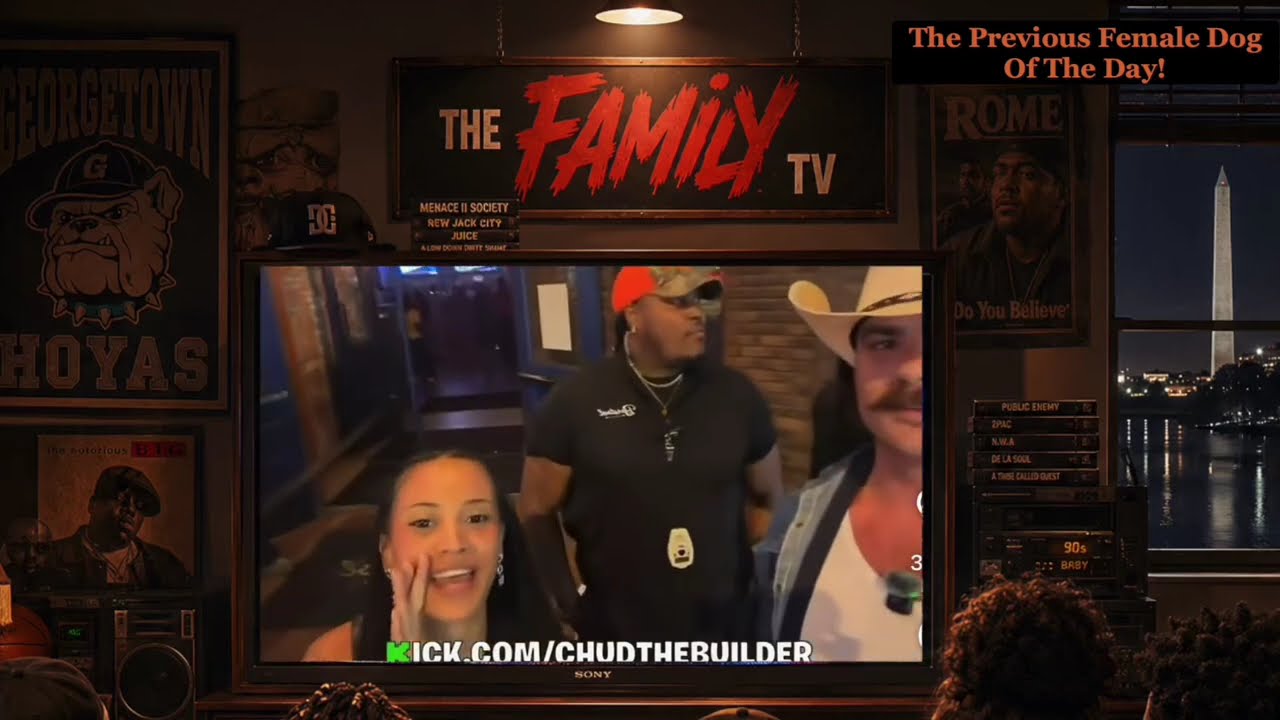 “No one should take the law into their own hands,” said LAPD spokesperson Officer Maria Gonzalez. “We are investigating both the streamer’s actions and the assault.”
The streamer’s connection to Eatherly is particularly troubling. Eatherly had been arrested just days before the courthouse shooting for refusing to pay a $400 restaurant bill. He was out on bond when he shot the Black man, who remains in stable condition.
Eatherly is now charged with attempted murder, aggravated assault, and reckless endangerment. He remains incarcerated without bond. The Mexican streamer, in his post-assault video, admitted he looked up to Eatherly and wanted to “go viral” like him.
“But these clips are no good, bro,” he said. “It’s all bad.” He added that he saw “threads” of people calling for his death, but he continued streaming anyway.
The broader context of these incidents cannot be ignored. The Mexican streamer’s racist rhetoric taps into a long history of anti-Black sentiment in Latin America, where many countries have systemic racism against people of African descent. In the United States, Black Americans have fought for centuries to gain rights and respect, only to see foreign-born individuals come here and use racial slurs for profit.
“This is what you’re voting for when you align with people who treat Black Americans this way,” one commentator said in the viral video covering the story. “Foreigners come here to benefit from the civil rights we fought for, and then they spit on us.”
Streaming platforms are now under pressure to act. Kick has not commented on the Mexican streamer’s case, but its lenient moderation policies have been criticized before. Twitch, which banned gambling streams in 2022, has also struggled to police hate speech.
The Mexican streamer had accounts on both platforms, and his videos were clipped and shared widely. “These platforms need to realize that words have consequences,” said Dr. Linda Park, a media ethics professor at UCLA.
 “When you allow people to monetize racial slurs, you are directly contributing to the violence that follows.”
As of Monday, the Mexican streamer’s whereabouts are unknown. He has not posted new content since the assault. Meanwhile, Dalton Eatherly remains in jail, awaiting trial.
The two cases serve as a stark reminder that the internet’s obsession with viral outrage can have deadly real-world repercussions. “Keep knocking on the devil’s door, sooner or later somebody’s going to answer it,” one observer said. For the Mexican streamer, that answer came in the form of a gang beating.
For Eatherly, it came in the form of a prison cell. And for the Black victims, it came in the form of bullets and bruises.
Authorities are urging anyone with information about the Mexican streamer’s identity or his racist activities to come forward. The FBI has been notified, and hate crime charges may be filed if evidence shows he targeted individuals based on race. The Crips members involved in the assault have not been identified, and police say they are still investigating.
The streamer’s decision to wear a ski mask in his latest video suggests he fears further retaliation. “He’s lucky he’s still alive,” one law enforcement source said. “If he keeps this up, he won’t be.”
The story has reignited debate about free speech versus hate speech on the internet. While the First Amendment protects offensive speech, it does not protect incitement to violence. The Mexican streamer’s repeated use of racial slurs and his taunting of Black individuals could be considered harassment, which is not protected.
Legal experts say he could face civil lawsuits from victims, but criminal charges are unlikely unless he directly threatened someone. “The real problem is the platforms,” said attorney James Carter. “They are the ones enabling this behavior by paying these people.”
 Kick’s business model is particularly concerning. The platform was created by the founders of Stake. com, an unregulated crypto casino that has faced scrutiny for its ties to gambling addiction and money laundering.
By offering a 95-5 revenue split, Kick attracts creators who are banned from other platforms for hate speech or gambling. The Mexican streamer likely earned thousands of dollars from his racist streams before being banned. “It’s a race to the bottom,” said media analyst Sarah Kim.
“These platforms are competing for the worst content because it drives engagement.”
In the wake of the attacks, some are calling for a boycott of Kick and Twitch until they implement stronger hate speech policies. Others argue that the solution lies in community accountability. “We can’t rely on corporations to police morality,” said activist Jamal Wright.
“We have to show these streamers that their actions have consequences, just like what happened in LA.” The Mexican streamer’s beating may deter others from following the same path, but history suggests it will only embolden a new wave of provocateurs looking for their 15 minutes of fame.
For now, the Mexican streamer is lying low. His last words on camera were: “I got to switch it up. These clips are no good.”
Whether he will actually change remains to be seen. But the damage is done. He has been labeled a racist, a coward, and a wannabe gangster.
And he has learned the hard way that in America, you cannot insult an entire community and expect to walk away unscathed. As one commenter put it: “Nobody wins when the family feuds. But sometimes, the family fights back.”