 A newly published archaeological study is reshaping historians’ understanding of rural life in the ancient Byzantine world. Researchers studying the village of Baʾude, one of the famous “Dead Cities” of northern Syria, have uncovered evidence of remarkably advanced construction techniques, sophisticated home designs, and a highly organized society that once flourished far from the great imperial capitals.
The findings, published in the Bulletin of the American Society of Overseas Research (BASOR), challenge the long-standing belief that rural communities during late Antiquity were simple or isolated. Instead, the evidence suggests that these settlements possessed architectural knowledge and economic prosperity comparable to much larger urban centers.
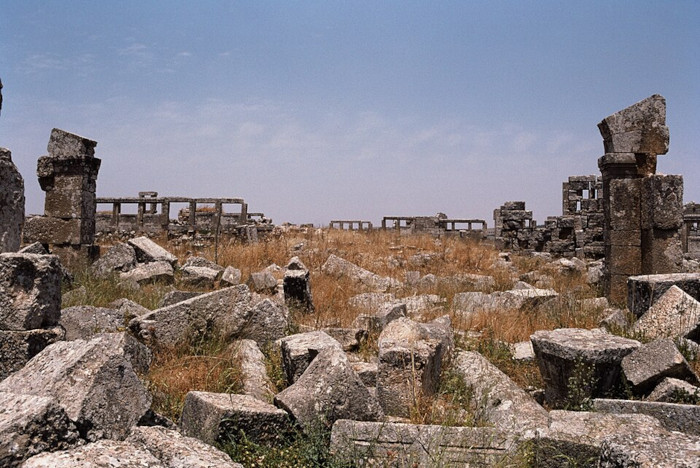
Located between Aleppo and Idlib in northwestern Syria, Baʾude is part of the UNESCO-listed “Ancient Villages of Northern Syria,” often referred to as the “Dead Cities.” The region contains around 700 abandoned settlements that thrived between the 1st and 7th centuries AD before gradually declining and being deserted between the 8th and 10th centuries.
What makes these sites extraordinary is their preservation. Because many villages were slowly abandoned rather than suddenly destroyed, much of their architecture remains intact, offering archaeologists a rare glimpse into everyday life during the Roman and Byzantine periods.
 Sophisticated Stone Construction
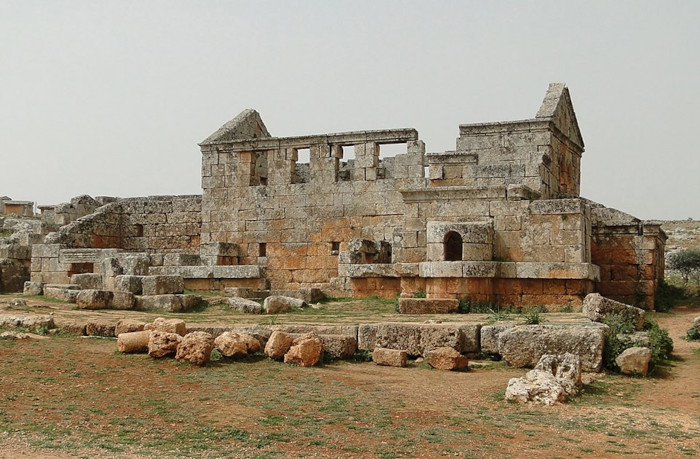
According to the study, the homes of Baʾude were built almost entirely from locally quarried limestone using highly refined stone-cutting techniques. The structures featured precisely fitted ashlar masonry, multi-story layouts, decorative façades, and elegant architectural details such as carved medallions, relief crosses, and ornate stone lintels.
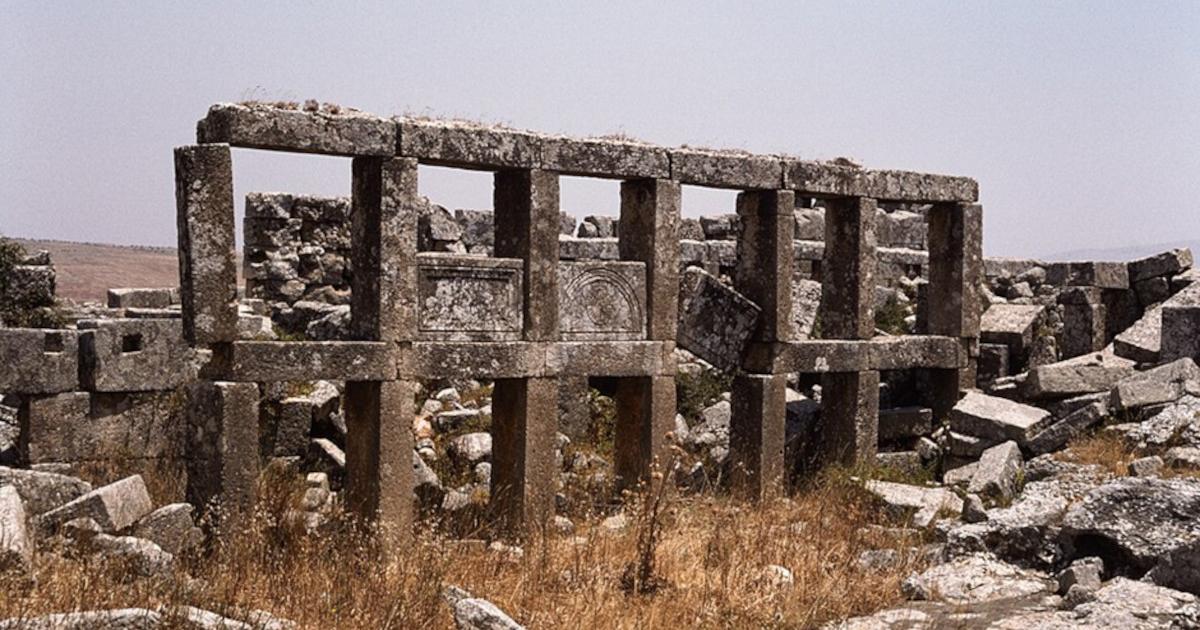
Researchers also documented large porticoes — colonnaded walkways placed at the entrances of homes — a distinctive architectural feature commonly associated with the Dead Cities region.
Inside the homes, archaeologists discovered carefully organized domestic layouts centered around private courtyards. These open spaces served both practical and social purposes, providing ventilation, privacy, and gathering areas for families.
Some residences even contained specialized reception rooms known as androns, traditionally used to host male guests. Historians say this suggests a sophisticated social culture and formal etiquette among the inhabitants.
The homes also integrated agricultural production directly into daily life. Olive presses, storage spaces, and work areas were built into residential compounds, reflecting the agrarian economy that brought prosperity to the region for centuries.
Connected to a Wider World
The discoveries further indicate that these villages were not isolated rural outposts. Archaeologists found evidence of imported goods alongside locally produced olive oil and wine, suggesting active participation in regional and Mediterranean trade networks.
Comparisons with nearby settlements such as Serjilla and Ruweiha reveal consistent architectural traditions across the region, reinforcing the idea of a culturally connected and economically thriving society.
Experts now consider the Dead Cities among the best-preserved examples of late antique rural settlements anywhere in the world.
 A Fragile Historical Legacy
Despite their historical significance, Syria’s Dead Cities face growing threats from conflict, looting, environmental deterioration, and neglect. Archaeologists warn that some structures have already suffered irreversible damage over recent years.
Researchers say documenting sites like Baʾude is now more urgent than ever. Detailed surveys of building layouts and construction methods may help preserve knowledge of these ancient communities even if parts of the ruins are eventually lost.
The discoveries at Baʾude serve as a reminder that the achievements of ancient civilizations were not limited to emperors and monumental cities. Across the limestone hills of northern Syria, ordinary farmers, merchants, and craftsmen built communities of remarkable sophistication — and their story is only now beginning to be fully understood.