On June 24, 1993, 14-year-old Jennifer Ertman and 16-year-old Elizabeth Peña left a summer pool party in Houston, Texas, intending to walk home before curfew. Instead, the two teenagers encountered a group of gang members, setting in motion one of the most shocking crimes in modern Texas history.
According to prosecutors, Jennifer and Elizabeth were abducted while walking through a park in Houston. Investigators later determined that both girls were sexually assaulted and murdered by members of a local gang. The brutality of the crime stunned the city and quickly became national news.
When the teenagers failed to return home, their families reported them missing. Days later, authorities discovered their bodies in a remote area. The investigation rapidly intensified, leading detectives to several suspects connected to the gang.
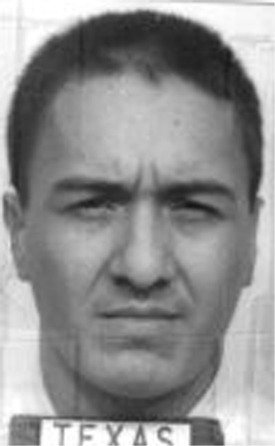
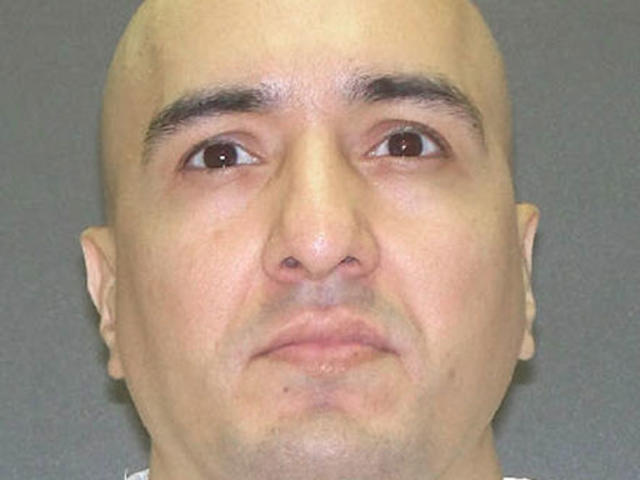
Prosecutors ultimately charged six men in connection with the murders. Court testimony detailed a prolonged and violent attack that lasted for hours. The evidence presented during trial led jurors to convict the defendants on multiple charges, including capital murder.
The legal outcomes varied among the six men. Three defendants were eventually executed by the State of Texas after years of appeals. Two others had their death sentences reduced following significant legal developments involving juvenile offenders and Supreme Court rulings that changed how the death penalty could be applied to crimes committed by individuals under the age of 18.
One of the most important developments came in 2005 when the United States Supreme Court ruled in Roper v. Simmons that executing individuals for crimes committed while they were juveniles violated the Constitution. As a result, several death sentences connected to the case were converted to life imprisonment.
 The case also attracted international attention because some of the defendants were foreign nationals, leading to legal disputes involving treaty rights, diplomatic issues, and appeals that reached some of the highest courts in the United States.
For the families of Jennifer Ertman and Elizabeth Peña, the legal proceedings stretched across decades. Executions, resentencing hearings, parole reviews, and appeals repeatedly brought the case back into public view. Even decades later, family members continued speaking publicly about the impact of the crime and their desire to ensure the victims were not forgotten.
One defendant who received a life sentence has repeatedly sought parole but has been denied multiple times. Those hearings have renewed public discussion about punishment, rehabilitation, and whether any sentence can adequately address crimes of such severity.
More than thirty years after the murders, the case remains one of the most widely known criminal prosecutions in Texas history. It is remembered not only because of the horrific nature of the crimes but also because it became part of broader national debates about juvenile offenders, capital punishment, parole, and the limits of the justice system.
Today, the names Jennifer Ertman and Elizabeth Peña continue to symbolize both an unimaginable tragedy and a legal legacy that influenced discussions about how America punishes the most serious crimes. Their case remains a painful reminder of the lasting impact violent crime has on victims’ families and the difficult questions that can persist long after courts have issued their final rulings.