The monument stands in Riga, but most people walk past it without knowing what it honors. It marks the Battle of Riga, the fight that secured Latvia’s independence. The city had been captured by the Germans in September 1917, then fell to the Bolsheviks in early 1919. The Germans and the Freikorps returned in May of that year, and by the end of the year, the Russian prince Bermont-Aval made a final push for the city with German volunteers.
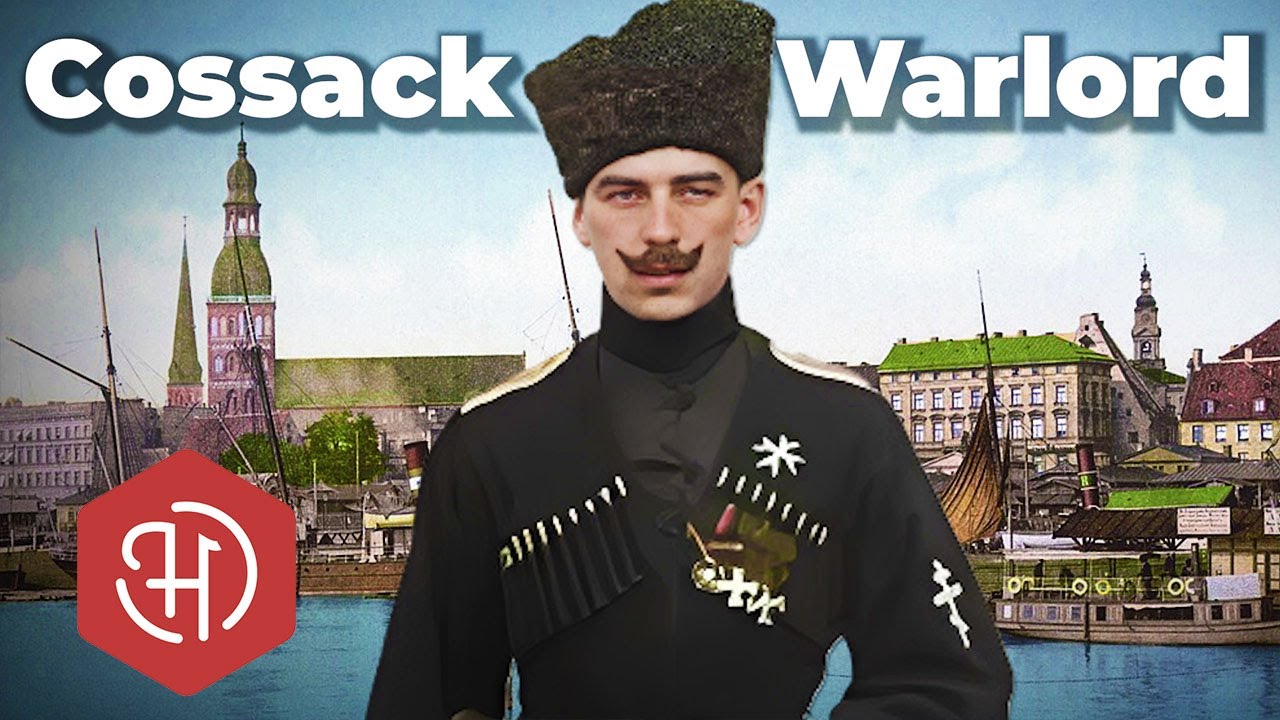
They were called the Bermontians. They failed, and with that failure, Latvia kept its freedom. At the end of World War I, Latvia was still occupied by the German 8th Army. Despite that, on November 18, 1918, the Republic of Latvia was proclaimed independent in Riga.
Just days later, the Red Army of Soviet Russia invaded, starting a war for Latvian independence that would last two years. In December 1918, the Bolshevik Red Army entered Latvian territory. The Bolsheviks claimed to support the right of nations to self-determination, but in practice they used military force to keep the former Russian Empire together. The Bolshevik revolution, with its slogans of class war, brought a new kind of military radicalism that found a strong reception in Latvia.
Soviet Russia tried to install short-lived Bolshevik governments in each of the Baltic countries during 1918 and 1919. Between 1918 and 1921, more than 200,000 refugees returned from Russia to Lithuania, and almost 400,000 to Latvia. These returning people brought with them anxiety and political radicalism. Among the Bolshevik ranks were Latvian riflemen, veterans who had served far from home and mistakenly believed they were returning to fight the Germans.
With them came a Latvian Soviet government organized in Moscow, headed by Peter Stuchka, a close ally of Lenin. Soon almost all of Latvia was under Bolshevik control, except for an area around Liepaja. On January 3, 1919, the first units of the Soviet Latvian army reached Riga. As the Bolsheviks advanced, German troops of the Baltic Landeswehr joined the fighting to resist them.
On March 3, 1919, anti-German forces attacked along the Kurzeme front, but within weeks the Landeswehr had seized key towns. Tukums fell on March 15, and Jelgava on March 18. The fall of Jelgava brought the Bolshevik regime in Latvia near collapse. In a desperate effort to rebuild their strength, the Bolsheviks announced general conscription, drafting nearly all able-bodied men into their army.
In the early morning of May 22, 1919, anti-Bolshevik troops launched a major assault on Riga. The Soviet Latvian army, poorly equipped, demoralized, and badly organized, offered only brief resistance. The Latvian riflemen fought symbolically but soon retreated or deserted. By early afternoon, the first Landeswehr units entered the city.
Fighting continued in Riga’s streets until the morning of May 23. Small Bolshevik groups and militias tried to slow the German advance while Soviet officials fled the city in panic, sometimes exchanging gunfire with their pursuers. By that same day, the last Red forces had retreated beyond Jugla, while a separate Latvian brigade under Jānis Balodis reached Riga and clashed with remaining Bolshevik elements northwest of the city. After the fighting ended, more than 200 dead Bolsheviks lay in Riga’s streets.
In the days that followed, the new authorities unleashed harsh reprisals against suspected Bolsheviks and sympathizers, a campaign later known as the White Terror. Many innocent people were caught up in the violence, and it took on a distinctly ethnic character, since most of the victims were ethnic Latvians. The exact number of people killed is uncertain, with estimates ranging from 500 to 700, and some as high as 5,000. The Bermontiad was a key chapter in Latvia’s war of independence, fought between October 8 and December 3, 1919.
During this campaign, the Latvian army, supported by the Allied powers, faced the forces of Pavel Bermont-Avalov, a well-armed and numerically superior enemy. The conflict began with Bermont’s forces launching an offensive against Riga, but it ended in their decisive defeat and expulsion from Latvia. Despite being outnumbered, the newly formed Latvian army met the attack with determination, courage, and a strong sense of national purpose. The Western Volunteer Army, popularly known as the Bermontians, was a German-sponsored White Russian force.
It was formed on May 9, 1919, by the charismatic General Major Pavel Bermont-Avalov, who in fact acknowledged no man’s superiority. His nominally Russian army, headquartered in Jelgava, Latvia, was mainly recruited from POW camps in Germany and was actually controlled by General Rüdiger von der Goltz. The German Sixth Reserve Corps would hide German Legion and Iron Division personnel in the Western Volunteer Army in September 1919 to deceive the Inter-Allied Commission into thinking they had returned to Germany after June 1919, as demanded. The Western Volunteer Army comprised only 10,000 White Russians in the first Western Volunteer Corps, but reportedly as many as 40,000 Germans in the second Western Volunteer Corps.
The turning point came on November 10 and 11, 1919, when Latvian forces liberated Pārdaugava, the western part of Riga, forcing Bermont’s Western Russian Volunteer Army to retreat towards Jelgava. When Jelgava was liberated on November 21, the Bermontiad effectively came to an end. Although fierce fighting continued elsewhere until Latvia’s full liberation, this victory marked one of the most significant moments in the nation’s struggle for independence. The Bermontiad, one of the bloodiest battles of Latvia’s 1918–1920 war of independence, became a powerful symbol of national will and unity.
It was the first major victory of the Latvian army acting as an independent national force, proving that Latvians could fight successfully for their own freedom. The battle demonstrated not only the country’s resolve for independence, but also its commitment to democratic ideals and to social and national justice. For Latvia, this victory meant the final defeat of German military power on its soil and opened the way to continue the fight for Latgale’s liberation from Soviet Russia. Pavel Bermont-Avalov personified everything the founders of independent Latvia opposed.
A self-proclaimed colonel and monarchist, he dreamed of restoring the Russian Empire and rejected the right of small nations to self-determination. In his desire to rebuild the old empire, Bermont stood as an enemy of Latvian independence, much like the Bolsheviks in Moscow. After his military defeat, Pavel Bermont-Avalov remained active in Russian emigrant politics, seeking to restore the old order through far-right counterrevolution. Taking cues from the political movements gaining strength in interwar Europe, he aligned himself with German right-wing and monarchist groups such as the Stahlhelm, with the shared goal of fighting communism.
In 1939, he was arrested by the Gestapo and imprisoned for 18 months. His release came only after Benito Mussolini personally intervened on his behalf. Following his release, Bermont was deported to Italy, from where he later moved to Belgrade. After the Yugoslav coup in 1941, he decided to leave Europe altogether, eventually settling in the United States.
Pavel Bermont-Avalov died in New York City on December 27, 1974, at the age of 97, and was buried at a Russian Orthodox monastery nearby, closing the life of one of the more controversial figures of the post-imperial Russian diaspora. In honor of the liberation of Pārdaugava, western Riga, November 11 is celebrated today as Lāčplēsis Day, a national day of remembrance for Latvian soldiers who fought for their country’s freedom.