 A decades-old mass murder case in Texas—known as the “KFC Murders”—has reached a major forensic breakthrough after investigators used advanced DNA genealogy to identify a third alleged perpetrator more than 40 years after the crimes.
1983 abduction and execution-style killings
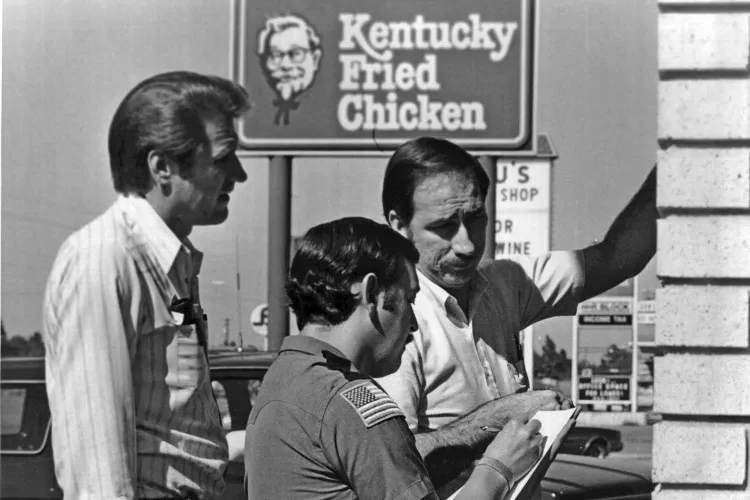
On September 23, 1983, five people were abducted during an armed robbery at a Kentucky Fried Chicken restaurant in Kilgore, Texas, according to the Texas Department of Public Safety.
The victims—Opie Hughes, Mary Tyler, Joey Johnson, David Maxwell, and Monty Landers—were reportedly forced from the restaurant and driven to a remote oil field in Rusk County, where they were later found shot execution-style. Investigators also said one victim was sexually assaulted. Approximately $2,000 was stolen during the robbery.
Two convictions, but DNA pointed to a third suspect
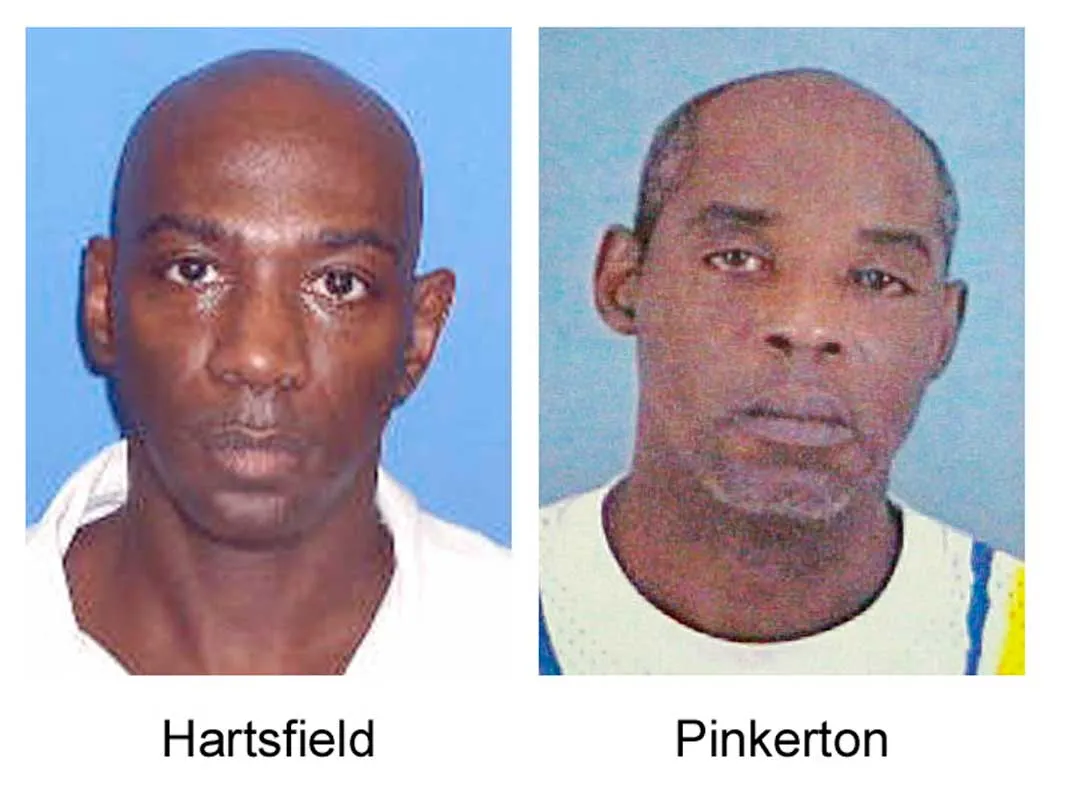
Two suspects, Romeo Pinkerton and Darnell Hartsfield, were convicted in 2007 and 2008 based on DNA evidence collected at the scene. However, forensic analysis revealed an additional unidentified DNA profile linked to the crime, indicating a third participant had not been identified.
For years, investigators pursued leads and eliminated hundreds of potential suspects as technology evolved.
 Breakthrough using forensic genealogy
In 2025, authorities announced that advanced DNA testing and forensic genealogy had identified Devan Riggs as the alleged third perpetrator. Officials said Riggs had been deceased for over a decade, meaning no arrest will be made and the case is now considered closed.
Investigators stated the identification was made after re-testing biological evidence from the victim’s clothing and narrowing the results through genealogical databases until Riggs was identified.
Earlier investigative errors revisited
Authorities also acknowledged that early misinterpretations of evidence slowed the investigation. A key forensic misunderstanding involving a fingernail found at the scene led investigators down an incorrect path for years, including suspicion of an individual later cleared through DNA testing.
Officials later confirmed the fingernail belonged to one of the victims, not a suspect.
Case closure after four decades
With the identification of all three alleged perpetrators, officials say the long-running investigation has effectively concluded, though they emphasize the case reflects both early investigative errors and major advances in forensic science.
The Texas Department of Public Safety and Texas Rangers credited modern DNA genealogy techniques for finally resolving one of the state’s most infamous cold cases.