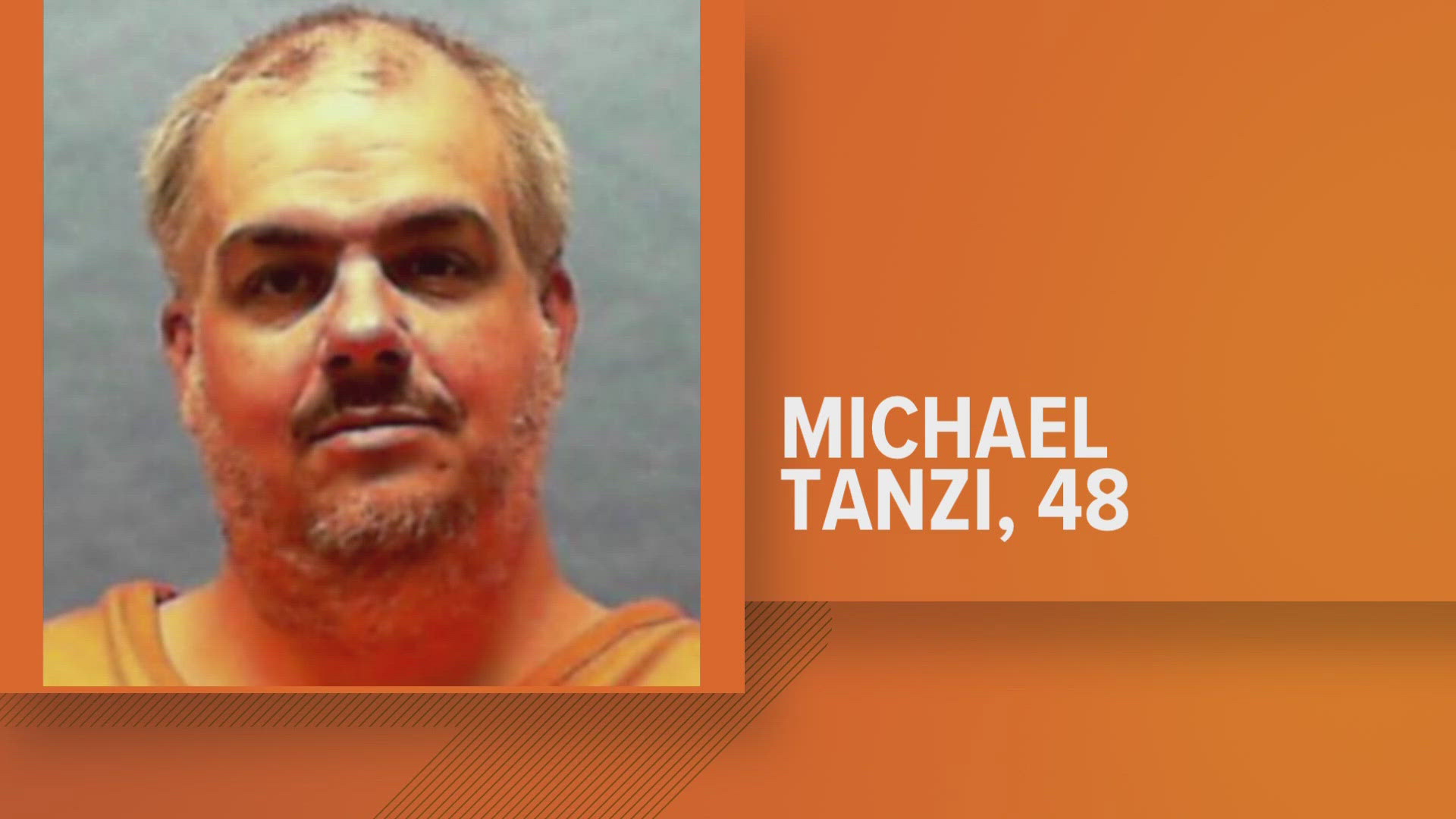
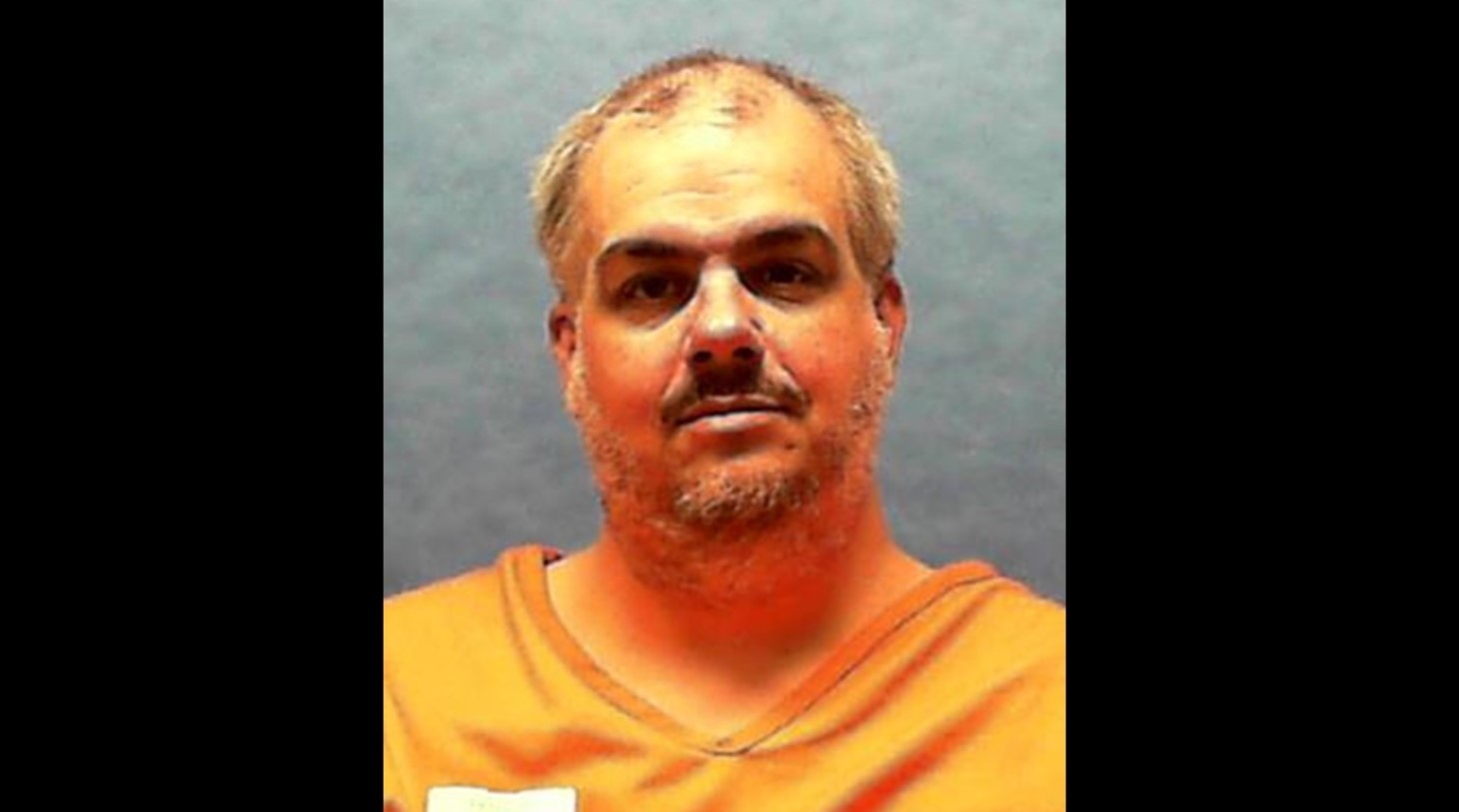
Florida Executes Michael Tanzi Nearly 25 Years After Murder of Janet Acosta
FLORIDA—After nearly a quarter-century of legal battles, Florida has executed Michael Wayne Tanzi for the 2000 abduction and murder of Janet Acosta, bringing a long-running and high-profile case to its conclusion. The crime, the extended court proceedings, and the eventual execution have reignited debates about justice, closure, and the long timelines often associated with capital cases.

The Crime That Shocked Florida
On a seemingly ordinary day in 2000, Janet Acosta, a 20-year-old woman, was abducted during her lunch break. According to prosecutors, Tanzi lured Acosta, robbed her, and transported her hundreds of miles to the Florida Keys, where he ultimately killed her. The brutal nature of the crime shocked the state, drawing widespread media attention and leaving Acosta’s family and the community devastated.
Investigators described the case as both premeditated and violent, emphasizing the terror Acosta experienced in her final hours. The case quickly became one of Florida’s most notorious stranger-abduction murder investigations, highlighting concerns about public safety and the handling of violent offenders.
Legal Proceedings and Appeals
Following his arrest, Michael Tanzi was tried and convicted of first-degree murder. He was sentenced to death, initiating a legal process that would stretch for 25 years, involving numerous appeals and procedural challenges.
Key aspects of the prolonged legal battle included:
- Multiple appeals arguing procedural errors and evidence handling
- Requests for reconsideration based on mental health evaluations and mitigating factors
- Challenges related to the lengthy delay between sentencing and execution
Despite these hurdles, Florida courts consistently upheld Tanzi’s conviction and death sentence, reinforcing the legal system’s stance on the severity of his crimes.
Final Hours and Execution
In his final hours, Tanzi reportedly expressed remorse. Witnesses and officials said he apologized to the family of Janet Acosta and recited a Bible verse prior to the execution, which was carried out by lethal injection.
The execution drew media attention both locally and nationally, serving as a stark reminder of the long timelines that often accompany capital punishment cases in the United States.

Public Reaction and Debate
The execution sparked diverse reactions. Some members of the public and supporters of the death penalty hailed the event as justice finally being served, emphasizing that Tanzi’s punishment reflected the severity of his crimes. For Acosta’s family, the execution may have represented a sense of closure, albeit after a prolonged and painful wait.
Others, however, raised broader questions:
- Does executing someone decades after a crime truly bring peace to victims’ families?
- Are long delays in capital punishment cases a source of additional trauma for all parties involved?
- Should the focus be on retribution, rehabilitation, or restorative justice?
Legal scholars and psychologists often note that while executions provide finality in a legal sense, the emotional and psychological impact of such crimes may persist long after legal resolution.
Lessons from the Tanzi Case
The Michael Tanzi case highlights several critical issues in the American justice system:
- The complexity of capital punishment cases: Long appeals and legal delays are common, especially in high-stakes crimes.
- Victims’ family trauma: Even after an execution, grief, loss, and trauma continue to affect families.
- The role of media and public perception: High-profile cases shape public debate about the morality and effectiveness of the death penalty.
- Ethical considerations: Prolonged time on death row raises questions about fairness, mental health, and human rights.
Conclusion
The execution of Michael Wayne Tanzi closes a chapter in one of Florida’s most infamous criminal cases. While it represents legal closure, the case also serves as a reminder of the lingering pain associated with violent crime.
⚖️ After decades-long trials and delays, do executions bring true closure to victims’ families, or does the trauma remain enduring? Should the focus of justice in such cases be retribution, rehabilitation, or a balance of both?
The story of Janet Acosta and Michael Tanzi continues to resonate, highlighting the enduring challenges and moral dilemmas inherent in the American death penalty system.