CASE FILE: SAMUEL LEE SMITHERS — THE FORMER DEACON BEHIND A FLORIDA MURDER CASE THAT HAUNTED TAMPA BAY
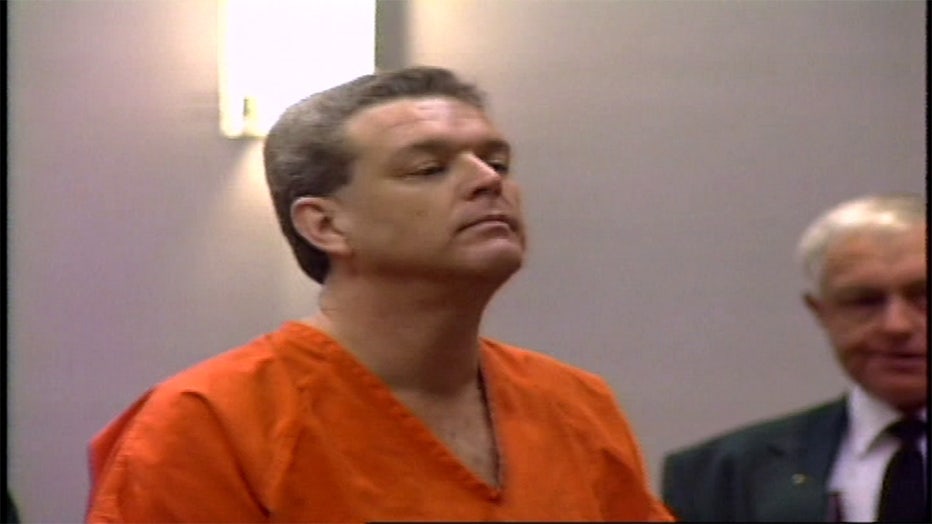
Florida has carried out the execution of Samuel Lee Smithers, a former Baptist deacon whose case became one of the most disturbing murder investigations to emerge from the Tampa Bay area in the 1990s.
Smithers, 72, was executed by lethal injection at Florida State Prison near Starke after his final appeals were exhausted. He had been convicted of two counts of first-degree murder in the deaths of Denise Roach and Christy Cowan, two women whose bodies were discovered on rural property near Plant City in 1996. Officials said he was pronounced dead at 6:15 p.m.
The case began with missing-person concerns and quickly turned into something far darker. Investigators were led to a pond on a property where Smithers had been doing landscaping work. What they found there exposed a horrifying pattern: two women, killed separately, then left in the same area as if their lives had been discarded and hidden from the world.
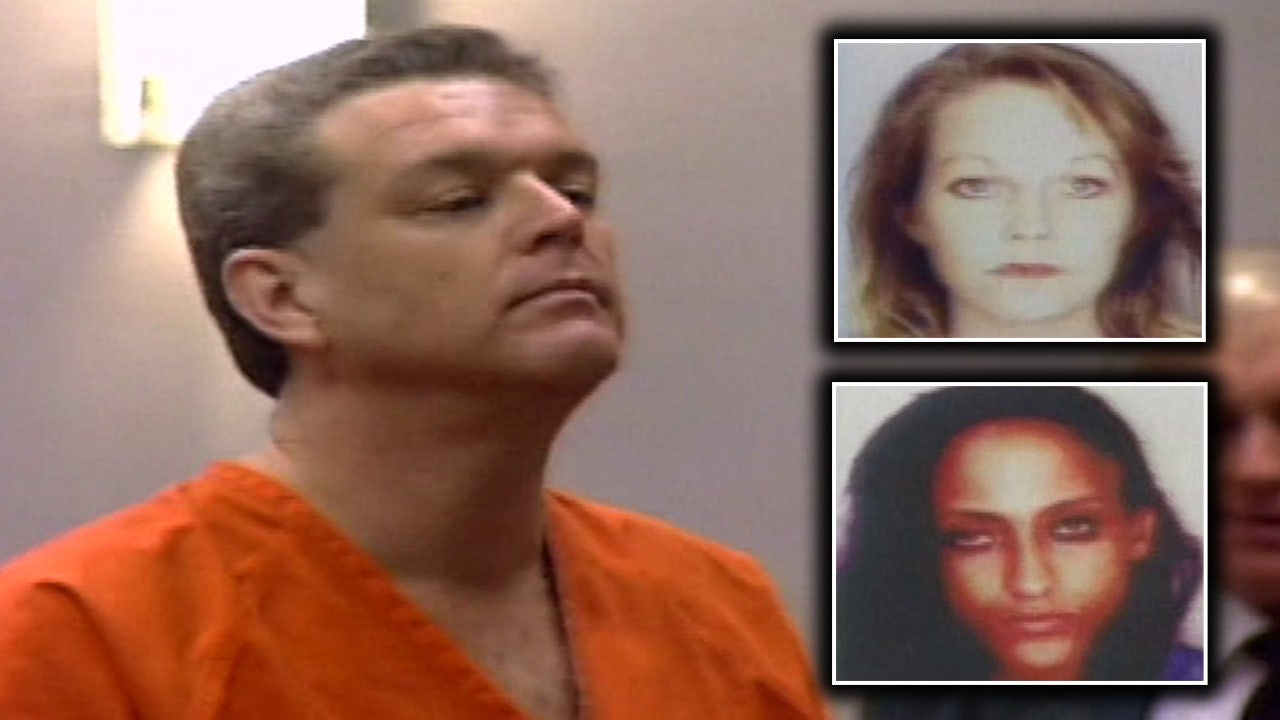
At the center of the investigation was a man whose public image made the case even more unsettling. Smithers was not introduced to the community as a drifter or an obvious predator. He was known through church circles, a former Baptist deacon, someone who carried the appearance of faith and respectability. But behind that image, prosecutors said, was a violent killer who targeted vulnerable women and tried to bury the evidence in silence.
Authorities linked Smithers to the deaths through forensic evidence, witness accounts, and contradictions that began to surface as detectives closed in. The investigation took a major turn after suspicious activity on the property drew attention, leading police to recover the bodies and build a case that would eventually send Smithers to death row. Reports from the case said the victims, Denise Roach and Christy Cowan, were killed in 1996 and found in connection with the same rural pond near Plant City.
In court, prosecutors described the killings as brutal and deliberate. They argued that Smithers lured the women to the property, attacked them, and then attempted to conceal what he had done. The details shocked the region not only because of the violence, but because of the contrast between Smithers’ religious role and the crimes he was accused of committing.
The jury convicted him in 1999, and he was sentenced to death. From that point forward, the case moved into a long cycle of appeals, legal filings, and last-minute challenges. His attorneys continued to fight the sentence, but state and federal courts ultimately allowed the execution to proceed.
When the end came, Smithers did not give a final statement, according to officials cited in reports from the execution. His death marked another major moment in Florida’s modern death penalty record, with the state carrying out a high number of executions in 2025.
But for the families of Denise Roach and Christy Cowan, the execution was not simply the closing of a legal file. It was the final chapter in a case that began with missing women, hidden bodies, and a man whose outward image concealed a terrifying reality.