In a haunting culmination of a decades-long legal saga, Harold Wayne Nichols was executed on December 11, 2025, after spending 35 years on death row in Tennessee. His story, marked by brutal violence and profound remorse, raises questions about justice, redemption, and the complexities of the human spirit
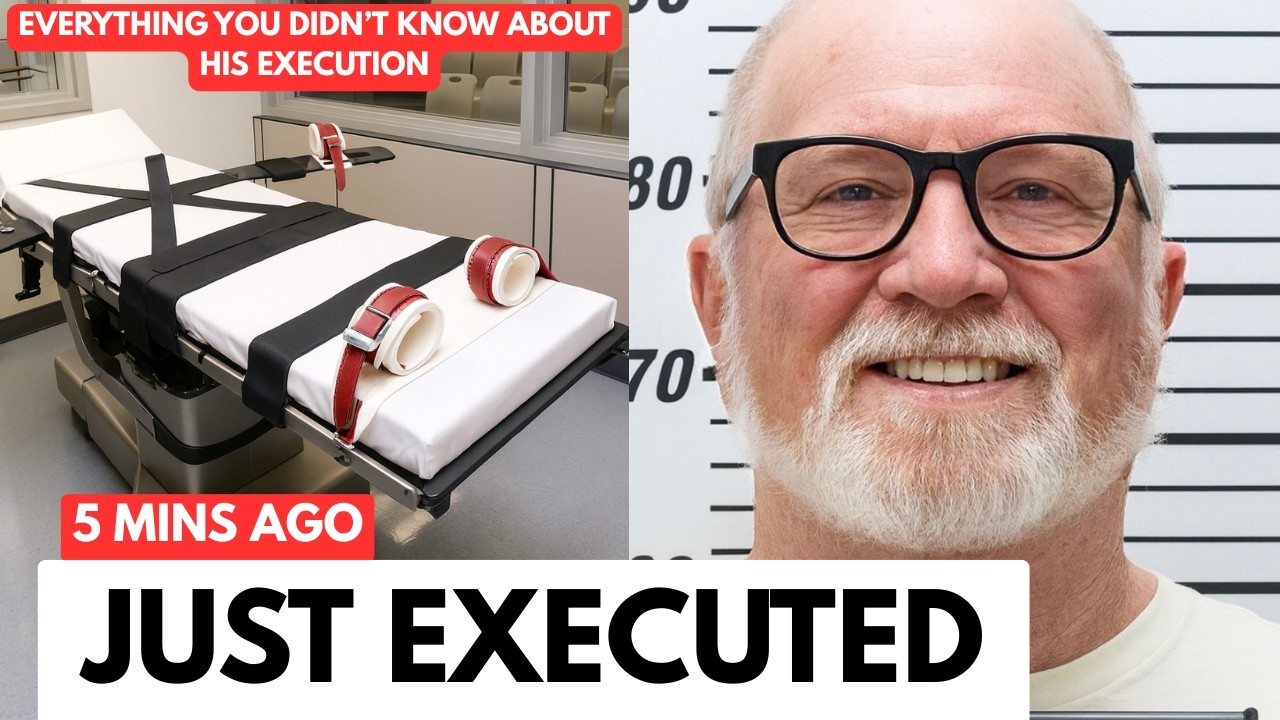 Nichols, now 64, was convicted for the horrific murder of 20-year-old college student Karen Pulley in September 1988. Described as vibrant and selfless, Karen’s life was tragically cut short when Nichols broke into her apartment, committing unspeakable acts of violence. The crime sent shockwaves through the Chattanooga community, leaving a lasting scar on her family and friends
After a thorough investigation, Nichols was arrested in early 1989, quickly confessing to Karen’s murder and a series of other assaults. His chilling pattern of predatory behavior earned him the moniker “the red-headed stranger,” as he stalked and attacked women throughout the area. In May 1990, after a brief trial, Nichols pleaded guilty to first-degree murder and aggravated rape, with the jury ultimately sentencing him to death
 However, Nichols’ journey through the legal system was anything but straightforward. Over the years, he pursued numerous appeals, claiming ineffective counsel and raising questions about his mental health. Despite these efforts, his death sentence was upheld by the Tennessee Supreme Court, and the U.S. Supreme Court declined to hear his case, sealing his fate.
As the years turned into decades, Nichols remained on death row, reportedly undergoing a significant personal transformation. Many noted his deep remorse and commitment to faith, particularly after a poignant encounter with Karen’s mother, who offered him a Bible during his trial. This moment reportedly sparked a change in Nichols, who began to reflect on his past actions.
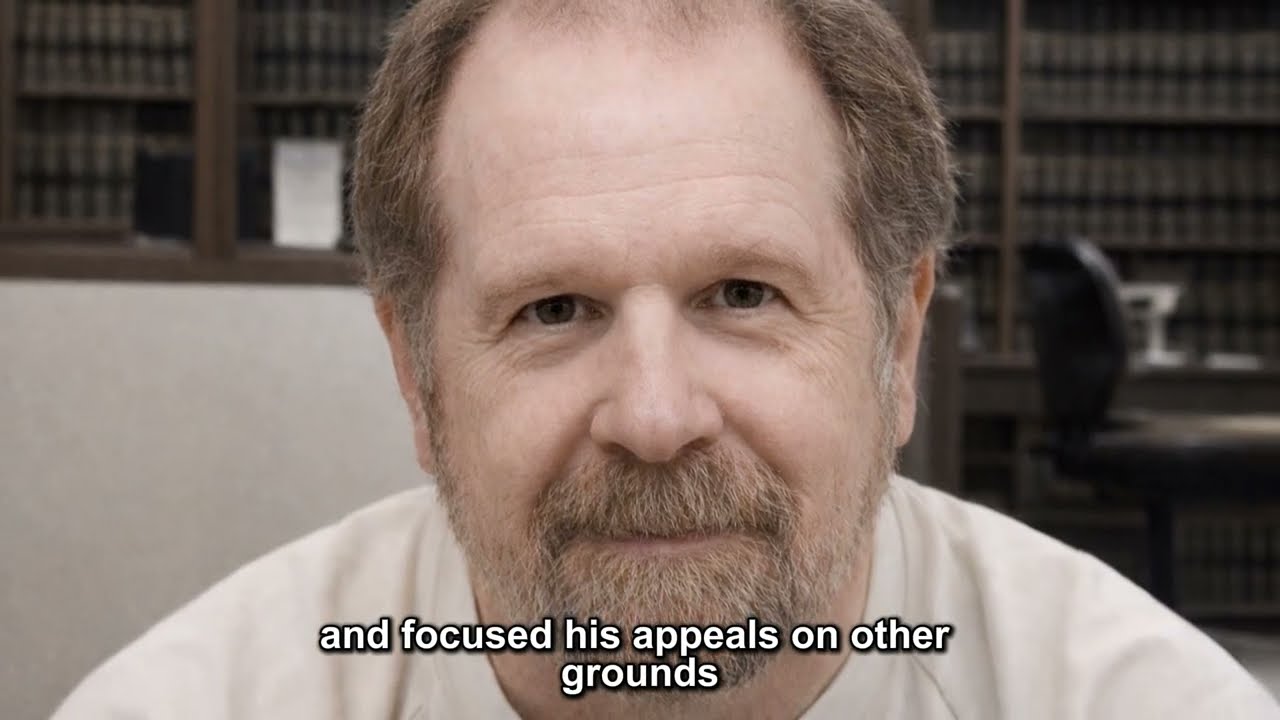
By the 2010s, some voices began advocating for mercy on his behalf. In a surprising turn, even some jurors from his original trial expressed regret over their decision, stating they would have preferred a life sentence had it been an option. Yet, the family of Karen Pulley remained steadfast in their desire for justice, viewing Nichols’ years in prison as a delay rather than a form of redemption.
 As December 11, 2025, approached, Nichols made his final arrangements, requesting a traditional Southern meal for his last supper. On the day of his execution, he reportedly spent his final hours in prayer and reflection. Outside the prison, a mix of anti-death penalty protesters and Karen’s family gathered, each group holding firm to their beliefs about justice and forgiveness.
In the execution chamber, Nichols delivered a brief but poignant final statement, expressing sorrow for those he harmed and love for his family. As the lethal injection was administered, he reportedly recited the 23rd Psalm with his spiritual advisor, a moment that resonated with witnesses.
At 10:39 a.m., after 35 years, six months, and 29 days on death row, Harold Wayne Nichols was pronounced dead. His execution marked a significant moment in Tennessee’s ongoing debate over capital punishment, leaving many to ponder the complexities of justice, remorse, and the human capacity for change. How do we reconcile the past with the possibility of redemption?